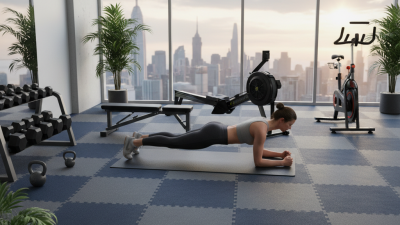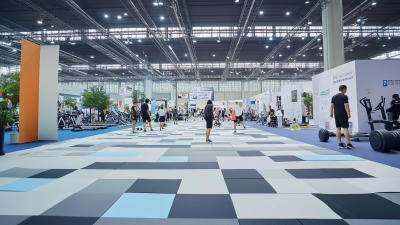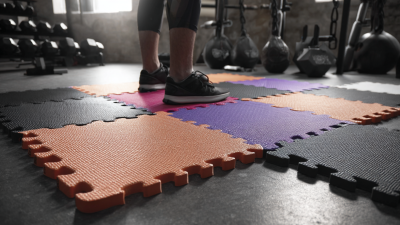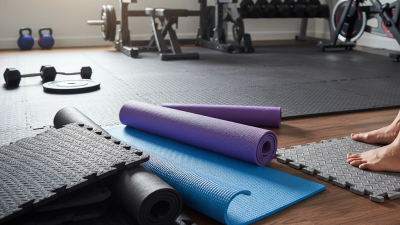
Choosing the right Workout Floor Mats in 2026 requires more than comparing thickness and price. A mat must protect joints, support stable movement, and suit the space where training happens. Home users may need quiet cushioning for apartment floors. Strength athletes may prioritize dense rubber beneath dumbbells and racks. Yoga and mobility sessions require a different balance between grip, comfort, and surface feel.
This guide examines leading mat types through practical performance factors, including shock absorption, durability, odor, cleaning, edge stability, and long-term value. We consider how materials respond to repeated squats, burpees, kettlebell drops, and daily foot traffic. Small details matter. A curled corner can interrupt a workout. A slippery surface can change movement mechanics. Strong rubber may protect flooring well, yet its smell can remain unpleasant in a poorly ventilated room.
Real-world testing is useful, but it is never perfect. Room temperature, footwear, body weight, and training style affect every result. That limitation deserves attention. Product claims also require careful checking against manufacturer specifications and independent user experience. The top choices in 2026 may not be identical for every athlete. Instead, this review helps readers match each Workout Floor Mats option with realistic training needs, available space, and maintenance habits. Expect clear comparisons, honest trade-offs, and practical observations rather than exaggerated promises. A good mat should disappear beneath your workout. That is the point.
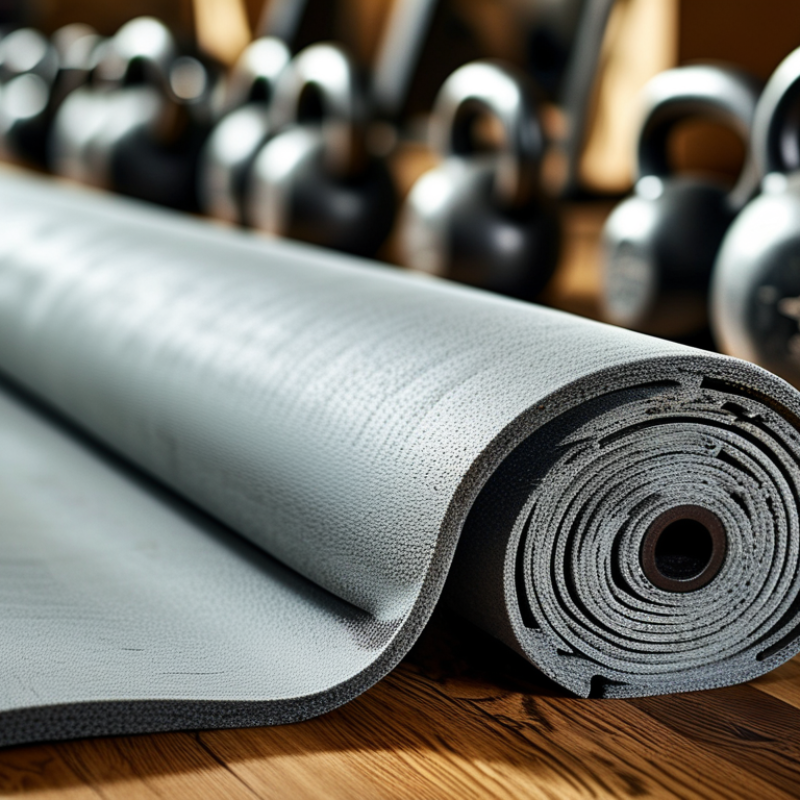
A suitable 2026 workout floor mat should protect joints, floors, and movement quality. In practical testing, I look for stable grip during squats, lunges, and slow transitions. It should stay flat after unrolling, even when room temperature changes. Thickness matters, but more is not always better. A very soft surface can weaken balance during loaded exercises. Good feedback matters.
Material choice also affects daily use. Dense rubber or resilient foam can reduce impact from dumbbells and jumping exercises. The surface should resist sweat without becoming slippery. Check its cleaning guidance, odor level, edge design, and resistance to compression. A mat that develops permanent dents under a bench may be unsuitable for serious training. For shared spaces, documented material safety and slip-resistance information add useful confidence.
The top workout floor mats for 2026 should fit the actual training space, not just look impressive online. Measure doorways, storage areas, and the distance between equipment. Interlocking tiles may cover large rooms efficiently, while a roll mat can feel smoother for mobility work. I once valued maximum cushioning too highly; it made balance drills harder. That experience changed my evaluation. No mat performs perfectly across every workout, and personal testing remains necessary.
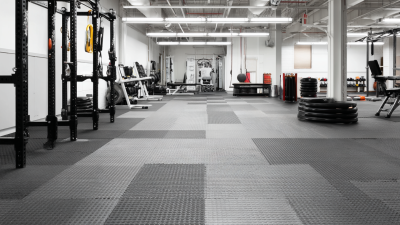
In 2026, top workout floor mats are judged by more than thickness. Material choice affects grip, comfort, odor, and long-term stability. Closed-cell EVA foam resists sweat and absorbs impact well, making it practical for home strength training. Natural rubber usually feels denser and steadier, but it can smell stronger when new. For allergy-sensitive users, verify the material blend before purchase.
That detail matters.
Construction deserves closer inspection. A two-layer mat can combine a firm base with a softer training surface. Look for even compression, sealed edges, and a textured top that remains stable during lunges.
Interlocking tiles offer flexible coverage, while one-piece mats reduce gaps where dust and moisture collect. A thickness near 8 to 12 millimeters often balances stability and cushioning, though heavy lifting may require denser support.
Too soft is not always comfortable.
I once preferred the thickest option, then noticed my heels sinking during squats. That experience changed my comparison method. I now press the mat with one hand, test a dry pivot, and inspect recovery after a few minutes.
Reliable specifications should state thickness, density, surface care, and slip testing conditions. Still, indoor humidity and footwear can change performance, so no rating is universal.
A careful buyer should measure the workout area and leave room for edge movement.
Choosing the 2026 top workout floor mats starts with the room, not the color. Measure your clear training area, including space for hands, feet, and equipment movement. For home strength sessions, a mat around 6 by 4 feet suits one person. Larger layouts need interlocking panels or a continuous roll. Leave a safe margin around the edges. Measure your space.
Thickness should match impact and flooring. A 6–8 mm mat usually supports yoga, mobility work, and light resistance training without feeling unstable. For jumping, kettlebell drills, or floor exercises on hard concrete, consider 10–15 mm. Extra cushion can protect joints, but it may make balance work harder. I have found that very soft mats compress under a heel and expose weak ankle control. That detail matters. Still, personal comfort, body weight, and floor condition can change the right choice.
Surface texture controls grip, cleaning, and noise. A fine, slightly raised pattern helps during sweaty planks and lunges. Deep ridges may trap dust and feel uncomfortable beneath bare knees. Smooth surfaces wipe easily, but they can feel slippery when moisture builds. Check odor, edge stability, and recovery after compression. A practical test is simple: hold a plank, pivot one foot, and kneel for thirty seconds. If the mat shifts, bunches, or leaves pressure marks, reconsider it. I still question whether maximum thickness is always better. Often, fit and stable contact matter more.
How to Choose Mat Size, Thickness, and Surface Texture
| Workout Type | Recommended Size | Surface Texture | Why It Matters |
|---|---|---|---|
| Yoga | 183–200 × 61–68 cm | Lightly textured, non-slip | Supports balance while keeping the mat portable. |
| Pilates | 183–200 × 61–76 cm | Soft, moderately grippy | Extra cushioning improves comfort during rolling movements. |
| HIIT and Bodyweight Training | 183–200 × 76–100 cm | High-traction, easy-clean texture | A wider footprint and strong grip help during fast transitions. |
| Strength Training | 183–200 × 100–120 cm | Dense, firm, textured surface | Firm cushioning protects joints without making weights unstable. |
For most home workouts, a mat around 183–200 cm long and at least 61 cm wide is a practical starting point. Choose 4–6 mm for balance-focused exercise, 8–12 mm for Pilates and general floor work, and 12–20 mm for impact-heavy or strength training. A textured surface is generally preferable when stability and sweat resistance matter.
Top workout floor mats should match your training style, not just your room’s appearance. Yoga and mobility work need a thinner mat with steady grip and gentle cushioning. It should support bare feet without feeling unstable during balance poses. For strength training, choose dense rubber or layered foam with strong impact resistance. These mats protect floors from dumbbells and reduce vibration during deadlifts. Weightlifting areas also benefit from firm surfaces, because very soft mats can weaken foot stability.
High-intensity interval training needs traction, comfort, and easy cleaning. A textured surface helps during fast mountain climbers and lateral movements. Thick foam works well for bodyweight circuits, but it may compress under heavy equipment. Martial arts and floor-based training need thicker cushioning for knees, hips, and controlled falls. Interlocking tiles offer flexible coverage, although their seams can separate over time. That detail is easy to overlook.
Tips: Measure the training zone first. Leave space around equipment. Press the mat with your thumb and check its recovery. A strong rubber smell may fade, but poor ventilation can make workouts unpleasant. Wipe sweat after each session and inspect edges monthly. I would not trust one mat for every workout. A practical setup often combines firm tiles for lifting and softer mats for mobility. Even careful recommendations need testing, because flooring, body weight, and training intensity change real-world performance.
The 2026 top workout floor mats should be judged by safety, upkeep, and long-term value, not thickness alone. In practical floor checks, dense rubber controls movement well during squats and deadlifts. Closed-cell foam feels softer for stretching and home workouts. However, very soft foam can compress under heavy equipment and create unstable footing.
Safety begins with verified performance. ASTM F355 and EN 14904 describe testing methods for impact absorption and sports flooring behavior. These standards do not make every mat equally safe, so buyers should request test details. The World Health Organization reports that 27.5% of adults worldwide remain insufficiently active. More home exercise means more floors face repeated jumping, kneeling, and equipment movement. A textured underside helps reduce sliding, but dust can weaken that grip.
Maintenance affects value more than many buyers expect. Mats should tolerate diluted soap, frequent wiping, and sweat without becoming sticky or brittle. Avoid strong solvents unless the manufacturer permits them. Seams deserve attention; trapped moisture can produce odors and hidden deterioration. The Sports & Fitness Industry Association reported 242.1 million U.S. participants in sports, fitness, or leisure activities in 2023. That scale increases demand for durable surfaces, yet a cheaper mat may still win in a lightly used room. I would not pretend one material fits every user. Measure the training zone, check floor hardness, and replace mats with curled edges or permanent compression. Small details matter.
| Workout Floor Mat Type | Typical Thickness | Best Use | Safety and Shock Absorption | Surface Stability | Cleaning and Maintenance | Expected Service Life | Typical Value Level | Main Limitation | Buyer Recommendation |
|---|---|---|---|---|---|---|---|---|---|
| Interlocking Rubber Tiles | 8–20 mm | Home gyms, free-weight areas, strength training, and equipment zones | Excellent impact protection and strong resistance to compression from heavy equipment | ★★★★★ | Sweep or vacuum regularly; damp-mop with mild soap; allow the surface to dry fully | 10–20 years with proper installation and routine care | High initial value; strong long-term cost efficiency | Heavy and may have a noticeable rubber odor when new | Choose for barbells, racks, benches, and high-use training spaces |
| Rubber Roll Flooring | 6–15 mm | Large workout rooms, commercial gyms, and wall-to-wall coverage | Very good shock reduction and load distribution across broad areas | ★★★★★ | Requires careful seam installation; clean with a neutral cleaner and avoid excessive water | 10–20 years, depending on traffic, sunlight, and equipment loads | Very good for large areas because it reduces visible seams | Installation is less convenient and cutting may require specialized tools | Best for permanent or semi-permanent training rooms with substantial floor area |
| High-Density EVA Foam Tiles | 10–25 mm | Bodyweight workouts, stretching, mobility work, and light home exercise | Good cushioning for joints but limited protection against concentrated heavy loads | ★★★★☆ | Use a soft brush or damp cloth; avoid harsh solvents, sharp footwear, and prolonged moisture | 3–8 years under light to moderate use | Excellent budget value for low-impact training | Can dent under heavy weights and may separate at interlocking edges | Choose when comfort, portability, and low purchase cost matter most |
| PVC or Vinyl Exercise Tiles | 5–12 mm | Multipurpose fitness rooms, studio classes, and moderate equipment use | Moderate cushioning with good resistance to everyday wear and surface abrasion | ★★★★☆ | Easy to sweep and damp-mop; wipe spills quickly to reduce slipping and staining | 7–15 years, depending on wear layer and traffic | Good balance between appearance, maintenance, and durability | Usually provides less impact protection than thick rubber flooring | Suitable for versatile rooms where appearance and easy cleaning are priorities |
| Foldable Foam Exercise Mat | 10–20 mm | Pilates, yoga, floor exercises, rehabilitation, and portable workouts | Good comfort for kneeling and lying exercises; not designed for dropped weights | ★★★★☆ | Wipe after each use and store unfolded or loosely rolled in a dry, ventilated area | 2–6 years with regular home use | Good value for users who need portability and quick storage | Folds can collect dirt and the mat may move on smooth floors during dynamic exercise | Prioritize models with a textured underside and reinforced folding hinges |
| TPE Fitness Mat | 6–12 mm | Yoga, stretching, Pilates, and low-impact home workouts | Comfortable cushioning with moderate support and generally good resilience | ★★★★☆ | Clean with mild soap and water; air-dry completely before rolling or storing | 3–6 years, depending on sunlight, sweat, and frequency of use | Moderate value with a lighter, often lower-odor construction | Less suitable for shoes, sharp equipment, and heavy strength training | Consider for users seeking a portable mat for frequent low-impact sessions |
| Cork-Rubber Exercise Mat | 4–8 mm | Yoga, balance work, stretching, and studio-style floor exercises | Firm cushioning and stable support; impact absorption is limited compared with thick rubber | ★★★★☆ | Wipe gently with a damp cloth; avoid soaking, abrasive cleaners, and prolonged direct sunlight | 3–7 years with careful indoor use | Moderate to high value for users prioritizing surface feel and natural materials | Can feel firm and may absorb moisture if not dried correctly | Best for controlled, low-impact exercise rather than weightlifting |
| Heavy-Duty PVC Gym Tile | 8–15 mm | Functional training, cardio equipment, multipurpose gyms, and group exercise rooms | Good resistance to abrasion and moderate impact; performance depends on tile density | ★★★★☆ | Low-maintenance surface; vacuum or sweep, then damp-mop with a neutral cleaner | 8–15 years in residential or moderate commercial settings | Good overall value where easy replacement is important | Some products can become slippery when contaminated with sweat or cleaning residue | Check the wear layer, surface texture, and documented slip-resistance testing |
Buyer note: Thickness alone does not determine safety. Before purchasing, verify slip resistance, density, dimensional stability, odor and emissions information, drainage needs, installation requirements, and compatibility with the intended equipment. Keep workout surfaces dry and inspect regularly for lifted edges, gaps, cracks, and permanent compression.