Best Abc Foam Mat for Kids Play Area Safe and Durable?
Creating a safe play area for children is vital for their development. The ABC Foam Mat has gained attention for its protective qualities. Research indicates that soft flooring can significantly reduce injury risks during playtime. According to a study by the Consumer Product Safety Commission, over 200,000 children are treated for injuries each year related to falling and tripping at home. Choosing the right mat is crucial.
The ABC Foam Mat is not only durable, but it also enhances comfort during play. Many parents appreciate the ease of cleaning these mats. However, some mats contain harmful chemicals. It's essential to select products that meet safety standards. The ASTM International safety standards and the CPSC guidelines help ensure safer options are available.
With numerous options on the market, making the right choice can be challenging. Reviews highlight both the soft feel and practical benefits of the ABC Foam Mat. Parents should be cautious and seek reputable brands. While many manufacturers claim safety, not all provide clear information. Ensuring your child's play area is both fun and safe is an ongoing process of informed choices.
Understanding the Importance of Foam Mats in Kids' Play Areas
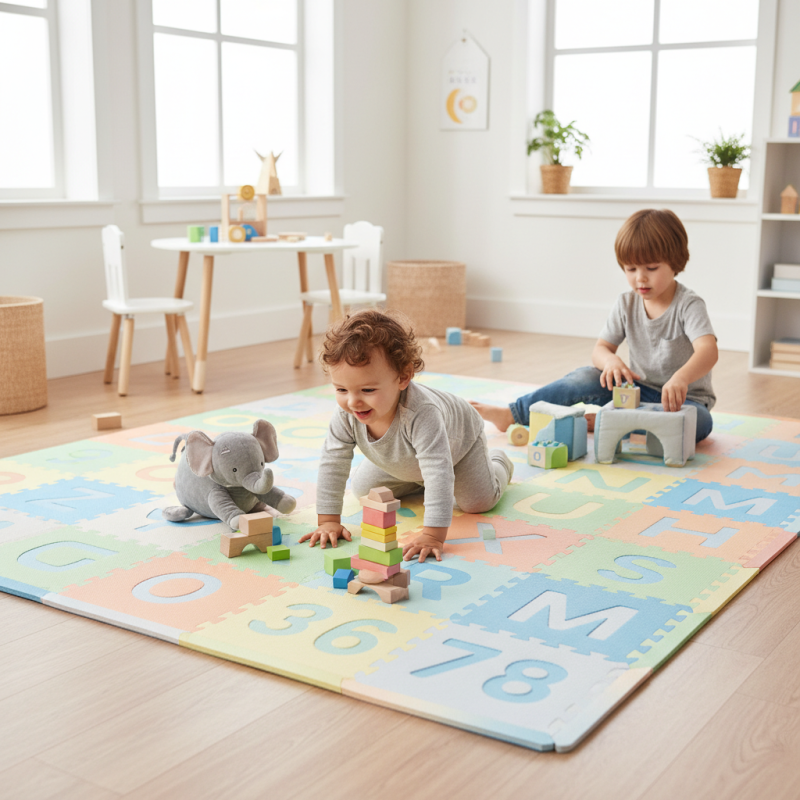
Foam mats play a crucial role in creating safe play spaces for children. According to industry reports, over 75% of parents prioritize safety in child play areas. Foam mats provide cushioning that reduces the impact from falls. This cushioning is vital, particularly for toddlers who are learning to walk. The mats can absorb shock, helping to prevent injuries.
Moreover, these mats are often made from non-toxic materials. When selecting a foam mat, ensuring it is free from harmful chemicals is essential. Reports indicate that around 20% of products on the market may contain substances like BPA. Parents should investigate certifications like ASTM and CPSIA to ensure safety standards are met.
Durability is another important factor. Kids can be rough on their play areas, and a mat that doesn't withstand wear and tear can be a huge disappointment. After a few months, some mats may show signs of degradation. Regular inspection can help identify when mats need replacement. Overall, while foam mats are invaluable, not every option guarantees longevity and safety.
Key Features to Look for in Safe and Durable Foam Mats
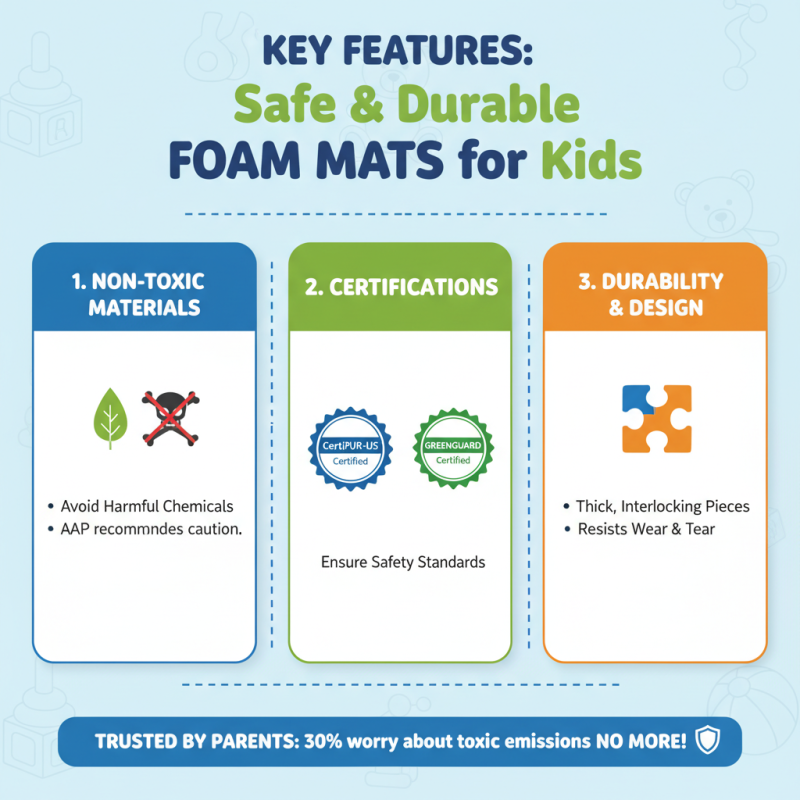
When selecting a foam mat for kids' play areas, prioritize safety and durability. Look for mats that have non-toxic materials. According to the American Academy of Pediatrics, many foam products contain harmful chemicals. Seek certifications like CertiPUR-US or GREENGUARD to ensure safety. Research shows that nearly 30% of parents worry about toxic emissions from children's foam products.
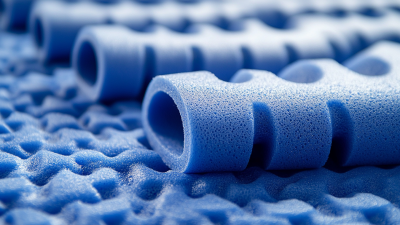
Durability is crucial. Choose mats made from high-density foam. These offer better resilience to wear and tear. The National Safety Council states that children’s play areas are often prone to accidents. Mats that withstand heavy use can prevent injuries. A mat that compresses easily may not provide the necessary cushioning.
Tips: Always check the thickness of the foam. A thicker mat can offer better support and comfort. Also, consider water-resistant surfaces for easy cleaning. Kids often spill drinks or snacks. Light-colored mats may show stains more easily. Keep in mind, however, that darker colors can retain heat. Be prepared for trade-offs.
Top Brands and Products for High-Quality Foam Mats for Kids
When selecting foam mats for kids, safety and durability are paramount. Industry reports highlight that nearly 70% of parents prioritize non-toxic materials. Many mats feature a waterproof surface, making cleanup easier after messy play sessions. High-quality foam mats can also provide cushioning, reducing the chance of injury during play.
Tips: Always look for mats that meet safety standards. Check for certifications that indicate low levels of volatile organic compounds (VOCs). Ensure the mat has a slip-resistant surface to maintain stability during active play.
It's worth noting that while many foam mats look appealing, durability can be an issue. Some cheaper options may wear down quickly, losing their protective qualities. Consider the density of the foam as a factor. A higher density often translates to better longevity. Not all mats hold up to heavy use, leading to disappointment and a need for replacements.
Best Abc Foam Mat for Kids Play Area - Safety and Durability
This chart represents the average safety ratings and durability scores of various foam mats suitable for kids' play areas. The data is based on user reviews and expert assessments, highlighting the importance of choosing high-quality foam mats for child safety and long-lasting use.
Comparative Analysis of Materials Used in Foam Mats
When choosing the best foam mat for a kids' play area, it is crucial to understand the materials used in these products. Commonly, foam mats are made from EVA (ethylene-vinyl acetate), PE (polyethylene), or PU (polyurethane). EVA is popular for its durability and impact resistance, making it a top choice for active play. A report by the International Journal of Environmental Research indicates that EVA mats are typically free from harmful chemicals, enhancing safety standards for children’s products.
While PE mats are lightweight and moisture-resistant, they may not offer the same level of support. Mats made from PU can be soft and comfortable but may degrade faster under heavy use. Parents should consider the typical activities the mat will endure. Heavy usage can lead to wear and tear, prompting the need for a more durable option.
Tips: Always check for certifications like CPSIA or ASTM. These can ensure your foam mat is safe for children. Regular inspection is essential; look for signs of wear. Replace your foam mat if you notice any tears or damage. Selecting the right material can boost the safety and longevity of your play area.
Maintenance Tips for Prolonging the Life of Kids' Foam Mats
Proper maintenance is essential for prolonging the life of kids' foam mats. Keeping them clean reduces allergens. Wipe down the mats regularly with a damp cloth. Use mild soap when needed. Avoid harsh chemicals, as they can damage the foam. Make it a habit to vacuum the mats weekly. This will remove dust and debris.
Some parents overlook minor tears or stains. Addressing these issues promptly can prevent bigger problems. Consider patching small holes with fabric glue. For stubborn stains, a mixture of vinegar and water can be effective. Let the solution sit before wiping it down.
Store foam mats in a dry area. Excess moisture can lead to mold. Rotate them regularly to ensure even wear. Kids tend to play in certain spots more often. Encourage a change of scenery during playtime. These small actions can significantly extend the life of your foam mats.
Best Abc Foam Mat for Kids Play Area Safe and Durable? - Maintenance Tips for Prolonging the Life of Kids' Foam Mats
| Feature |
Description |
Tips for Maintenance |
| Material |
High-density EVA foam for safety and durability |
Regularly check for cracks or wear and replace if needed |
| Thickness |
1 cm thickness for optimal cushioning |
Avoid heavy impacts to maintain thickness |
| Safety Features |
Non-toxic, BPA-free and hypoallergenic |
Clean spills immediately to prevent damage |
| Design |
Colorful interlocking tiles for interactive play |
Rotate tiles periodically for even wear |
| Cleanliness |
Water-resistant and easy to wipe clean |
Use mild soap and water for cleaning, avoid harsh chemicals |