Best Workout Floor Mats for Home Fitness Enthusiasts?
In the world of fitness, choosing the right equipment is crucial. Experts agree that Workout Floor Mats play a central role in home workouts. "A solid mat can make or break your exercise routine," says Dr. Lisa Reynolds, a leading fitness specialist. Her words emphasize the importance of investing in quality mats.
Workout Floor Mats provide safety, comfort, and grip. Without them, workouts can become risky. Slips and falls are real dangers, especially during high-intensity training. A well-chosen mat can help prevent injuries, keeping enthusiasts safe and motivated.
While many may overlook the importance of these mats, they are essential for effective exercise. Many people rush into workouts without considering their flooring. This oversight can lead to regrets later on. The right mat enhances performance and encourages consistency. Fitness is not just about the workout; it’s about creating the right environment for success.
Types of Workout Floor Mats for Home Use
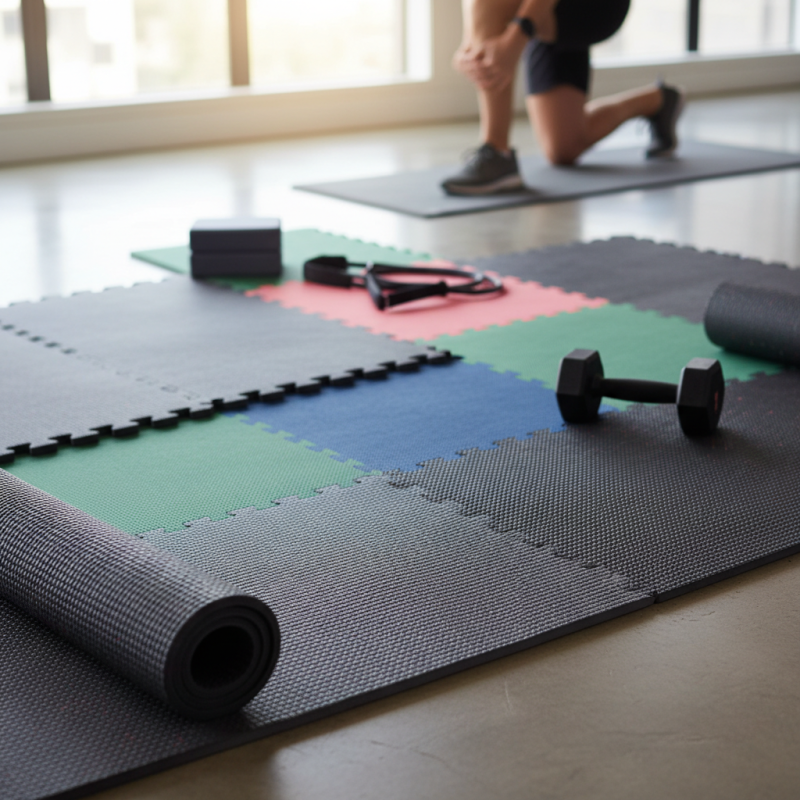
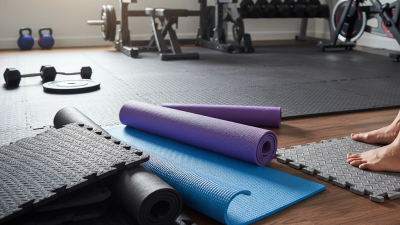
When setting up a home gym, choosing the right workout floor mat is crucial. These mats come in various types, each serving a different purpose. Fitness enthusiasts often rely on foam mats for their cushioning and support. They are ideal for bodyweight exercises, yoga, and Pilates. Their soft texture makes them perfect for floor workouts.
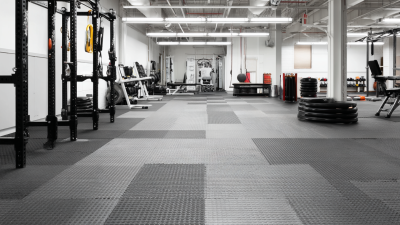
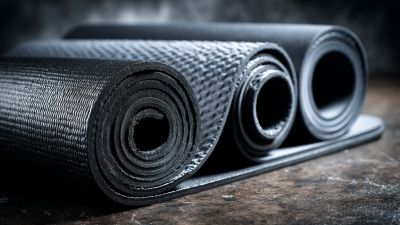
Rubber mats are another popular choice. They provide excellent durability and traction, which is important for heavy lifting or high-intensity training. These mats help prevent slipping while protecting the floor from heavy equipment. However, they can be heavier and more challenging to move around compared to foam mats.
Tip: Always consider the size and thickness of the mats. A thicker mat can offer more cushioning but may reduce stability during balancing exercises. Also, ensure the mat is easy to clean. Regular maintenance can prolong its lifespan.
Some people opt for interlocking tiles for versatility. These tiles can fit any space and are easy to install. However, they may not provide enough cushioning for some high-impact workouts. Evaluate your needs to select the best option for your fitness journey.
Best Workout Floor Mats for Home Fitness Enthusiasts
| Type of Mat |
Material |
Thickness |
Best For |
Price Range |
| Foam Mat |
EVA Foam |
0.5 - 1 inch |
Yoga, Floor Exercises |
$20 - $50 |
| Rubber Mat |
Natural Rubber |
1/4 - 1/2 inch |
Weightlifting, HIIT |
$60 - $150 |
| PVC Mat |
Polyvinyl Chloride |
1/8 - 1/4 inch |
Yoga, Pilates |
$30 - $70 |
| Tatami Mat |
Rice Straw |
1 - 2 inches |
Martial Arts, Yoga |
$40 - $100 |
| Interlocking Mat |
Foam |
3/8 - 1 inch |
Home Gyms, Play Areas |
$25 - $80 |
Benefits of Using Workout Floor Mats at Home
Workout floor mats offer various benefits to home fitness enthusiasts. They provide a stable surface, improving your balance during exercise. A good mat absorbs shock, protecting your joints and reducing the risk of injury. This is particularly important for high-impact workouts like jumping or running in place. Additionally, mats define your workout area, creating a dedicated space that mentally prepares you for exercise.
When selecting a mat, consider thickness and material. Thicker mats offer more cushioning, while thinner options provide better stability. Ensure the material is non-slip to maintain safety during workouts. Also, think about ease of cleaning; a mat that is easy to wipe down will stay hygienic.
Tip: Regularly inspect your mat for wear and tear. Over time, some mats can become less effective at providing support. If you notice any signs of wear, it may be time to invest in a new one.
Creating a designated workout area can also enhance focus. Clear your space of distractions. This small change can significantly improve your workout quality. It's all about finding what boosts your motivation and dedication.
Maintenance Tips for Keeping Floor Mats in Good Condition
Maintaining workout floor mats is essential for any home fitness enthusiast. These mats undergo heavy use during workouts, and proper care can extend their lifespan. Regularly clean your mat using mild soap and water. Avoid harsh chemicals that can degrade the material over time. It's crucial to dry them completely to prevent mold growth.
Consider using a vacuum to remove dirt and debris after intense sessions. Even small particles can wear down the mat. Additionally, inspect your mats periodically for tears or wear. Addressing issues early can save costs on replacements. Remember, a clean mat not only looks good but also provides a safer workout surface.
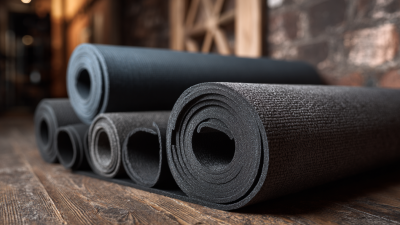
When storing mats, roll them up instead of folding. This method helps keep their shape intact. Don't leave them in direct sunlight or damp areas, as this can lead to premature wear. Think about rotating mats if you use multiple types. This practice shares the wear and keeps all mats fresh. Take time to reflect on your maintenance routines; small adjustments can lead to significant improvements.
Top Brands and Products for Home Gym Floor Mats
Choosing the right floor mat for a home gym is essential for safety and performance. It can significantly impact your workout quality. Studies suggest that proper flooring reduces injury risk by 25%. This is why a decent mat matters. Not all mats are created equal.
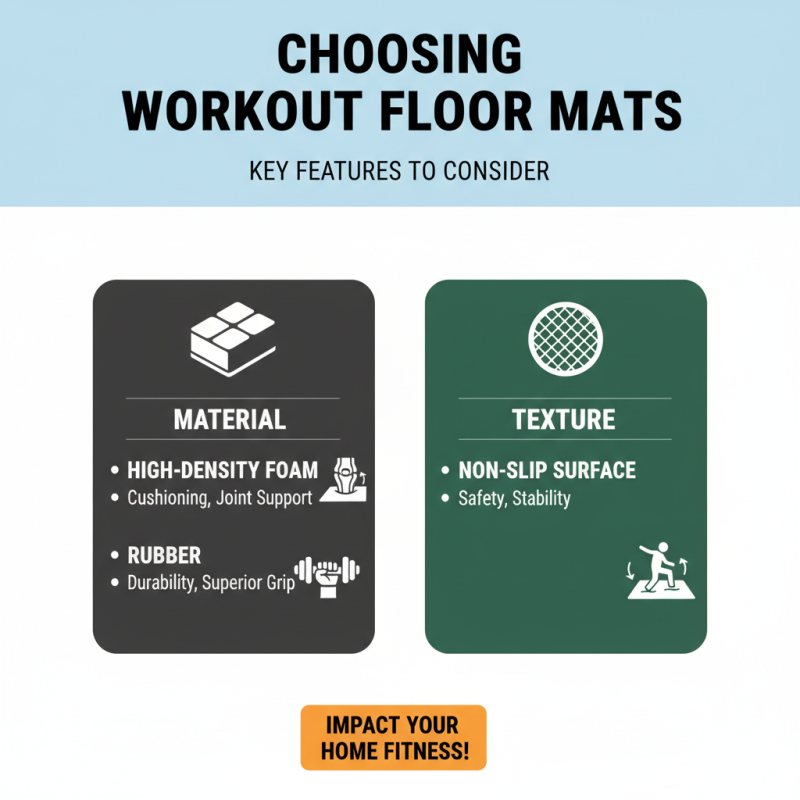
High-density foam mats absorb impact effectively. They provide cushioning during weightlifting or intense cardio. Rubber mats offer durability and grip, making them popular for various exercises. According to industry reports, mats can also enhance equipment longevity, saving money in the long run. Additionally, some mats offer water-resistant features, which is important in a high-sweat environment.
Many enthusiasts overlook the importance of surface texture. A slippery mat can lead to accidents. It is essential to regularly check for wear and tear. Some mats might peel or curl after months of use. User reviews often highlight these issues. Consider buying a mat that balances comfort, durability, and maintenance to ensure your home gym's effectiveness.
Best Workout Floor Mats for Home Fitness Enthusiasts
This chart illustrates the popularity of different types of workout floor mats among home fitness enthusiasts. The data represents the average user ratings based on durability, comfort, and price. Each mat type is rated on a scale from 1 to 5, providing insights into which mats are most favored for home gym setups.