How to Choose the Best Workout Floor Mats for Your Home Gym?
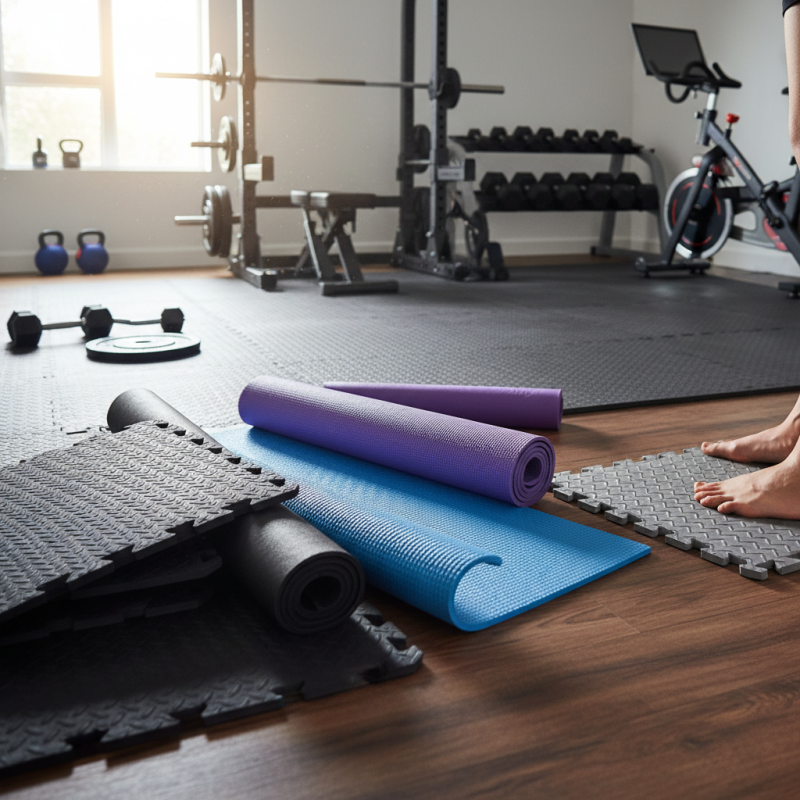
Setting up a home gym can be exciting. One crucial aspect often gets overlooked: the workout floor mats. The right mats can make a significant difference. They enhance your workout experience. They also provide safety and comfort.
When selecting workout floor mats, consider various factors. Think about the type of exercises you'll do. Different materials offer unique benefits. Some mats are perfect for yoga. Others work well for weightlifting. Reflect on your personal needs. Choosing the wrong mats can lead to discomfort.
Thickness, durability, and texture matter too. A thicker mat may help with joint support. However, it might be harder to balance on. Explore your options carefully. Compare styles and prices. It’s easy to get overwhelmed. Remember, picking the best workout floor mats is part of creating your ideal space.
Types of Workout Floor Mats Suitable for Home Gyms
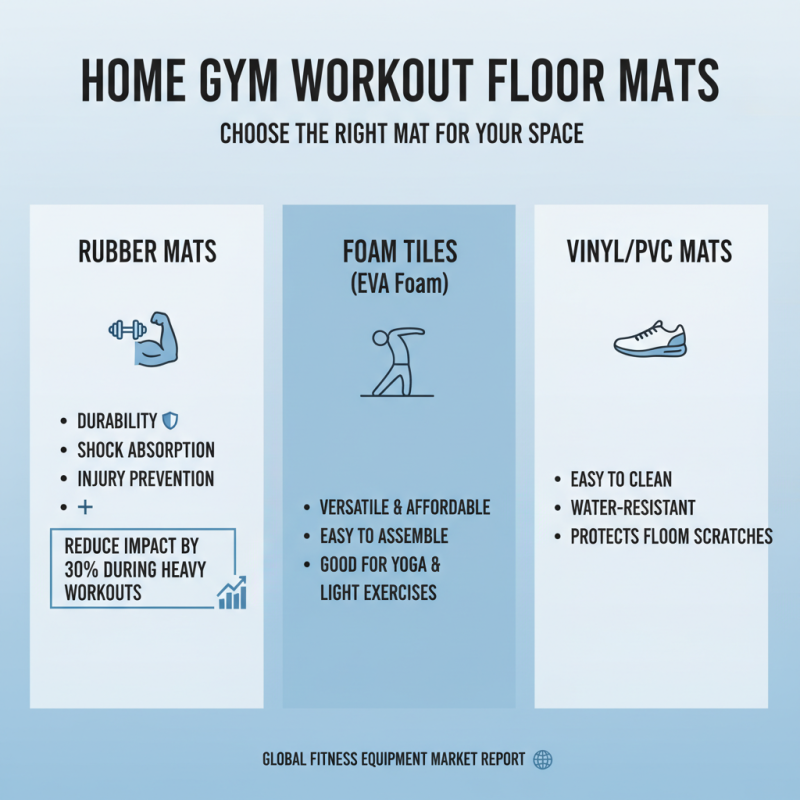
When setting up a home gym, choosing the right workout floor mats is crucial. There are various types of mats that cater to different exercises and preferences. Rubber mats are popular due to their durability. They provide excellent shock absorption and help prevent injuries. A report by the Global Fitness Equipment Market indicates that rubber mats reduce impact by 30% during heavy workouts.
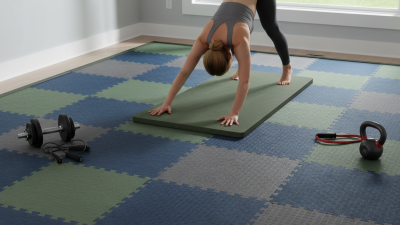
Foam mats are another excellent option. They offer cushioning and are ideal for yoga or stretching. They are lightweight and easy to store. According to research, foam mats increase user comfort by over 25%. Interlocking foam tiles are particularly versatile. They can be customized to fit your gym space.
Tip: Measure your space before buying. This ensures you select mats that fit perfectly.
Vinyl mats are often overlooked. They are easy to clean and resistant to moisture. This makes them a great choice for high-intensity workouts. However, they can be slippery. Users may find themselves adjusting their footing frequently.
Tip: Read reviews about slip resistance. It can make a significant difference during workouts.
Choosing the best workout floor mats requires attention to detail. Consider your workout routine, space, and material preferences. Each type of mat has its pros and cons. Think about what suits your needs the best.
Key Features to Consider When Choosing Workout Mats
When selecting workout floor mats for your home gym, consider various key features. One essential aspect is the material. Some mats are made from rubber, while others use foam or vinyl. Each material has unique qualities, affecting durability and grip. Rubber mats typically offer better traction, which can enhance safety during workouts.
Another important factor is thickness. Thicker mats provide extra cushioning for high-impact exercises like jumping or weightlifting. However, they may also make balancing poses more challenging. You must weigh comfort against stability based on your workout routine. Additionally, consider the surface texture. A textured surface can help prevent slipping, but it might also be harder to clean.
Size matters too. Make sure the mat fits your exercise area. It's easy to underestimate space requirements. Large mats cover more ground but can feel overwhelming in small spaces. Think about how you plan to use the mat. Some activities need more space than others. Remember to test different options before committing. Choosing a mat is not just about features; it's about finding what works for you.
Sizing and Layout: How to Measure Your Home Gym Space
When setting up a home gym, measuring your space accurately is essential. Many underestimate the size they need. According to a recent report, 60% of home gym owners regretted their initial layout decisions. They often found themselves cramped or lacking space for equipment.
Start by measuring the length and width of your available area. Factor in the height, too. Some workout equipment requires vertical space. It’s easy to overlook this detail. Remember to account for doorways and pathways. Leaving room for movement is crucial. Ideally, you should have at least three feet of clearance around your equipment.
Consider your workout routine while planning the layout. If you enjoy yoga or stretching, a larger mat area may be necessary. A report noted that proper spacing can enhance workout performance by up to 25%. Try creating zones for different activities. Visualizing your gym can help. What feels right now may not in a few months. Review your needs regularly.
Material Options: Foam, Rubber, and More for Exercise Mats
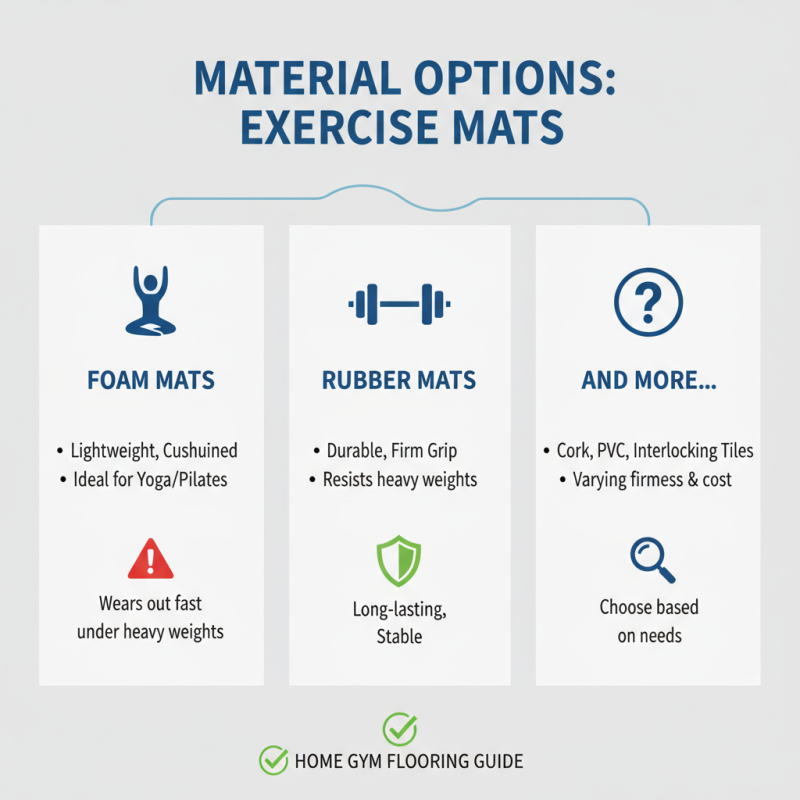
When selecting workout floor mats for your home gym, material plays a crucial role. Foam, rubber, and other options each offer distinct benefits. According to industry research, foam mats are popular for their lightweight and cushioned feel. They are ideal for exercises like yoga and Pilates. However, foam can wear out quickly, especially under heavy weights. This might require frequent replacements, which could be a hassle.
On the other hand, rubber mats are gaining traction for their durability. Reports indicate that rubber can withstand immense pressure and impact. They are perfect for high-intensity workouts and heavy lifting. With proper care, they can last for years. Yet, rubber tends to be heavier and less portable, which may not suit everyone's needs. Some users find the smell of new rubber off-putting.
Additionally, there are other materials like vinyl and carpet tiles. Vinyl mats are easy to clean but may lack cushioning. Carpet tiles can provide comfort but are prone to staining. Understanding these options helps in making an informed decision, but it also poses challenges. Not all mats fit every workout style. Users often need to balance comfort, durability, and space constraints. This can lead to frustration when setting up a home gym.
Budgeting for Quality: Price Ranges for Home Gym Mats
When budgeting for home gym mats, start by identifying your needs. Consider the types of workouts you’ll perform. High-impact activities require more durable material. Low-impact exercises can utilize softer options. Prices typically range from $20 to over $200. This broad range reflects quality and thickness.
You often get what you pay for. Cheaper mats may wear out quickly or lack grip, leading to safety issues. A middle-priced mat may offer the best balance of comfort and durability. Think about thickness as well; thicker mats can provide better cushioning but may also cost more.
Investing in good mats is essential for your workout environment. Evaluate your budget carefully while thinking about longevity. A low-cost option might save money now, but it could lead to disappointment later. Always weigh the initial expense against the potential need for replacements.
Price Ranges for Home Gym Mats