Why Choose a Foam Play Mat for Your Child's Safety?
In today’s world, child safety is a top priority for parents. The use of a Foam Play Mat can significantly reduce the risk of injuries during playtime. According to the American Academy of Pediatrics, over 200,000 children visit emergency rooms each year due to playground-related injuries. The right play surface is crucial for injury prevention.
Foam Play Mats provide a soft, cushioned landing area that absorbs impact. They can reduce the risk of falls from climbing or tumbling. A study by Safe Kids Worldwide found that padded surfaces can lower injury rates by up to 50%. This statistic highlights the importance of investing in safe play equipment at home.
Choosing a Foam Play Mat also encourages creativity and exploration. Its vibrant designs stimulate children's imaginations. Yet, some parents overlook the significance of proper mat thickness and materials. Not all mats on the market meet safety standards. Investing wisely in a high-quality Foam Play Mat can lead to a safer, happier play experience for children.

Benefits of Foam Play Mats for Child Safety
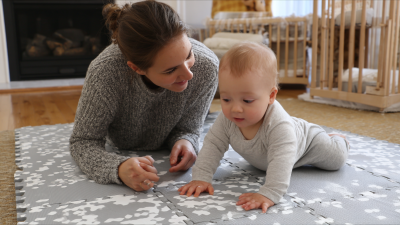
Foam play mats are becoming increasingly popular for children's play areas. These mats provide a safe surface for kids to crawl, roll, and explore. They are soft and cushioned, helping to reduce the risk of injury from falls. Imagine your little one tumbling down during playtime; a foam mat can make all the difference.
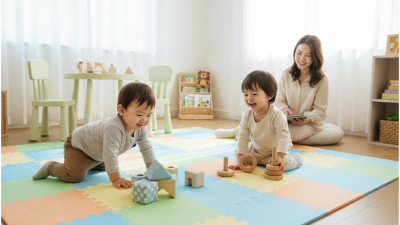
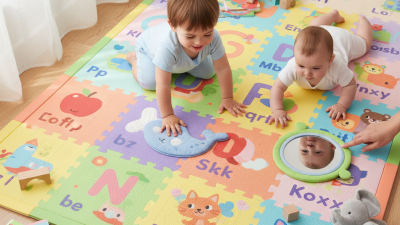
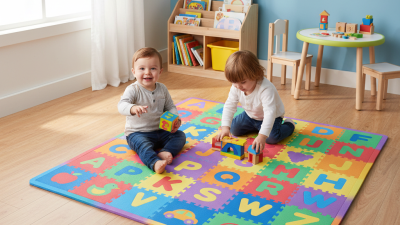
In addition to safety, foam play mats come in various colors and designs. They can stimulate a child's imagination and enhance their play experience. Some mats even have vibrant pictures or textures that engage kids. However, while they seem perfect, some parents find them hard to clean. Food spills and colors may stain the surface, leading to frustration.
Another aspect to consider is the potential for slipperiness. When wet, some mats can become a bit tricky underfoot. Parents must ensure a dry area around play zones. This awareness adds to constant vigilance during play. Despite these imperfections, foam mats remain a practical choice for many families seeking a safer play environment.
Key Features to Look for in Foam Play Mats
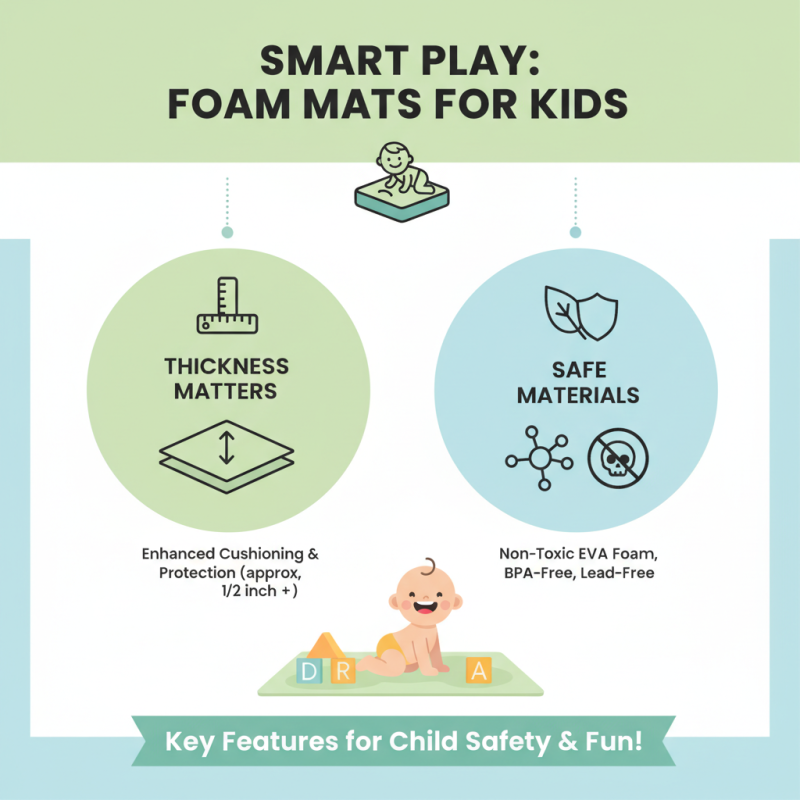
Foam play mats are gaining popularity for children's safety. When choosing one, several key features are essential to consider. Look for thickness and material. A thicker mat often offers better cushioning. It helps protect little ones as they tumble and explore. Soft, non-toxic foam is ideal. Safety should always come first.
Another feature to consider is the mat's texture and design. A textured surface provides grip, preventing slips during play. Bright colors and engaging patterns can stimulate a child's imagination. However, too many designs might overwhelm. Balance is key. Check the size, too; a larger mat provides more space to crawl and play. Just remember, if it’s too bulky, storage can be a challenge.
Finally, maintenance is crucial. Easy-to-clean mats are practical for parents. Spills and messes are common with kids. A mat that can be wiped down in minutes is a blessing. However, make sure the material is durable enough to withstand repeated cleanings. It's a good idea to weigh these factors before making a purchase. These elements can ensure safe and enjoyable play for your child.
Comparing Foam Play Mats with Other Flooring Options
When it comes to choosing flooring for your child's play area, foam play mats stand out. They offer a cushiony surface that’s ideal for active toddlers. Unlike hard tiles or wooden floors, foam mats absorb shock and reduce the risk of injury during falls. This softness provides peace of mind for parents watching their little ones tumble and roll.
Comparing foam mats to other options reveals significant benefits. Hardwood floors, for instance, can be slippery and unforgiving. Accidents can happen easily, and the aftermath can be messy. Carpets, while soft, can harbor allergens and are much harder to clean. Foam mats, on the other hand, are easy to wipe down and can be moved around. However, some parents worry about durability and potential wear. Do they hold up against active play? The answer may depend on how rough your little ones are.
Aesthetic choices are also relevant. Foam mats come in various colors and patterns, making them visually appealing. This customization can brighten a play space. Nevertheless, some mats may clash with home decor. Balancing safety and style can be tricky. Ultimately, choosing the right flooring requires consideration of your family's unique needs.
Why Choose a Foam Play Mat for Your Child's Safety? - Comparing Foam Play Mats with Other Flooring Options
| Flooring Option |
Safety Level |
Softness |
Ease of Cleaning |
Durability |
| Foam Play Mat |
High |
Soft |
Easy |
Moderate |
| Carpet |
Moderate |
Soft |
Challenging |
Low |
| Hardwood |
Low |
Hard |
Easy |
High |
| Vinyl Flooring |
Moderate |
Medium |
Easy |
Moderate |
| Rubber Flooring |
High |
Medium |
Easy |
High |
How Foam Play Mats Promote Healthy Development
Foam play mats provide a safe space for children to explore and learn. They are soft and cushioned, reducing the risk of injury during play. Kids can crawl, roll, and tumble without fear of hard surfaces. This freedom encourages movement, which is essential for developing gross motor skills. Children practice coordination and balance as they navigate their surroundings.
Tips for choosing a foam play mat include checking for non-toxic materials. Make sure the mat is easy to clean. A clean environment helps prevent the spread of germs. Consider mats with different textures. This can stimulate a child’s senses and encourage tactile exploration.
Foam mats also promote imaginative play. Kids can create stories and scenarios on their mats. This type of play fosters creativity and social skills. However, not all children may feel comfortable on these mats initially. It can take time for them to adjust. Be patient and engage with them as they explore their space. Create a playful atmosphere for a more enjoyable experience.
Why Choose a Foam Play Mat for Your Child's Safety?
Foam play mats provide essential benefits such as cushioning, slip resistance, durability, easy maintenance, and safety from harmful substances. These attributes not only enhance the play experience but also contribute significantly to the overall safety and healthy development of children.
Cleaning and Maintenance Tips for Foam Play Mats
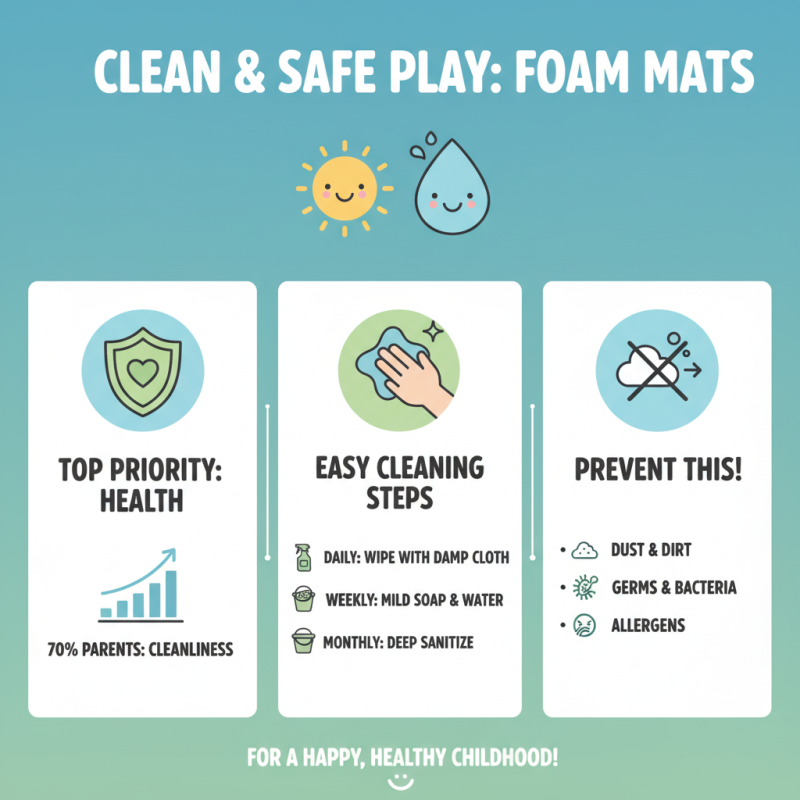
Cleaning and maintaining foam play mats is essential for ensuring a safe play environment for children. According to a recent industry report, 70% of parents find cleanliness to be a top priority when choosing play mats. Regular cleaning prevents the buildup of dust, dirt, and potential allergens that can affect children's health.
To keep foam play mats in top condition, start with a weekly sweep or vacuum. A simple wipe down with a mild soap solution can eliminate germs. Using natural cleaning agents is recommended. They are effective and safe for children. Avoid using harsh chemicals that could be harmful.
Another tip is to ensure mats are completely dry after cleaning. Moisture can lead to mold growth. In fact, research shows that damp conditions increase health risks significantly. Store mats in a well-ventilated area when not in use. If a mat develops stubborn stains, consider spot cleaning rather than fully submerging it. Foam mats may absorb water, leading to permanent damage over time.
Being vigilant in maintaining your child's foam play mat contributes to a healthier play space. While it may seem tedious, consistent care can prevent more significant issues later on.