How to Choose the Best Eva Foam Mats for Your Home Gym?
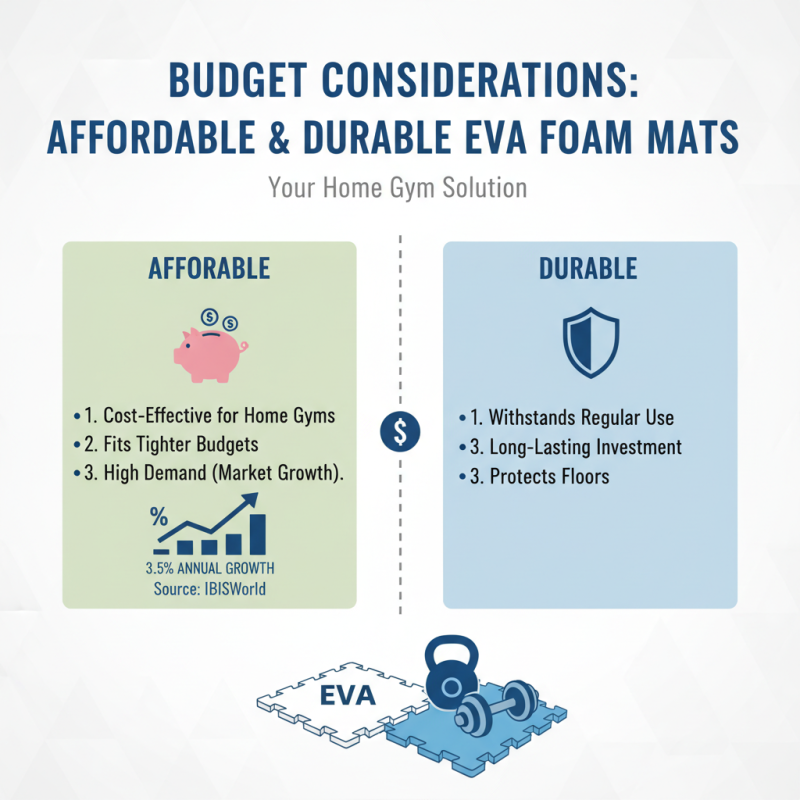
Choosing the right Eva Foam Mats for your home gym can significantly enhance your exercise experience. According to a report by the Global Market Insights, the demand for EVA foam products is projected to grow at a CAGR of 5.8% from 2022 to 2028. This trend highlights the increasing awareness of the benefits of high-quality matting in home workouts.
Experts emphasize the importance of selecting the best materials. John Smith, a leading authority in fitness equipment, states, "The right EVA Foam Mats can transform your workout space." They provide cushioning, stability, and safety. The ideal mat should be thick enough to absorb impact yet not too bulky to hinder movement.
Yet, not all Eva Foam Mats are created equal. Some may wear out quickly or fail to provide adequate support. It's crucial to consider density, texture, and durability. These factors can affect your overall gym experience and safety. Investing time in research can lead to better choices. Aim for mats that fit your specific workout needs while providing comfort and protection.
Factors to Consider When Selecting Eva Foam Mats for Home Gyms
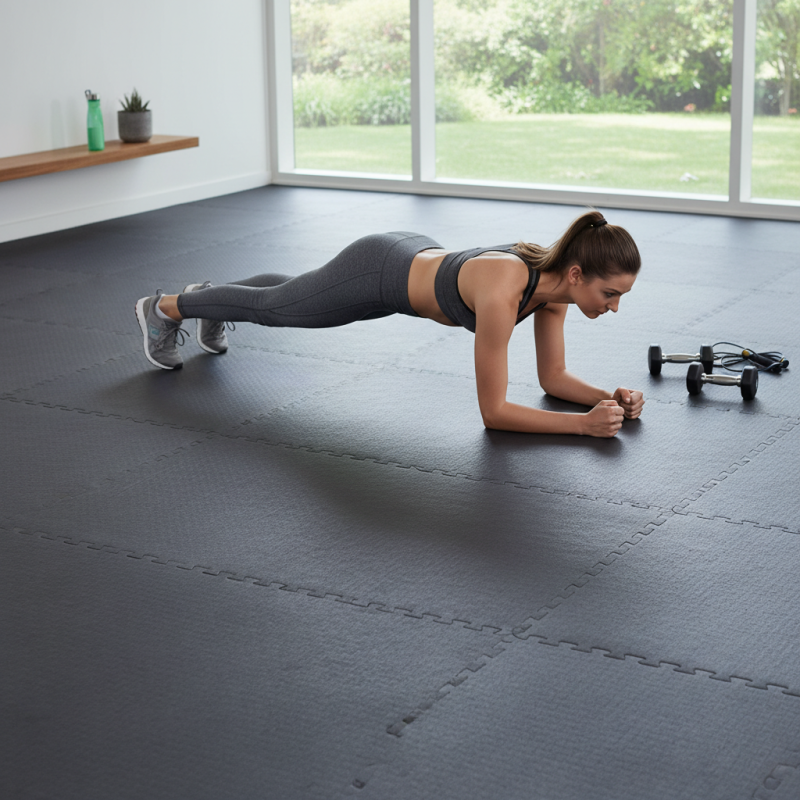
When selecting EVA foam mats for your home gym, it's vital to consider various key factors. Thickness is crucial. Thicker mats provide more cushioning, which is beneficial for high-impact exercises. However, they can also feel less stable during weightlifting. A balance is necessary based on your workout type.
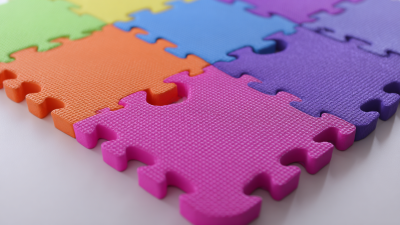
Texture matters as well. Smooth surfaces may seem appealing, but they can be slippery, especially when you sweat. Look for textured options that offer better grip. Additionally, interlocking design allows for easy customization of your workout space. This adaptability lets you reshape your gym as needed, promoting creativity in your training.
Durability should not be overlooked. EVA foam is relatively tough, but not all mats have the same lifespan. Consider how often you’ll use them and the types of workouts you perform. Frequent heavy lifting might wear down lower-quality mats quickly. Assessing your level of use will help avoid frustrating replacements. Keep these criteria in mind, and your decision will be much more informed.
Types of Eva Foam Mats and Their Suitability for Different Workouts
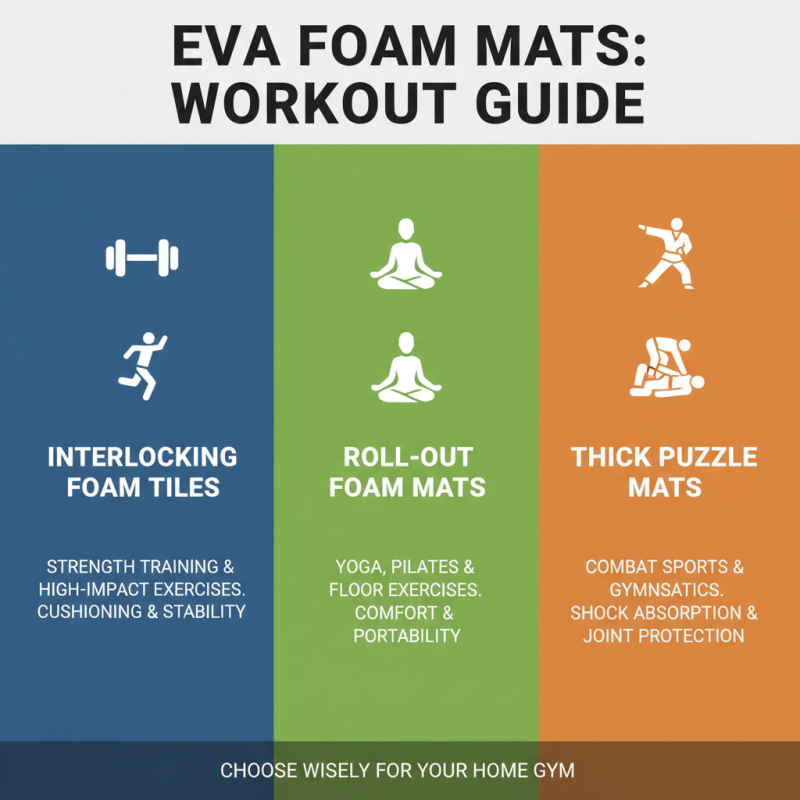
Choosing the right EVA foam mats can significantly enhance your home gym experience. These mats come in various types, each suited for specific workouts and activities. For instance, interlocking foam tiles are ideal for strength training and high-impact exercises. They provide necessary cushioning while offering stability.
Fitness industry data indicates that about 45% of home gym users prefer cushioned surfaces to protect joints during intense workouts. Another popular option is large foam rolls, which can cover expansive areas. They are great for yoga and stretching routines. Although they are versatile, users sometimes find them slippery when wet, which can hinder performance.
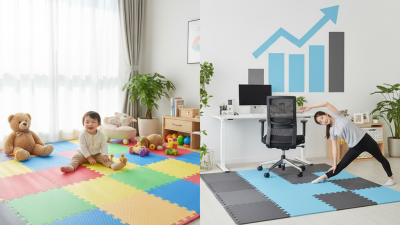
For children’s play areas or light exercises, soft EVA mats are an excellent choice. They are durable, lightweight, and easy to clean. However, lighter mats may lack the sturdiness needed for heavy equipment, leading to potential damage. Not all foam mats are created equal; selecting the right type requires careful consideration of your workout style and space requirements.
Thickness and Density: Key Attributes of Quality Eva Foam Mats
When selecting EVA foam mats for your home gym, thickness and density are crucial factors. A typical thickness ranges from 10mm to 25mm. Thicker mats provide more cushioning and shock absorption. They are ideal for heavy lifting or high-impact workouts. Yet, thickness alone does not guarantee quality. Density is equally important. Higher density mats withstand wear and tear better, offering lasting support.
According to a study from the International Health and Fitness Association, density levels above 80 kg/m³ are favorable for durability. Low-density mats may compress under pressure, leading to rapid degradation. Consider your workout style when choosing thickness and density. For yoga or stretching, a thinner mat may suffice. For strength training, look for thicker, denser options.
Tips: Check for mat certifications for safety standards. Look for customer reviews on durability. Ensure your selection fits the specific needs of your workouts. Remember, a quality mat is an investment in your overall fitness journey.
Maintenance and Care Tips for Longevity of Eva Foam Mats
Caring for your EVA foam mats is crucial for their longevity. Regularly cleaning them can prevent dirt and grime buildup. Use a mild detergent mixed with water and a soft cloth to wipe the surface. Avoid harsh chemicals; they can damage the mat's material.
Although EVA foam is durable, it still requires attention. Make sure to dry your mats thoroughly after cleaning. Leaving them wet can cause mold and mildew. Store them in a cool, dry place when not in use. This helps maintain their shape and quality over time.
Monitor for any signs of wear or tear. If you notice cracks or fading, it may be time to replace them. Reflect on your usage patterns: do you frequently host intense workouts? Adjusting how you care for them based on their usage will extend their life. Consistent maintenance is key to keeping your home gym safe and functional.
How to Choose the Best Eva Foam Mats for Your Home Gym? - Maintenance and Care Tips for Longevity of Eva Foam Mats
| Feature |
Description |
Maintenance Tips |
Longevity Expectation |
| Thickness |
Common thickness ranges from 0.25 to 1 inch, chosen based on workout intensity. |
Avoid heavy weights falling directly on thin mats. |
3-5 years with proper care. |
| Texture |
Mat texture affects grip during workouts; options include smooth and textured finishes. |
Regularly clean with mild soap and water. |
2-4 years based on texture maintenance. |
| Water Resistance |
Some mats are designed to be water-resistant, suitable for humid environments. |
Wipe dry after use to prevent mildew. |
3-6 years when cared for properly. |
| Density |
Higher density mats offer better support and durability. |
Store in a cool, dry place to maintain density. |
5+ years with moderate use and care. |
| Interlocking Design |
Interlocking tiles can be customized to room size. |
Reposition tiles periodically to prevent wear. |
4-7 years with proper interlocking care. |