How to Choose the Best Foam Play Mat for Your Baby?
Choosing the right Foam Play Mat for your baby can feel overwhelming. With countless options available, parents want the best for their little ones. A Foam Play Mat should provide comfort and safety during playtime. However, not all mats are created equal.
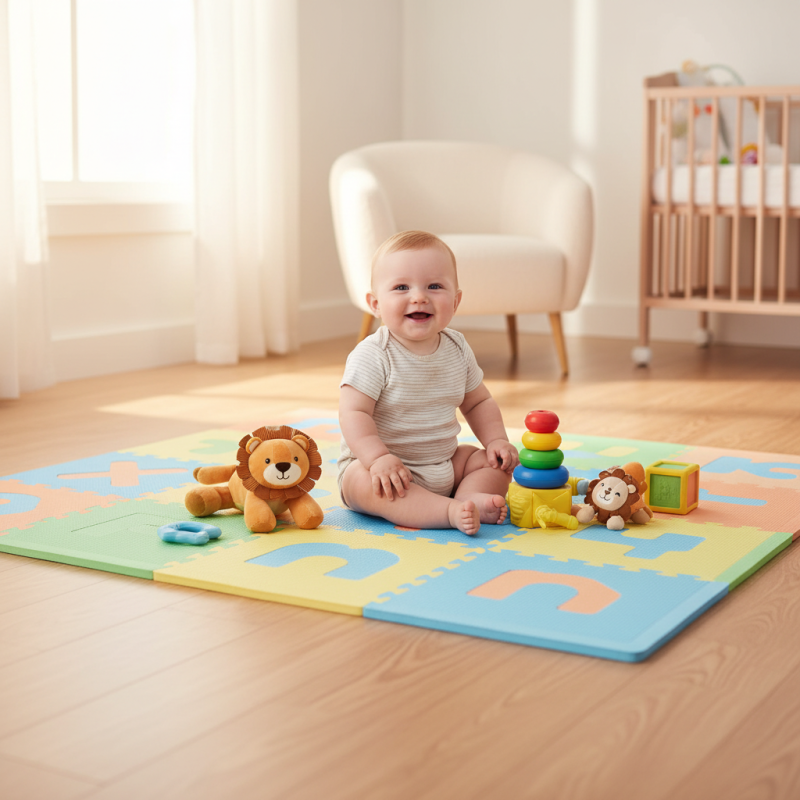
When selecting a Foam Play Mat, consider the material, thickness, and design. Some mats are made from non-toxic materials, while others may not be as safe. A thicker mat can offer better cushioning, but it might be bulkier to store. Colorful designs can stimulate your baby's senses, fostering creativity and engagement.
Reflecting on my experiences, some mats have disappointed. They didn’t hold up well to wear and tear. Others may lack sufficient grip, posing a safety risk. The right Foam Play Mat should suit your baby's needs while being practical for you. A thoughtful choice can enhance your baby's playtime and encourage happy, healthy development.
Factors to Consider When Choosing Foam Play Mats for Infants
Choosing the right foam play mat for your infant involves several critical factors. Safety is paramount. Look for mats made from non-toxic materials. The Consumer Product Safety Commission (CPSC) indicates that foam mats can reduce the risk of injuries during play. Thickness matters too; a mat that is at least 1 inch thick can provide the necessary cushioning for your baby.
Texture also plays a significant role. A mat with a non-slip surface helps prevent accidents. The American Academy of Pediatrics (AAP) suggests that mats with varied textures stimulate sensory exploration. Color and patterns can also engage your baby's visual senses. According to research, infants respond positively to bright colors and simple shapes.
Consider the ease of cleaning. Babies are prone to spills and messes, so a mat that can be easily wiped down is crucial. Data shows that parents prefer mats that are waterproof and stain-resistant. Durability is another aspect. A well-constructed mat can withstand the rigors of active play. Weighing all these factors can help parents make an informed choice, ultimately providing a safer play environment for their little ones.
Material Safety Standards and Regulations for Baby Foam Play Mats
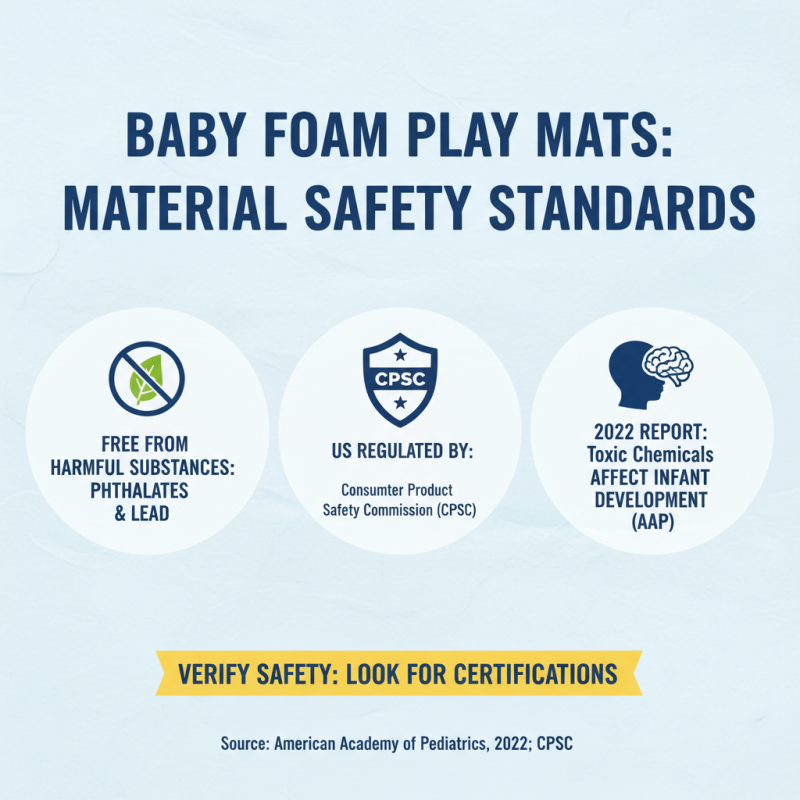
When selecting a foam play mat for your baby, material safety is paramount. Many manufacturers claim their mats meet safety standards, but how can parents verify this? In the U.S., the Consumer Product Safety Commission (CPSC) sets safety regulations, ensuring baby products are free from harmful substances like phthalates and lead. According to a 2022 report by the American Academy of Pediatrics, exposure to toxic chemicals in baby products can affect infant development.
Foam play mats should be made from non-toxic materials, such as EVA (ethylene-vinyl acetate) or natural rubber. A study published in the Journal of Health & Environmental Safety highlighted that mats made from these materials had lower levels of volatile organic compounds (VOCs). Parents should also seek certifications, such as the Children's Product Certificate (CPC), which indicates compliance with safety regulations. As a guideline, a 2020 consumer report suggested that at least 80% of foam mats fell short on safety tests.
It's also important to consider durability. Some mats may wear down quickly, potentially exposing harmful materials. Research from the Consumer Product Safety Review identified that wear and tear could lead to potential hazards. Regularly inspecting play mats for abrasions or tears can help maintain a safe play environment for children. Safety should not be assumed; it must be actively managed.
Impact of Thickness and Density on Cushioning and Safety Features
When selecting a foam play mat for your baby,
thickness and density greatly influence safety and
comfort. Thicker mats can provide more cushioning,
which is essential for infants learning to crawl or walk. A mat that is at least 1-inch thick can protect
your baby from hard surfaces during their playful tumbles. However, a mat that is too thick can be unstable, leading to slips and falls.
Density also matters. High-density foam mats offer better support and durability. They can withstand
the constant movement of active toddlers without losing their shape. Choosing a mat with the right density
can prevent injuries during playtime. Softer mats might give way too easily, providing less protection.
Parents should consider their baby’s activities when selecting the density
for the mat.
Additionally, the texture of the mat can impact safety. Mats with non-slip surfaces help prevent accidents.
It's challenging to find a perfect balance. Some mats that are soft may feel cozy but can be dangerous on
slippery floors. Evaluating the right thickness and density, alongside texture, can lead to more confident
playtime for your little one. Each family’s needs are unique, and careful consideration is essential.
Durability, Maintenance, and Longevity of Foam Play Mats
When selecting a foam play mat for your baby, durability is paramount. Research shows that a high-quality foam mat can withstand heavy use. According to a study by the American Society for Testing and Materials, mats made of high-density foam can last significantly longer than lower-density alternatives. This means fewer replacements and more playtime for your child.
Maintenance plays a crucial role in the longevity of foam mats. Regular cleaning is essential to keep them safe and hygienic. A survey by the National Parenting Product Awards found that over 65% of parents prefer materials that are easy to clean. It is important to check if mats are water-resistant or can be wiped down easily with non-toxic cleaners.
Parents might overlook the importance of longevity when shopping. Some choose mats based solely on visual appeal. However, a durable play mat is an investment. A report from the Consumer Product Safety Commission states that well-maintained mats not only reduce wear but also contribute to a safer play environment. Choosing wisely in this area can make a significant difference in your baby’s play experience.
How to Choose the Best Foam Play Mat for Your Baby? - Durability, Maintenance, and Longevity of Foam Play Mats
| Feature |
Details |
| Material |
Non-toxic EVA foam |
| Thickness |
0.5 to 1 inch |
| Water Resistance |
Yes, easy to clean |
| Durability |
Lasts 3-5 years with proper care |
| Maintenance |
Wipe with damp cloth, mild detergent |
| Weight |
Lightweight, typically under 5 lbs |
| Safety Features |
Non-slip surface, rounded edges |
| Color Options |
Variety of colors and designs available |
Design and Aesthetic Considerations in Baby Play Mat Selection
When choosing a foam play mat for your baby, design and aesthetics are key factors. A well-designed mat can enhance the play environment. Bright colors and playful patterns can stimulate a baby's senses. However, balancing aesthetics with functionality is important. Parents often overlook the need for durability and safety in favor of visual appeal.
Consider the room where the mat will be used. The color scheme and design should complement the existing decor. A mat that fits seamlessly into the room can create a harmonious atmosphere. On the other hand, some designs clash with a home’s aesthetic. This can lead to frustration when trying to incorporate the mat into daily life.
Texture also plays a vital role. A visually appealing surface may not always provide the right tactile experience for infants. Too smooth can be slippery, while too rough might irritate delicate skin. It's essential to feel the material before making a decision. Pay attention to how the mat looks from different angles. Sometimes, what seems perfect in photos doesn’t translate well to real life. Prioritizing both design and safety creates a better play area for your child.