How to Choose the Best Plush Foam Mat for Your Home?
Choosing the right Plush Foam Mat for your home can be a daunting task. With so many options available, it’s essential to know what suits your lifestyle and needs best. Jane Smith, a renowned expert in home décor, once said, "The right mat can transform a space into a cozy sanctuary."
When considering a Plush Foam Mat, think about its placement. Are you using it in a nursery, playroom, or living area? The purpose will dictate the best choice. It's crucial to consider size, thickness, and material. A thick mat may provide better cushioning for children but might be harder to clean.
Also, reflect on aesthetics. The perfect Plush Foam Mat should blend well with your existing decor. Sometimes the most beautiful mats can also be the least practical. Take your time in making this decision, as the wrong choice can lead to discomfort or frequent cleaning. A well-informed choice can create that inviting atmosphere you desire in your home.
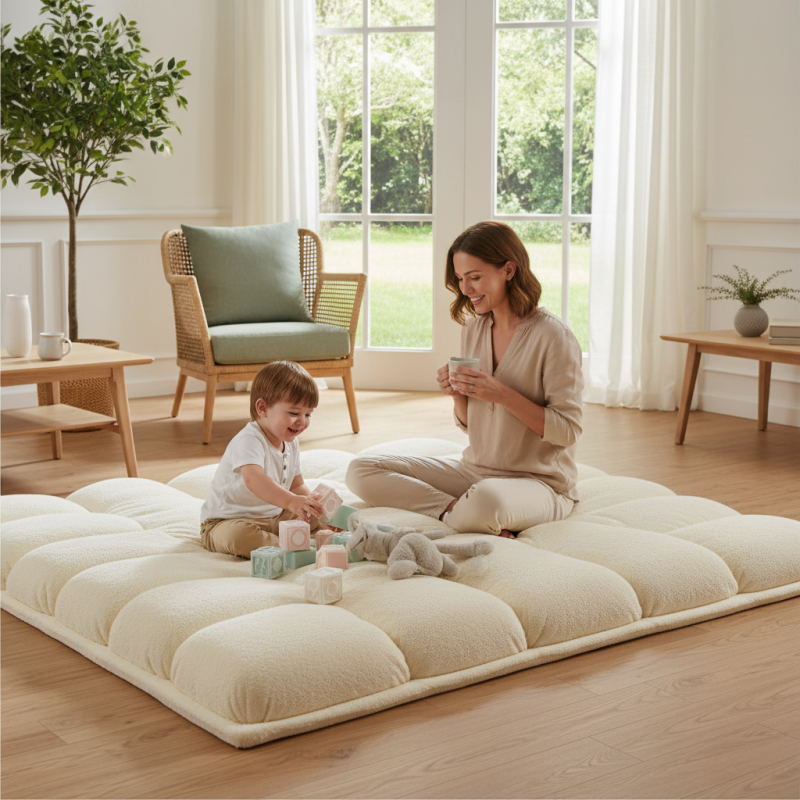
Understanding the Benefits of Plush Foam Mats for Home Use
Plush foam mats have become a popular choice for homes. Their comfort is undeniable. They provide a cushioned surface for various activities. Whether for playtime or workouts, these mats offer support. You can stand or kneel without discomfort. This can be particularly beneficial for those with joint issues.
The aesthetic appeal of plush foam mats is another advantage. They come in different colors and designs. This makes it easy to match with home decor. However, the thickness and density can vary. A thicker mat may feel softer, but it can also be pricier. Consider where you’ll use the mat. Different areas may require different levels of density.
A potential downside to plush foam mats is maintenance. They can attract dirt and stains. Regular cleaning is necessary to keep them looking fresh. Think about your lifestyle before choosing a mat. Do you have pets or small children? These factors can influence your decision. Weigh the pros and cons carefully.
Identifying Your Specific Needs: Size, Thickness, and Material
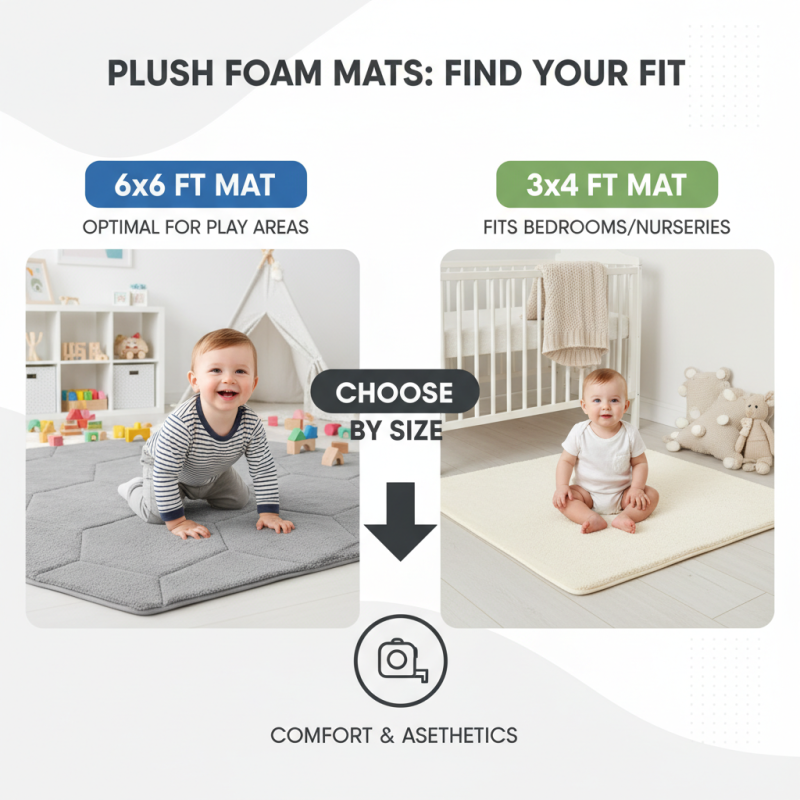
Choosing the right plush foam mat requires clarity on your needs. Start with size. Larger spaces benefit from bigger mats. A 6x6 foot mat is optimal for play areas. In smaller rooms, a 3x4 foot mat fits better. Remember, size affects both comfort and aesthetics.
Next, consider thickness. Research shows that mats with at least 1 inch of thickness provide better cushioning. This is essential for joint support, especially for children or older adults. Too thin, and the mat may lead to discomfort. A typical thickness range is between 0.5 to 2 inches. Assess your lifestyle to find what works.
Material choice is crucial too. High-density foam mats offer durability and support. Meanwhile, softer materials can feel luxurious but may wear out faster. A 2022 industry report noted that 70% of users preferred dense foam options for their longevity. Balancing comfort with durability is key. Think carefully about what fits your home. These reflections will guide you to better decide on a mat that truly meets your needs.
Evaluating Different Types of Plush Foam Mats Available
When evaluating different types of plush foam mats, consider thickness. Thicker mats often offer more comfort and support. They can absorb impact better. However, they may not fit under furniture easily. This can be a drawback for some spaces.
Another factor is material. Some foam mats are made from high-density foam, making them durable. Others are softer and less firm. Soft mats might feel cozy but may not provide enough support for prolonged use. Finding the right balance is essential.
Texture is also crucial. A smooth surface can feel luxurious but may become slippery. Conversely, a textured mat offers better grip but might be harder to clean. Remember that colors and patterns can affect a room's vibe. Choosing the right design is not always straightforward. Test mats if possible before deciding. Every detail matters when it comes to comfort and aesthetics. Be sure to weigh all these aspects carefully.
Considering the Ideal Aesthetic and Design for Your Home Decor
When selecting a plush foam mat, aesthetics play a critical role. Your mat should complement your existing decor. Colors, patterns, and texture all matter. According to a 2022 survey, 78% of homeowners prioritize visual appeal in home accessories. A mat can be a statement piece or blend into the background. Consider your room's overall style. A bold design can energize a space, while a subtle one can create tranquility.
Texture is another vital aspect. The feel of the mat impacts comfort and aesthetics. Reports indicate that 65% of consumers prefer softer textures that provide warmth. This choice enhances the inviting nature of your home. If your decor features clean lines and modern finishes, select a mat that resonates with those elements. Combining varied materials can add dynamic interest. Mixing plush mats with natural fibers, for example, can create a captivating visual contrast.
However, it's essential to reflect on practicality. A stunning mat can quickly lose its charm if it doesn't withstand everyday use. Durability often clashes with aesthetics. Many vibrant and trendy mats may not hold up well over time. Balancing beauty with resilience remains a challenge. Emphasizing aesthetic appeal without sacrificing function requires thoughtful consideration. Your choice should enhance both the style and livability of your home.
Comparative Analysis of Plush Foam Mats by Thickness and Density
Reviewing Care and Maintenance Tips for Longevity of Foam Mats
Maintaining plush foam mats can be tricky yet rewarding. Regular care ensures they last longer. Start by vacuuming to remove dirt and dust. This step is crucial. Weekly vacuuming keeps debris from settling deep into the foam. You may notice stains over time. Address these as soon as possible. Use a damp cloth with mild soap for spot cleaning.
Once a month, check for any signs of wear. Look for uneven surfaces or tears. These issues can worsen if ignored. If you find any damage, consider patching or replacing the mat. Store these mats in a cool, dry place when not in use. Avoid excessive moisture, as it can lead to mold.
Foam mats also need occasional deep cleaning. In this case, follow specific cleaning methods. Test any cleaners on a small area first. This prevents surprises. For added protection, consider using covers. This simple step can save time and effort in the long run. Reflect on your habits; changes can make a big difference.