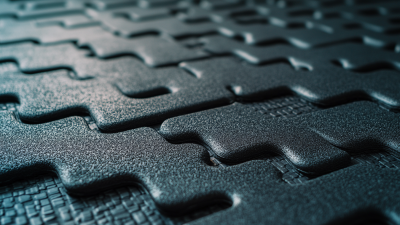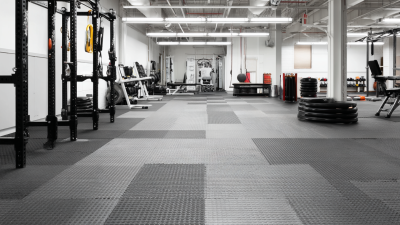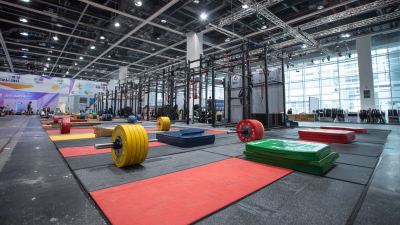
Choosing the right Gym Puzzle Mat begins with the training environment, not the product photograph. A home workout corner needs different protection than a commercial weight room. Consider impact, noise, moisture, cleaning routines, and daily foot traffic. A thick mat may soften dropped dumbbells, but it can also feel unstable during squats or lateral movements. That trade-off matters.
“Flooring is part of the equipment,” says Rick Bieder, a longtime sports-flooring professional. His point is practical. A floor affects balance, joint comfort, equipment life, and the gym’s overall safety. When comparing a Gym Puzzle Mat, inspect its density, surface texture, locking edges, and odor. Dense rubber usually handles heavier loads better than soft foam. Textured surfaces can improve grip, especially near rowing machines or sweaty training zones. Yet texture may collect dust and require more careful cleaning.
Measure the room before ordering. Small calculation errors can leave visible gaps along the wall. Check whether the tiles need trimming, and allow space for doors, racks, and storage cabinets. A 20-millimeter mat may protect against moderate impact, while heavier lifting may require a thicker rubber system or additional platform. Product claims deserve scrutiny. “Shock-absorbing” does not always mean “drop-proof.”
Think about the user, too. Children, older adults, and barefoot trainees may notice hardness and surface temperature quickly. Installation is simple, but not always perfect. Edges can separate when the subfloor is uneven. I have seen attractive layouts fail because moisture remained underneath. A reliable choice balances protection, stability, maintenance, and budget. The best Gym Puzzle Mat is not necessarily the thickest one. It is the one that matches the actual training load.
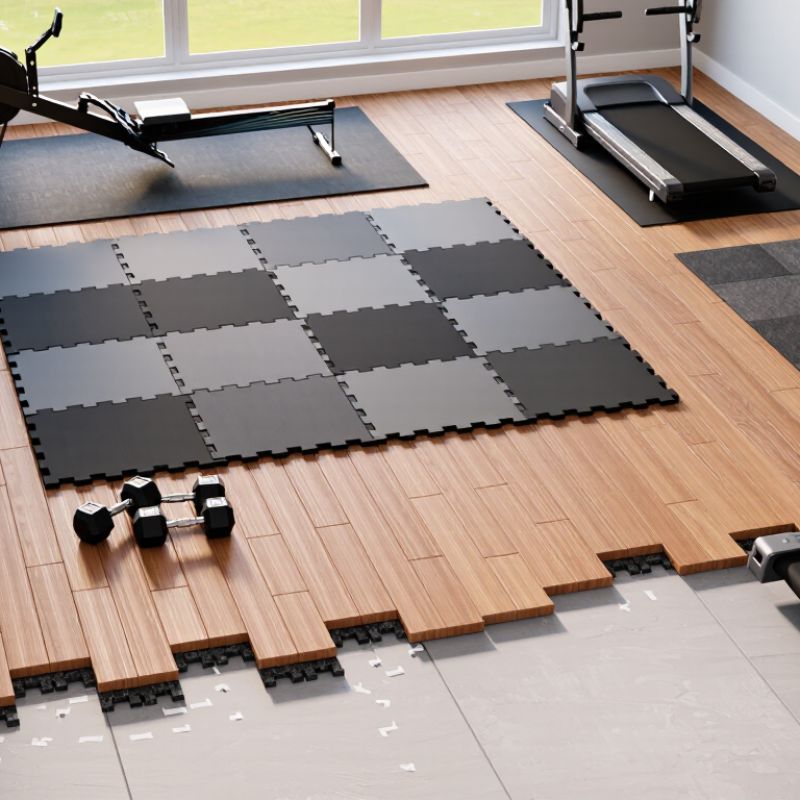
Define your gym’s flooring needs before comparing puzzle mat designs. Measure the room, door clearances, and floor condition carefully. Measure twice. Uneven concrete can create gaps, rocking, and premature seam damage. In my experience, a mat should match the activity, not simply look thick. Weightlifting areas need dense surfaces that resist compression under racks and dropped equipment. A home training space may need more comfort for stretching, bodyweight exercises, and long workouts. That detail matters.
Training intensity also affects thickness and texture. High-impact circuits and martial arts require reliable shock absorption and secure footing. Smooth surfaces may clean easily, but they can feel slippery when sweat accumulates. Textured surfaces improve traction, although deep patterns can trap dust and disinfectant residue. Choose closed-cell material when possible, because it limits moisture absorption and simplifies routine cleaning. Leave enough space around each training station for safe movement and equipment storage.
I once focused too much on thickness and overlooked the subfloor. The mat felt comfortable, but small floor irregularities made several tiles shift. That mistake changed my evaluation process. I now test a sample with jumping, lateral steps, and a loaded bench before covering the whole room. Check whether edges stay connected after repeated movement. Confirm that cleaning products are compatible with the surface. Ventilation matters too, especially in warm rooms. A practical choice balances protection, stability, maintenance, and the actual habits of the people using the gym.
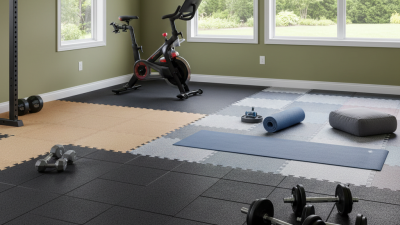
Choosing a gym puzzle mat requires more than checking its price. Material, thickness, and surface texture affect comfort, stability, and maintenance.
EVA foam feels soft under knees and suits home workouts, stretching, and light weights.
Rubber offers stronger impact resistance and better grip, but it usually feels firmer.
PVC can provide a smooth, water-resistant surface, though its comfort depends heavily on foam density and construction.
Thickness should match the exercise, floor, and equipment.
A 10–12 mm mat can support bodyweight training and moderate dumbbell work. For heavier equipment, thicker flooring may reduce vibration and protect the subfloor. However, extra thickness is not always better. Very soft mats can make squats feel unstable and may compress under racks.
I once chose a thick mat for comfort, but its seams shifted during lateral movements. That mistake changed how I judge stability.
Surface texture deserves hands-on attention.
Fine raised patterns can improve traction during sweaty sessions, while deep grooves may trap dust and cleaning residue. A lightly textured finish often balances grip with easier wiping.
Check whether the puzzle edges lock tightly and whether the material releases a strong odor after unpacking. Product data should identify density, dimensions, cleaning guidance, and load limits.
Still, specifications cannot replace a simple test: kneel, pivot, and place your heaviest home equipment on one corner. Watch for sliding, curling, or permanent dents.
Safety starts with a stable surface. In gym inspections, I check whether each tile lies flat after repeated use. Raised edges can catch shoes, toes, or equipment wheels. Choose interlocking pieces with tight connections and clean, square cuts. The material should resist tearing when weights, benches, and racks move across it. Check its fire, chemical, and material information from reliable test documents. Do not trust vague claims such as “professional quality.” They are not evidence.
Shock absorption depends on more than thickness. A thick, soft mat may reduce impact but feel unstable during squats or lunges. Dense rubber often supports heavy equipment better, while resilient foam can suit light training areas. Place a loaded dumbbell on a sample and inspect the dent afterward. A lasting depression suggests weak recovery. My first choice was once the softest tile, but it compressed too quickly under a rack.
Slip resistance matters when sweat or cleaning water reaches the floor. Walk, pivot, and perform a controlled lunge on the sample. Your foot should grip without sticking suddenly. Textured surfaces usually help, but deep patterns can collect dust and become difficult to sanitize. Keep seams away from frequent landing zones when possible. Also inspect the floor after cleaning. Some mats become surprisingly slick when damp. The test area matters.
How to Choose the Best Gym Puzzle Mat?
A good gym puzzle mat begins with the floor beneath it. The surface should be clean, dry, level, and free from loose dust. Measure the room twice before ordering tiles. Small gaps matter. Leave enough space for doors, equipment, and wall movement. During installation, connect the edges firmly without forcing them together. Excessive pressure can make the tiles curl later. I once installed mats on a slightly uneven floor, and the seams became noticeable within weeks. That mistake changed my process. I now check the subfloor with a long level before fitting any tile.
Maintenance affects comfort and lifespan. Sweep or vacuum regularly, especially around racks and benches. Use a mild cleaner that does not leave an oily film. Test it on a hidden section first. Water should not remain between connected tiles, because trapped moisture may create odors or weaken the underside. Inspect high-use areas every month. Replace damaged pieces instead of ignoring them. That sounds obvious, but busy facilities often delay small repairs.
Durability depends on more than thickness. Consider impact, weight, temperature, and daily traffic. Dense rubber or resilient foam may suit different training styles. Match the material to your equipment and exercise intensity. The mat must also fit the space visually and physically. A perfect product can feel wrong if tiles shift underfoot. Measure equipment footprints, clearance zones, and storage areas before choosing a layout. Recheck your assumptions. A practical installation is rarely perfect, but it should remain stable, clean, and comfortable through repeated use.
| Mat Construction | Typical Thickness | Installation | Maintenance | Durability for Gym Use | Fit and Stability | Best Application | Main Consideration |
|---|---|---|---|---|---|---|---|
| High-density EVA interlocking tiles | 10–25 mm | Dry, tool-free installation; puzzle edges connect quickly and tiles can be trimmed around walls or posts. | Vacuum or sweep regularly. Wipe with mild soap and water; avoid harsh solvents and excessive soaking. | Medium Suitable for light to moderate foot traffic, stretching, bodyweight training, and home equipment. |
Easy to reconfigure. Interlocking edges provide good alignment, but tiles may separate under strong lateral movement if the floor is uneven. | Home gyms, yoga, mobility work, children’s activity areas, and light exercise zones. | Can compress or show dents under heavy racks and concentrated loads. Some EVA surfaces may be affected by direct sunlight or heat. |
| Dense rubber interlocking tiles | 8–20 mm | Modular installation with little or no adhesive on a clean, level floor. Heavy tiles usually stay in place after fitting. | Sweep or vacuum, then damp-mop with a pH-neutral cleaner. Dry thoroughly to reduce odor and moisture beneath the tiles. | High Resists impact, abrasion, compression, and equipment movement better than most foam products. |
Stable and resistant to shifting. Interlocking seams should be tightly joined to prevent dirt and moisture from entering. | Free-weight areas, functional training zones, garages, and commercial fitness spaces. | Heavier and harder to cut than foam. New rubber may have a noticeable odor that decreases with ventilation. |
| Recycled rubber puzzle tiles | 10–30 mm | Usually installed as loose-lay interlocking sections. The dense weight helps the floor remain stable without permanent bonding. | Remove loose debris frequently and clean with diluted neutral detergent. Allow the underside and subfloor to dry when moisture is present. | Very high Well suited to repeated impact, dropped weights, sled work, and high-traffic training. |
Excellent resistance to movement and compression. Thick options can help reduce vibration and protect the subfloor. | Strength areas, lifting platforms around equipment, and demanding commercial training environments. | May contain visible color flecks and has greater weight, cost, and odor potential than standard EVA tiles. |
| PVC interlocking tiles | 5–12 mm | Fast modular installation on a smooth, dry, level surface. Edges can be replaced individually if damaged. | Low-absorption surface is easy to sweep and damp-mop. Use a neutral cleaner and avoid abrasive pads. | Medium to high Good resistance to moisture, abrasion, and routine commercial foot traffic when correctly specified. |
Precise interlocking edges provide a neat fit. Expansion gaps may be needed in large areas, depending on the product and room conditions. | Cardio areas, multipurpose studios, and spaces where easy cleaning is important. | Usually provides less impact cushioning than thick rubber or EVA. Surface can become slippery when contaminated with water or oil. |
| Foam puzzle tiles with textured surface | 15–30 mm | Very easy to assemble and reposition. Best installed over a clean, smooth surface without furniture placed directly on weak seams. | Clean with a soft brush or damp cloth. Avoid steam cleaning, bleach, petroleum-based products, and sharp cleaning tools. | Low to medium Comfortable for floor exercises but less suitable for heavy equipment, sharp loads, or repeated impact. |
Provides good underfoot comfort and insulation. Softer foam may shift, stretch, or retain impressions under heavy furniture. | Stretching, Pilates, martial-arts drills with controlled contact, and temporary exercise areas. | Prioritize density and surface texture rather than thickness alone; thicker foam is not automatically more load-resistant. |
| Hybrid foam-and-rubber puzzle system | 10–20 mm | Interlocking installation combines modular fitting with a denser wear layer. Some systems use separate top and base sections. | Follow the surface-care instructions for the top layer. Clean spills promptly and inspect seams for trapped moisture. | High Balances impact protection, comfort, and resistance to moderate equipment loads. |
Typically more stable than basic foam while remaining easier to handle than solid rubber tiles. | Mixed-use home gyms, functional training areas, and spaces used for both floor work and equipment training. | Performance depends heavily on the bonding quality and density of each layer; inspect edges before purchase. |
Measure the training area before choosing a puzzle mat. Leave space around walls, equipment, and doorways. A mat that barely fits can create awkward edges and trip points. For home workouts, 60-by-60-centimeter tiles offer flexible coverage. Larger tiles reduce seams and installation time. Smaller tiles can fit unusual corners more easily. Draw the room on paper first. It prevents expensive guesses.
Thickness matters when training on hard flooring. For stretching, yoga, and light exercise, thinner foam may feel stable. Strength training and jumping need stronger cushioning and better impact control. Check the material density, not thickness alone. A soft mat can compress quickly under heavy equipment. Textured surfaces improve grip, especially with sweaty hands. However, deep textures may collect dust and require more cleaning. I once chose a highly textured mat, and cleaning it became surprisingly tedious.
Design should support daily use, not distract from it. Dark colors can hide marks, while lighter colors reveal dirt sooner. Interlocking edges should connect firmly without visible gaps. Test one corner before covering the entire room. Overall value includes durability, comfort, maintenance, and replacement cost. A cheaper set may become wasteful if tiles separate or curl. Still, paying more does not guarantee better performance. Read material details, inspect return terms, and consider how often the space will be used. Your ideal mat may be less stylish, but much easier to live with.