How to Choose the Best Large Foam Mat for Your Needs?
Choosing the right Large Foam Mat can significantly enhance your space. Whether for playrooms, fitness, or tranquil relaxation, the mat's purpose matters. With various sizes, colors, and materials, the options can be overwhelming.
Consider your specific needs first. Are you looking for durability or comfort? A thick mat may seem appealing, but it might not suit all activities. Some mats are softer, while others excel in tough environments. Your choice can affect safety and enjoyment during use.
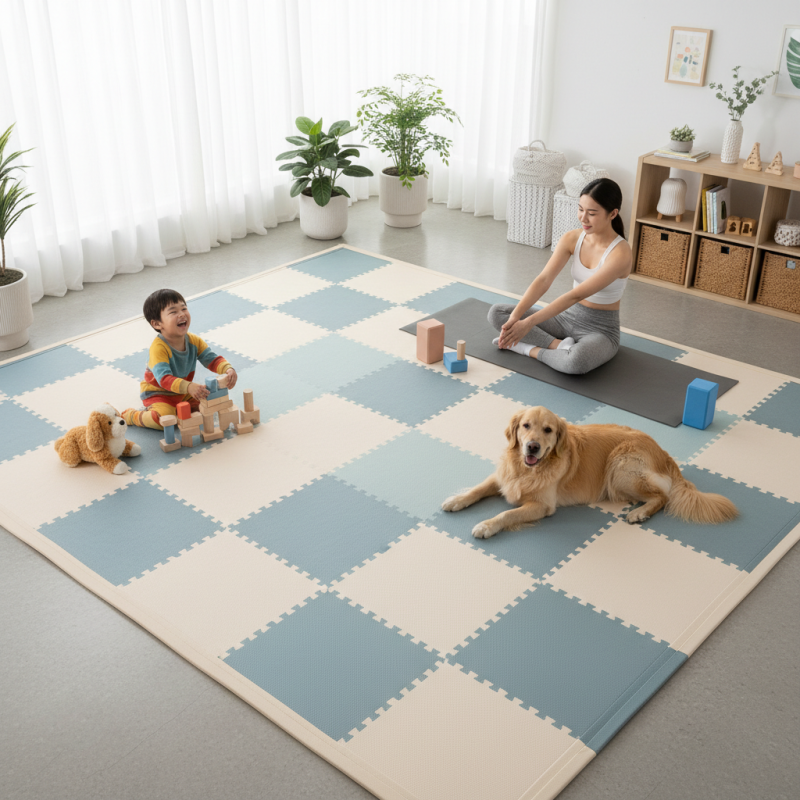
It's essential to think about where you will place your Large Foam Mat. Do you have children or pets? Will it slip on the floor? Evaluate these factors carefully. Reflecting on your choices will help eliminate regrets later on. Making the right decision takes time, but it’s worth the effort.
Understanding Foam Density and Its Impact on Comfort and Support
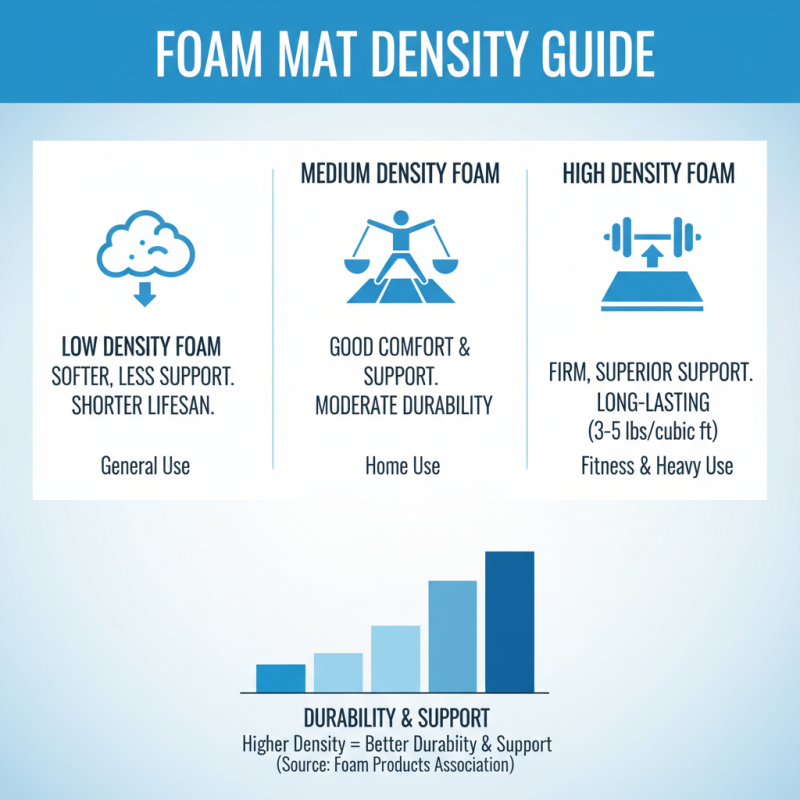
When choosing a large foam mat, understanding foam density is crucial. Foam density impacts both comfort and support. Higher density foams usually offer more durability and support. For instance, a density of 3-5 pounds per cubic foot is common for high-quality mats. These mats endure weight better, especially if used in fitness settings. A report from the Foam Products Association indicates that density directly relates to the foam's longevity and resilience.
Low-density foams, around 1-2 pounds per cubic foot, may feel soft but lack the necessary support. This can lead to discomfort during prolonged use, especially for heavier individuals. A study found that foam compression can occur under pressure. This means that over time, even a high-density mat might lose its shape. Users should consider their activity levels. For activities like yoga or exercise, medium to high-density options are often recommended for optimal support.
It's essential to reflect on personal needs. Some may prefer a softer feel, while athletes might prioritize firmness. Testing various density levels is beneficial. Evaluation can lead to better choices. Each user's experience will vary based on weight, usage, and personal preferences. Balancing comfort and support is key to finding the right large foam mat.
Evaluating Size and Thickness for Different Activities and Spaces
When selecting a large foam mat, size and thickness are crucial. The right size depends on your available space. Consider the area where you will place the mat. For a playroom, choose a larger size that fits comfortably. However, for a smaller apartment, a compact mat may be more practical.
Thickness matters too. Thicker mats provide more cushioning. This is ideal for activities like yoga or gymnastics. A 1-inch thickness can absorb impact well. If you're using the mat for light exercises, a thinner option may suffice. However, be wary of thin mats. They may not provide adequate support.
Tip: Measure your space before buying. This ensures proper fit. Think about use cases. Will it be for kids? Choose a thicker mat for safety. Apart from thickness, check the material quality. Some mats may feel slippery. That can lead to injuries.
Think about the activities planned. A mat for kids’ play should be durable. Look for easy-to-clean options. Older mats may lose their cushioning abilities. Regularly check their condition.
Ultimately, find a balance between size, thickness, and intended activities. Reflect on your needs and preferences. This will significantly enhance your experience.
Comparison of Large Foam Mat Size and Thickness for Different Activities
Material Types: Comparing EVA, PE, and PU Foam for Durability
When selecting a large foam mat, understanding material types is essential. EVA (ethylene-vinyl acetate) foam is popular for its flexibility and shock absorption. Studies show it can withstand heavy impacts. However, durability can diminish under extreme temperatures and prolonged UV exposure. It may not be the best choice for outdoor use.
PE (polyethylene) foam offers a different set of benefits. It is chemically resistant and provides good insulation. It withstands moisture well, making it ideal for gym floors or patio setups. Reports indicate that PE foam generally has a longer lifespan than EVA foam in high-humidity environments. Yet, it might feel firmer underfoot, resulting in less comfort during prolonged use.
PU (polyurethane) foam tends to be softer. Its density helps absorb energy, making it favorable for impact zones. While it can be used indoors or out, its lifespan can be questionable. Studies suggest that PU foam can degrade faster than its counterparts in high-stress situations. Users should weigh comfort against longevity when choosing this material. Each option presents unique advantages and drawbacks. Consider these factors carefully to find the right mat for your specific needs.
Assessing Slip Resistance and Safety Features for Family Use
When selecting a large foam mat for family use, safety should be a top priority. Assessing slip resistance is crucial. Look for mats with a textured surface. This feature helps enhance grip, especially in playful environments. Mats with rubber backing can also provide better traction. If kids or pets run on the mat, stability becomes essential.
Consider the mat's material as well. Some materials can become slippery when wet. Testing the mat in different conditions is a wise move. Water spills can happen, so being proactive is needed. Look for mats that are easy to clean. This will help maintain a safe environment at home.
Lastly, think about the overall safety features. Rounded edges can prevent accidents. Additionally, a cushioned surface can reduce impact during falls. Pay attention to the thickness of the foam. Choosing the right thickness might require some reflection on your family's needs. Each family is unique, so finding what works best is key.
How to Choose the Best Large Foam Mat for Your Needs?
| Feature |
Importance Level |
Description |
| Slip Resistance |
High |
Ensure that the mat provides a grip to prevent slips, especially for young children. |
| Thickness |
Medium |
A thicker mat offers more cushioning, reducing the risk of injury during falls. |
| Material Quality |
High |
Choosing high-quality foam can enhance durability and safety. |
| Size |
Medium |
Larger mats provide more space for play and activities, beneficial for families. |
| Easy to Clean |
High |
Look for mats that can be easily wiped down to maintain hygiene. |
| Non-Toxic Materials |
High |
Ensure that foam mats are made from non-toxic materials to protect children's health. |
Analyzing Cost vs. Quality: Making Informed Purchasing Decisions
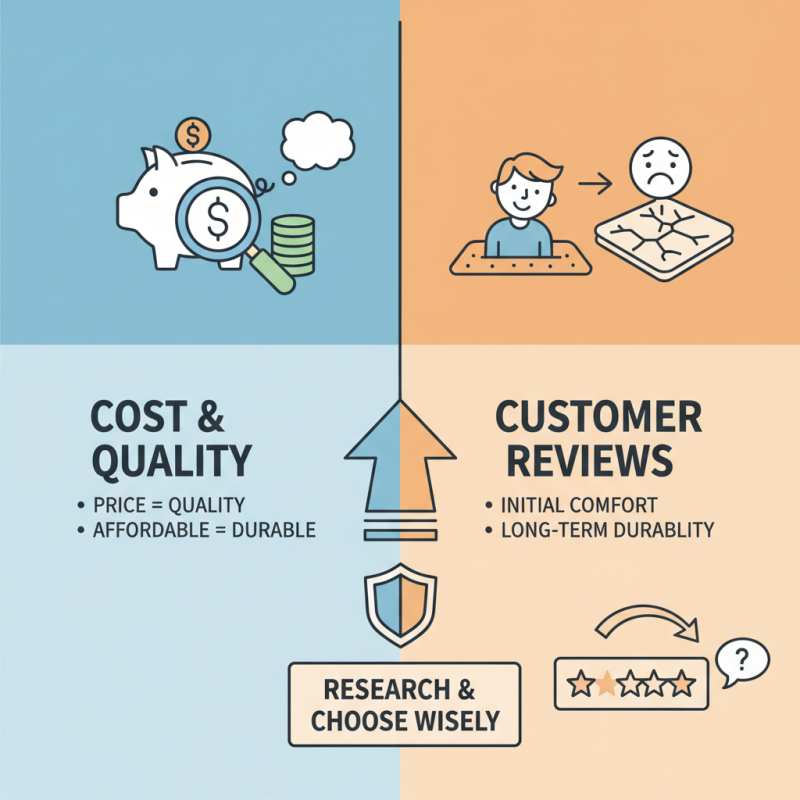
When selecting a large foam mat, cost and quality are vital factors. A high price does not always equal high quality. You may find affordable options that perform well but lack durability. Check reviews to gauge customer satisfaction. Some mats may feel comfortable initially, but their comfort diminishes over time. You might regret a hasty purchase if the mat flattens too quickly.
Consider how you plan to use the mat. For exercise, you need firmness and support. For kids' play areas, prioritize softness. Analyze if the mat has a non-slip surface. A low-cost mat may not provide proper traction, leading to accidents. It's practical to invest more in a mat that lasts longer and stays safe. Look for mats made from environmentally friendly materials. This adds another layer of consideration to your decision-making.
Quality often comes with warranties or guarantees. A mat with a warranty shows the manufacturer's trust in their product. Even so, not every warranty is reliable. You could find yourself with limited options when seeking replacements. Reflect on your priorities and how often you will use the mat. Balance your budget against the features you value most. This approach leads to a thoughtful purchase rather than an impulse buy.