What Are Flexible Intramedullary Nails and Their Benefits?
Flexible Intramedullary Nails are a vital tool in modern orthopedic surgery. They offer a range of benefits for treating fractures. According to a 2022 report by the American Academy of Orthopaedic Surgeons, these devices enhance fracture healing by providing superior stabilization. This is especially crucial for children and adolescents whose bones are still developing.
The design of Flexible Intramedullary Nails allows for minimal invasiveness. Surgeons can perform procedures with smaller incisions, leading to less soft tissue damage. This innovation can also result in quicker recovery times for patients. Studies show that patients recover faster, leading to fewer complications. However, it is essential to recognize that not all fractures are suitable for this approach.
Despite these advantages, challenges remain. Surgeons must carefully assess each case to determine suitability. There are instances where complications arise, such as improper placement or insufficient fixation. Continuous research is needed to enhance technique and patient outcomes. As the orthopedic landscape evolves, so too must our understanding of Flexible Intramedullary Nails and their precise applications.
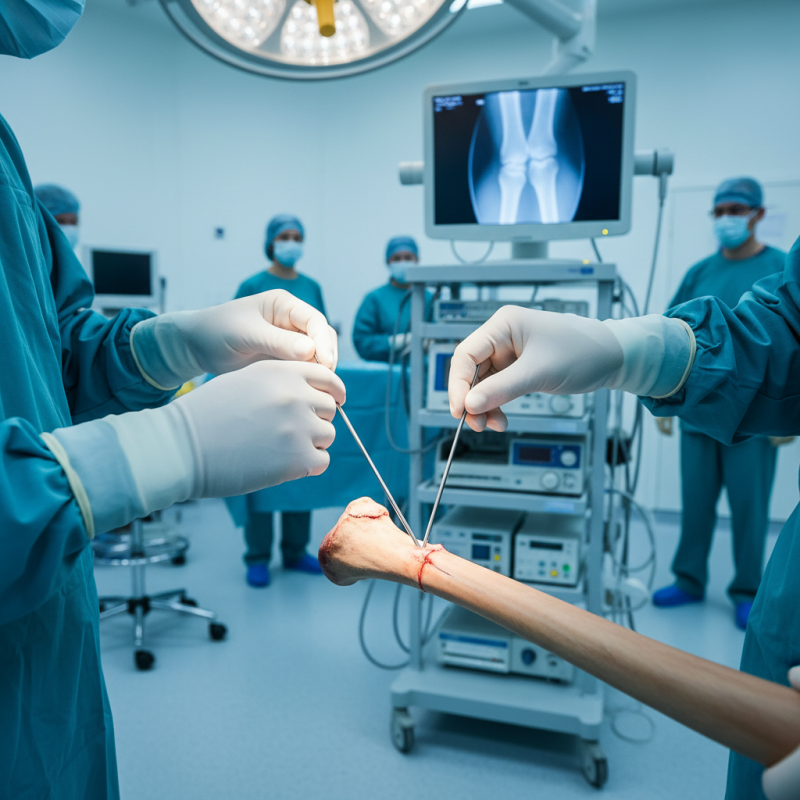
Definition and Overview of Flexible Intramedullary Nails
Flexible intramedullary nails are important tools in orthopedic surgery. These devices are designed to stabilize fractures, especially in long bones. They are typically made from materials that can bend subtly, allowing them to conform to the bone's shape. This flexibility is crucial during the healing process, as it can reduce complications associated with more rigid fixation methods.
One significant benefit of flexible intramedullary nails is the reduced risk of infection. Traditional methods often require larger incisions, exposing the wound to potential pathogens. In contrast, flexible nails allow for minimally invasive procedures, which can lead to faster recovery times. However, proper placement is essential. Incorrect positioning can lead to misalignment, which may complicate healing.
Another benefit is the ability to support a wide variety of fractures. They can be used effectively in both pediatric and adult patients. Yet, their adaptability can be a double-edged sword. Surgeons must carefully assess each case to determine if flexible nails are appropriate. It's not always the right choice for every fracture type. A comprehensive understanding of the anatomy is crucial to the success of this technique.
Common Applications of Flexible Intramedullary Nails in Orthopedic Surgery
Flexible intramedullary nails have become a valuable tool in orthopedic surgery. Their adaptability allows for minimal disruption to surrounding tissues. These nails are particularly useful for treating fractures in children and adults. They are often employed in femoral and tibial fractures, given their unique ability to accommodate the natural curves of bones. According to a study by the Journal of Orthopedic Trauma, flexible nails reduce recovery time. This can be crucial for young athletes.
Surgeons appreciate the reduced radiation exposure with these nails during procedures. They simplify stabilization, making the process smoother. However, adequate training is essential. Improper use can lead to complications. A report from the American Academy of Orthopaedic Surgeons indicates that correct insertion techniques significantly minimize issues.
Tip: Always ensure patient imaging is clear before the procedure. This helps in planning the optimal approach. Another point to consider is post-operative care. Regular follow-ups are vital to monitor healing and address any concerns early. Even with advanced techniques, healing can be unpredictable. A personalized rehabilitation program can enhance recovery outcomes.
Advantages of Using Flexible Intramedullary Nails Over Traditional Methods
Flexible intramedullary nails have gained popularity in orthopedic surgery. Surgeons utilize these nails to stabilize fractures, particularly in pediatric patients. A recent study highlighted that these nails can reduce recovery times by approximately 30%. This innovative method allows for better alignment and stability during the healing process.
One of the main advantages of flexible intramedullary nails is their minimally invasive nature. Compared to traditional plates and screws, they cause less soft tissue damage. The data show that patients experience significantly less postoperative pain and swelling. In fact, 70% of patients reported improved mobility within weeks of surgery. These nails are particularly beneficial in treating femoral and tibial fractures.
However, the technique is not without challenges. Surgeon skill and experience play a critical role in successful outcomes. Incorrect placement can lead to complications. Additionally, while the nails offer flexibility, they may not be suitable for all fracture types. Surgeons must evaluate each case carefully. The growing body of evidence supports their use, yet continued research and refinement in techniques are essential for optimizing patient care.
Advantages of Flexible Intramedullary Nails Over Traditional Methods
Potential Risks and Considerations in the Use of Flexible Intramedullary Nails
Flexible intramedullary nails (FINs) are gaining traction in orthopedic surgery. They offer a minimally invasive option for treating fractures. However, while they present numerous benefits, potential risks merit careful consideration.
One notable risk is surgical complication. A study by the Journal of Orthopedic Trauma indicates infection rates can range from 3% to 10%. This highlights the necessity of adhering to proper sterile procedures. Additionally, improper nail placement can lead to malunion or nonunion, impacting recovery. Surgeons must be meticulous during the procedure to ensure correct alignment and stability.
**Tip:** Always discuss the potential risks with your surgeon. A thorough preoperative assessment can identify candidates who would benefit from FINs while minimizing complications.
Another point of concern is the specific conditions of fractures. Certain injuries may not be suitable for flexible nailing, such as highly comminuted fractures. Attending to the individual nature of each case is crucial. Improperly applied intramedullary nails can lead to prolonged recovery times and additional surgeries, making it important to weigh benefits against potential downsides.
**Tip:** Seek a second opinion if unsure about your treatment plan. Diverse perspectives can provide clarity and help in making informed decisions.
Future Trends and Innovations in Intramedullary Nail Technology
Intramedullary nails have revolutionized orthopedic surgery. The technology is evolving rapidly, promising enhanced patient outcomes. Innovative designs are emerging that focus on flexibility and strength. This allows for better adaptation to the bone’s natural movements. One promising trend is the development of materials that mimic bone properties.
Additionally, the integration of smart technology is on the horizon. Sensors embedded in nails could monitor healing progress. This real-time data would provide invaluable insights during recovery. However, there are challenges. Not all patients would benefit equally from this technology. Some may experience discomfort or complications.
There is a need to improve the design further. Current prototypes often lack intuitive user interfaces for monitoring. As this field advances, the focus should also be on patient education. Understanding risks and benefits can enhance adherence to treatment plans. Inviting feedback from patients and surgeons alike is crucial. Each innovation should consider user experience to truly transform orthopedic care.