What is a Foam Yoga Mat and How to Choose the Best One?
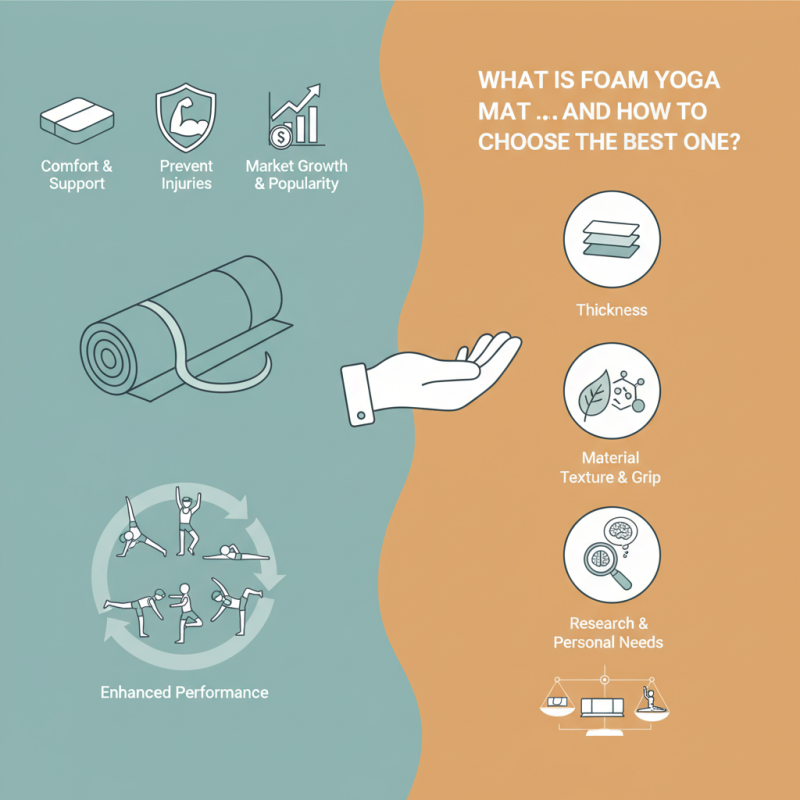
A Foam Yoga Mat is essential for enthusiasts seeking comfort and support during practice. According to a report by IBISWorld, the fitness mat market is projected to reach $1 billion by 2025, highlighting the popularity of yoga and its accessories. With numerous options available, selecting the right Foam Yoga Mat can be overwhelming.
Various factors play a role in this decision. Thickness, material, and texture can significantly affect stability and grip. A study from the International Journal of Yoga emphasizes that a quality mat can enhance performance and prevent injuries. However, many consumers overlook these details, opting for aesthetics over functionality.
As the yoga community grows, so does the challenge of choosing the best mat. Proper research is crucial. Many mats may not meet expectations once put to the test. Finding a Foam Yoga Mat that aligns with personal needs requires both knowledge and reflection on past choices.
Definition and Features of Foam Yoga Mats
Foam yoga mats are popular among practitioners for their comfort and support. These mats are typically thicker than traditional mats, providing cushioning for joints during various poses. The material is often lightweight, making it easy to transport. A foam yoga mat absorbs impact, minimizing discomfort when practicing on hard surfaces.
When selecting a foam yoga mat, consider the thickness. A thicker mat can offer more comfort, but it may also reduce stability in certain poses. The texture matters too. A non-slip surface enhances grip, preventing slips during workouts. Look for mats that are easy to clean, as hygiene is crucial in yoga practice.
**Tips:**
Try different thicknesses to find your preferred comfort level. Consider your practice style; some styles require more stability, while others prioritize cushioning. Take time to feel the texture and grip during a simple test pose in-store. This experience can influence your choice significantly. Reflect on your needs as they may change over time.
What is a Foam Yoga Mat and How to Choose the Best One? - Definition and Features of Foam Yoga Mats
| Feature |
Description |
Benefits |
| Material |
Typically made from EVA, TPE or PVC. |
Provides flexibility, comfort, and durability. |
| Thickness |
Ranges from 4mm to 12mm. |
More thickness offers better cushioning for joints. |
| Surface Texture |
Can be smooth or textured for grip. |
Enhanced grip prevents slipping during practice. |
| Weight |
Lightweight for easy portability. |
Convenient for traveling to classes or outdoor sessions. |
| Eco-Friendliness |
Some materials are recyclable or free of harmful chemicals. |
Better for the environment and personal health. |
| Price Range |
Typically between $20 to $100. |
Wide variety to fit different budgets and preferences. |
Types of Foam Yoga Mats Available on the Market
Foam yoga mats come in various types, each designed for different preferences and practices. One common type is the standard EVA foam mat. It's lightweight and provides a decent grip. Many beginners start with this option. However, it may not offer enough cushioning for advanced poses.
Another popular choice is the natural rubber mat. This type is eco-friendly and offers excellent traction. It feels more stable during challenging asanas. Some users find that it smells a bit at first, but the odor fades over time. Still, it may not suit those with latex allergies.
For individuals seeking extra comfort, thicker foam mats are available. They offer more cushioning but can be bulkier. This could make them harder to carry. Some find that they can slip during practice.
In contrast, travel mats are thinner and designed for portability. They may lack support, so users need to adapt their practice. Choosing the best foam yoga mat involves understanding personal needs and considering the trade-offs of each option.
Factors to Consider When Choosing a Foam Yoga Mat
Choosing the right foam yoga mat can be daunting. There are many factors to consider. The thickness of the mat matters. Thicker mats offer more cushioning, which is great for sensitive joints. However, they can make balancing poses more challenging. A thinner mat might provide better grip and stability.
Material is another important aspect. Foam mats come in various materials. Some are eco-friendly, while others might emit unpleasant odors. It's crucial to check for non-toxic materials that suit your preferences. If you're sensitive to chemicals, this could be a dealbreaker.
Tips: Always test the mat's grip before buying. A simple downward dog can reveal its traction. Consider trying out different surfaces. This can help you find the right balance between comfort and stability. Lastly, think about portability. If you travel often, a lighter mat may be beneficial.
Reflect on your own practice. Are you using the mat often enough to warrant a higher investment? Sometimes, the most expensive mats don’t necessarily match your needs. It’s okay to take time finding what truly works for you.
Yoga Mat Thickness Comparison
This bar chart illustrates the popularity of different thicknesses of foam yoga mats among users. The 5mm mat is the most favored, with 45% of users preferring it, while mats thicker than 8mm have significantly lower popularity.
Benefits of Using Foam Yoga Mats for Different Yoga Styles
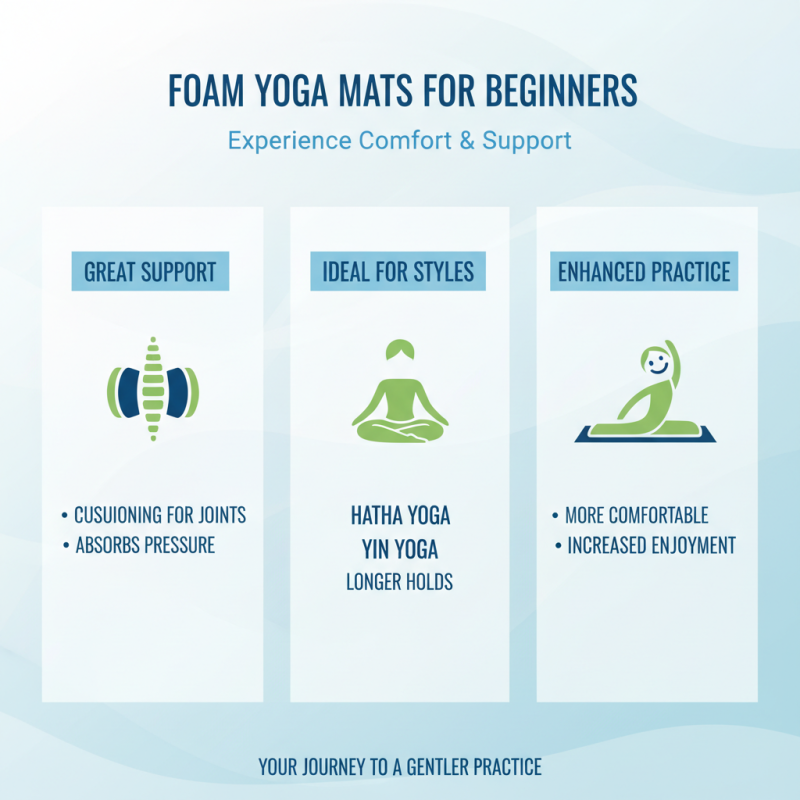
Foam yoga mats offer great support for various yoga styles. For beginners, they provide cushioning for joints during poses. This is especially useful in styles like Hatha or Yin yoga, where holding positions is common. The softness of the foam helps to absorb pressure, making practice more enjoyable.
For those engaging in more dynamic styles, such as Vinyasa or Power yoga, a foam mat offers a balance between grip and comfort. The texture of the mat can enhance stability, allowing for smooth transitions. However, if the foam is too soft, it might compromise the balance during challenging poses. It's important to choose a mat that meets your specific needs.
Different thicknesses in foam mats can affect your practice. Thicker mats feel luxurious but may hinder some movements. In contrast, thinner mats promote better ground connection but offer less cushioning. Reflect on your practice style and personal comfort to find the right balance.
Maintenance and Care Tips for Foam Yoga Mats
Caring for your foam yoga mat is essential for its longevity and hygiene. Regular cleaning can prevent the buildup of bacteria and odors. Experts suggest using a gentle, diluted solution of water and vinegar. This mixture effectively disinfects without damaging the foam. Wipe the mat with a cloth after each use. Allow it to air dry completely to avoid mold.
Store your foam yoga mat in a cool, dry place. Excessive sunlight can degrade the foam material. It’s also advised to avoid rolling the mat tightly, as this can cause creases. A mat bag can offer protection. A recent study highlighted that improperly stored mats can lose their grip and support over time, diminishing the user experience.
Moreover, practicing mindfulness during cleaning can enhance your yoga journey. Reflect on your connection with the mat while care routines. This not only maintains its quality but also fosters a sense of appreciation. A clean mat can lead to a more focused practice. Ultimately, putting in this effort ensures a better yoga experience and extends the lifespan of your mat.