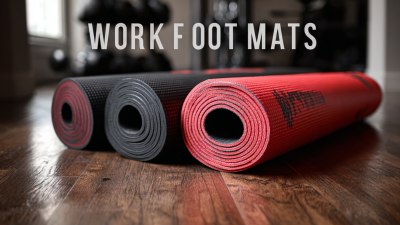
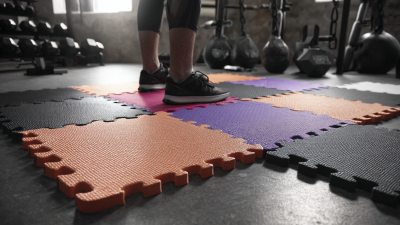
Why Are Rubber Exercise Mats Ideal for Home Workouts?
Rubber exercise mats have become increasingly popular in home workout routines. Their unique qualities make them suitable for various exercises. Many people appreciate the durability and flexibility that rubber provides. This material can absorb shock effectively, reducing the impact on joints.
Home workouts often require a safe and comfortable space. Rubber exercise mats create a perfect surface for yoga, pilates, or high-intensity training. Users enjoy the non-slip texture, as it helps maintain stability during movements. However, not all mats are created equal. Some may wear out faster than others. Researching and choosing high-quality mats can prevent such issues.
Incorporating rubber exercise mats into fitness routines can enhance performance and safety. Yet, one must ensure they select the right thickness and size. Personal preferences and workout types can influence these decisions. Ultimately, investing in a good rubber mat is about finding balance between comfort and functionality.
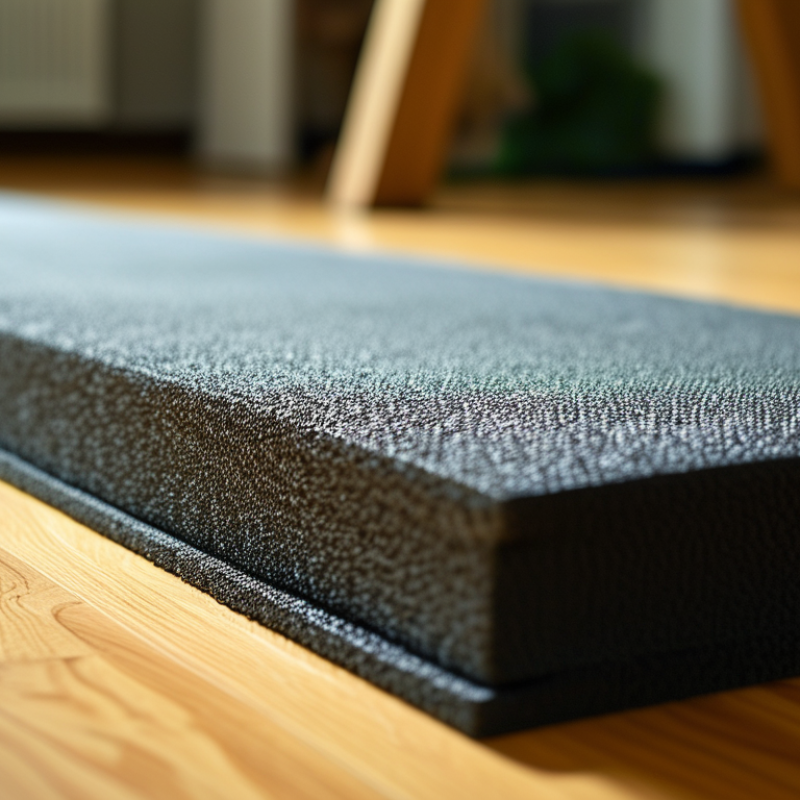
Benefits of Rubber Exercise Mats for Home Workout Environments
Rubber exercise mats provide an excellent foundation for home workouts. They offer unmatched durability and effective cushioning. This minimizes the risk of injury during physical activities. The mats reduce strain on joints, which is particularly beneficial during high-impact exercises. You can really feel the difference when performing squats or push-ups. The mat absorbs shock and provides stability, helping you maintain proper form.
Another appealing aspect is their easy maintenance. Rubber mats are usually resistant to spills and sweat. A quick wipe down is often all that’s needed to keep them clean. This practicality makes them ideal for those with a busy lifestyle. However, it's essential to ensure they are properly ventilated. Sometimes, a rubber mat can emit an odor, especially when new. This might be off-putting for some users.
Additionally, their versatility shines in various workout routines. Whether for yoga, pilates, or cardio, these mats cater to different movements. However, not every rubber mat is suitable for every type of workout. Some may be too soft, while others might not provide enough grip. It’s crucial to find one that aligns with your individual fitness needs and preferences. While they offer many benefits, reflect on your personal workout style before making a choice.
Durability and Longevity: Industry Standards for Rubber Mats
Rubber exercise mats stand out for their durability and longevity, making them ideal for home workouts. Unlike other materials, rubber can withstand heavy use without showing signs of wear. This resilience is critical for those who engage in regular, intense workouts. A high-quality rubber mat protects not just the floor but also offers stability during exercises.
In the fitness industry, materials must meet certain standards. Rubber mats are often evaluated for their compression set and rebound resilience. These factors ensure that the mats retain their original shape, even after prolonged pressure. Over time, some mats may begin to wear down—developing cracks or losing grip. This decline prompts reflection on the choice of material and maintenance routines.
Proper care can extend the life of rubber mats. Regular cleaning prevents the buildup of dirt and bacteria, which can affect performance. However, it's important to note that not all rubber mats are created equal. Investing in a mat that meets industry standards is crucial. Balancing cost with quality can be challenging, yet it pays off in the long run. Exploring user reviews and expert recommendations can lead to better choices.
Durability and Longevity of Rubber Exercise Mats
Non-Slip Properties: Enhancing Safety During Workout Sessions
When engaging in home workouts, safety is paramount. Non-slip properties of rubber exercise mats play a critical role in creating a secure environment. According to a 2022 study by the National Safety Council, nearly 30% of injuries during exercise are due to slips and falls. Rubber mats mitigate this risk effectively. Their textured surface increases friction, providing stability whether you’re performing yoga or high-intensity interval training.
Furthermore, rubber mats offer excellent shock absorption. This feature not only protects your joints but also enhances your grip. A research report published in the Journal of Sports Science described how mats with superior grip reduce slip-related incidents by over 40%. The cushioning effect also allows for a more comfortable experience, making it easier to maintain workout consistency. Without proper mats, even seasoned athletes can find themselves vulnerable to unexpected slips.
However, not all rubber mats are created equal. Some low-quality mats may lose their non-slip capabilities over time. Regular cleaning helps maintain their effectiveness. Inspect your mat frequently for any signs of wear. Sturdiness is essential, but so is awareness. Recognizing when a mat is becoming less effective is crucial for preventing injuries during your workouts.
Shock Absorption: Protecting Joints and Reducing Injury Risk
Rubber exercise mats are essential for anyone embracing home workouts. They provide excellent shock absorption, which is crucial for protecting your joints. Each movement we make during exercises can create force. This force can lead to strain if not properly buffered. A quality mat helps in dissipating that impact.
When doing high-impact workouts, like jumping or running in place, your knees and ankles bear the brunt. This can result in injuries over time. A rubber mat acts like a barrier between your body and the hard floor. It reduces the compression felt in those vulnerable areas. Without this layer of protection, you might find yourself nursing sore joints after every workout.
However, not all home spaces are ideal for a perfect workout. Some surfaces may not suit every type of exercise mat. Uneven flooring might prevent the mat from lying flat, causing slips or instability. It's important to assess your workout area to ensure safety. While rubber mats are beneficial, maintaining awareness of your environment can enhance your workout experience.
Why Are Rubber Exercise Mats Ideal for Home Workouts?
| Feature |
Description |
Benefits |
| Shock Absorption |
Rubber mats provide cushioning that absorbs impact during workouts. |
Helps protect joints from stress and reduces the risk of injury. |
| Durability |
Made from strong materials that withstand wear and tear. |
Long-lasting, making them a cost-effective option for home gyms. |
| Non-Slip Surface |
Textured surface to provide grip during exercises. |
Enhances safety by reducing the likelihood of slipping. |
| Easy to Clean |
Water-resistant and easy to wipe down after workouts. |
Maintains hygiene in workout areas. |
| Versatility |
Suitable for a variety of workouts including yoga, pilates, and more. |
Accommodates different exercise styles and preferences. |
Easy Maintenance: Cleaning Guidelines for Rubber Exercise Mats
Rubber exercise mats are popular for home workouts due to their durable nature and comfort.
However, without proper maintenance, even the best mats can lose their appeal. Cleaning rubber mats might seem simple,
but it comes with specific guidelines to ensure their longevity.
To clean your rubber exercise mat, start by using a soft cloth or sponge with mild soap.
Avoid harsh chemicals, as these can damage the surface. Wipe down the entire mat,
making sure to get into the corners where dirt may accumulate. Rinse the mat thoroughly with water to remove any soap residue.
For tougher stains or odors, a mixture of vinegar and water can be effective.
Spray this solution lightly and wipe it down immediately. Remember to air dry the mat completely after cleaning
to prevent mold growth. Regular cleaning and proper drying will help maintain the mat's integrity
and hygiene, ensuring it continues to support your fitness journey effectively.