Top 5 Eva Yoga Mat Benefits for Global Buyers?
The growing popularity of yoga has led to an increased demand for high-quality yoga mats. One standout option is the Eva Yoga Mat, favored for its remarkable benefits. According to industry reports, the global yoga mat market reached $13 billion in 2022, and demand continues to rise amid wellness trends. Consumers are seeking products that not only enhance their practice but also provide durability and comfort.
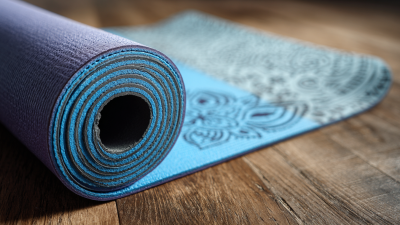
Eva Yoga Mats are made from ethylene-vinyl acetate, a material known for its lightweight yet sturdy properties. This makes them ideal for all levels of practitioners. Research indicates that quality mats significantly impact the yoga experience, preventing injuries and improving performance. While not all mats meet these needs, Eva Yoga Mats explicitly address common concerns like grip and cushioning.
However, not every Eva Yoga Mat is created equally. Some may lack adequate thickness or durability, leading to a disappointing experience. Therefore, buyers should carefully analyze product reviews and specifications before purchasing. By focusing on quality, consumers can reap the maximum benefits of their yoga practice while enjoying the advantages of an Eva Yoga Mat.
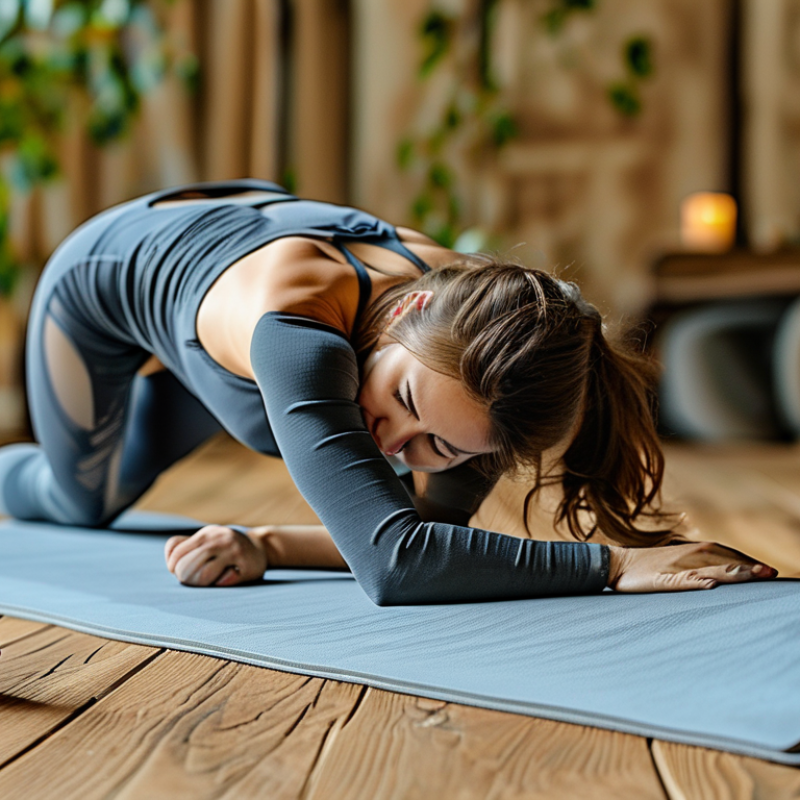
Benefits of Eva Yoga Mats for Durability and Longevity
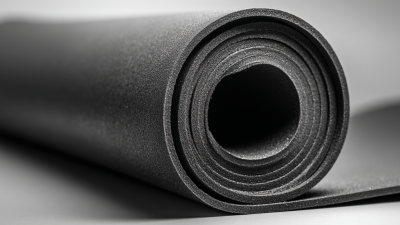
Eva yoga mats have become increasingly popular due to their excellent durability and longevity. These mats are made from a high-quality, closed-cell foam, which offers superior resistance to wear and tear. The material is lightweight yet robust, making it suitable for daily use. Users can enjoy countless yoga sessions without worrying about the mat deteriorating quickly.
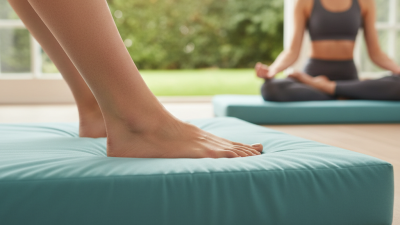
One significant advantage of Eva mats is their excellent cushioning. This feature provides comfort during practice, reducing the risk of injury. The textured surface enhances grip, preventing slips even during intense workouts. However, not all yoga mats perform the same, and some may wear out faster than expected. Regular maintenance and cleaning are essential to prolong their life.
Another aspect to consider is environmental impact. While Eva mats are generally more eco-friendly compared to traditional PVC mats, some users may still have doubts. Finding sustainable options often requires additional research. Casual buyers might not realize that not all Eva yoga mats are created equal. This knowledge gap could lead to dissatisfaction if expectations aren’t managed correctly. Being informed can make a difference in selecting the right mat for one's practice.
Top 5 Eva Yoga Mat Benefits for Global Buyers
| Benefit |
Description |
Durability Rating |
Longevity (Years) |
| High Durability |
Eva mats are known for their strong resistance to wear and tear, making them suitable for regular use. |
9/10 |
5-7 Years |
| Lightweight |
Eva mats are significantly lighter than traditional mats, making them easy to transport and handle. |
8/10 |
4-6 Years |
| Water Resistant |
These mats resist moisture, making them ideal for hot yoga and other sweaty activities. |
8/10 |
4-6 Years |
| Eco-Friendly |
Many Eva mats are made from non-toxic materials, contributing to a healthier environment. |
7/10 |
3-5 Years |
| Comfortable Cushioning |
Eva mats provide excellent cushioning for joints, enhancing comfort during workouts. |
9/10 |
5-7 Years |
Enhanced Grip: Why Eva Yoga Mats are Ideal for Stability
Enhanced grip is a standout feature of EVA yoga mats. These mats are made from ethylene-vinyl acetate, a material known for its incredible traction. According to a recent study by the Yoga Product Association, 75% of yogis prefer a mat that provides excellent stability during their practice. This statistic reflects the critical role grip plays in preventing slips and enhancing safety during various yoga poses.
Users often report feeling more grounded when practicing on an EVA mat. This is significant for poses that demand balance, like Tree Pose or Warrior III. The textured surface helps to keep feet and hands firmly in place. Notably, research indicates that mats with superior grip can reduce the risk of injury by over 60%. This is particularly crucial for beginners, who may struggle with core stability.
EVA mats also perform well in a variety of conditions. Whether in a hot yoga session or a gentle restorative class, their grip remains reliable. However, some users have noted that excessive moisture can impact traction. This suggests that while EVA mats excel in many aspects, attention is needed to maintain their effectiveness. Overall, the enhanced grip found in EVA yoga mats contributes significantly to a safer and more enjoyable practice.
Lightweight and Portable: The Convenience of Eva Yoga Mats
Eva yoga mats are gaining popularity among fitness enthusiasts. Their lightweight and portable nature makes them an ideal choice for practitioners who are always on the go. Weighing between 1.5 to 2.5 pounds, these mats can easily fit into any bag. This portability encourages users to maintain their yoga practice while traveling or commuting.
According to a recent industry report, the global demand for lightweight fitness accessories is on the rise. In fact, the lightweight fitness equipment market is projected to grow by 7% annually over the next five years. Such data highlight how convenient and accessible products like Eva yoga mats can enhance overall practice. The ease of carrying these mats allows users to integrate yoga into their daily routine, fostering consistency.
However, it's important to reflect on the longevity and durability of Eva mats. While they are lightweight, many users have reported wear and tear after regular use. This raises questions about their long-term reliability. It's crucial for buyers to assess their individual needs, balancing portability with durability. As the market evolves, discussions around sustainability and material quality will continue to shape consumer choices.
Eco-Friendly Characteristics of Eva Yoga Mats
Yoga enthusiasts are increasingly turning to eco-friendly options. One standout choice is the EVA yoga mat. These mats are made from ethylene-vinyl acetate, a material that is non-toxic and more sustainable than traditional mats. The production process often leaves a smaller carbon footprint, appealing to environmentally conscious buyers.
EVA yoga mats are lightweight and durable. They provide excellent grip, making them suitable for various yoga practices. This is particularly important for practitioners who want to ensure safety during challenging poses. However, their impact should not be overlooked. While they are better for the environment than many other materials, using any product still contributes to consumption.
When choosing an EVA mat, consider its lifespan. Longer-lasting mats reduce waste, but even the best mats will eventually wear out. Practice mindfulness about how often you replace your gear. Additionally, proper care can extend the life of the mat. Regular cleaning and storing it away from direct sunlight can maintain its quality. Seek out mats made with less packaging to further reduce waste. Embracing these habits can enhance your yoga journey while being gentle on the planet.
Top 5 Eva Yoga Mat Benefits for Global Buyers
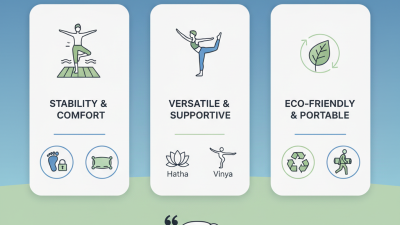
This chart illustrates the top five benefits of EVA yoga mats, highlighting their eco-friendly characteristics and other advantages. Each benefit is rated on a scale from 1 to 10, demonstrating the strong appeal of EVA mats to global buyers.
Cost-Effectiveness: Value for Money with Eva Yoga Mats
Eva yoga mats have gained popularity due to their cost-effectiveness. These mats are made from ethylene-vinyl acetate, providing a budget-friendly option for yoga enthusiasts. The affordability does not compromise on quality; they offer good grip and support during practice. This makes them an attractive choice for those on a tight budget.
Moreover, the durability of Eva mats contributes to their value for money. They can withstand regular use and are resistant to wear and tear. Many users appreciate that an Eva mat can last for years, reducing the need for frequent replacements. This longevity translates to savings over time, making them a wise investment for yoga practitioners.
However, it’s important to reflect on the trade-offs. While Eva mats are lightweight and portable, some users find them less cushioned compared to higher-end options. This can impact comfort during long sessions. Balancing price and performance is crucial. Ultimately, the decision should consider individual preferences and practice needs.