Top 10 Foam Yoga Mats for Global Buyers in 2026?
In recent years, the popularity of the Foam Yoga Mat has surged. According to industry reports, the global yoga mat market is forecasted to grow at a CAGR of 9.1% from 2021 to 2026. This growth reflects a growing awareness of health and wellness. Consumers prioritize comfort and support during their practice. This is where the foam material excels.
Foam Yoga Mats offer cushioning, which is ideal for joints. Additionally, they are lightweight and portable, making them an excellent choice for yoga enthusiasts on the go. However, not all foam mats are created equal. Buyers must consider thickness, density, and texture. Ignoring these factors could lead to discomfort and poor performance. Research shows that thicker mats tend to provide more stability but may be less portable.
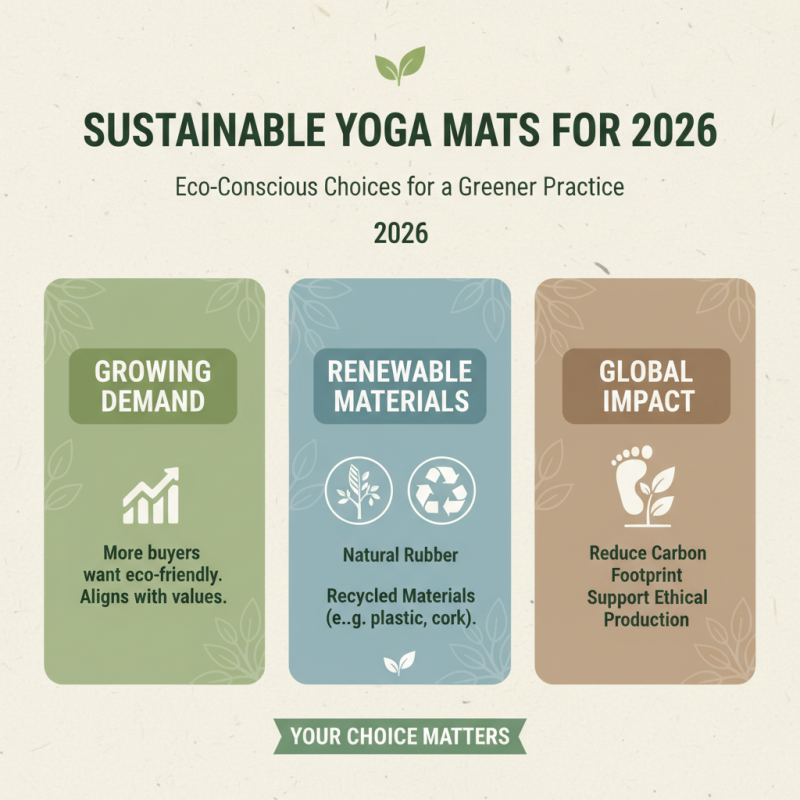
Furthermore, sustainability is a growing concern in the industry. Eco-friendly foam mats are becoming more available. Buyers should reflect on the environmental impact of their choices. Quality varies widely, and consumer reviews are essential for making an informed decision. Recognizing the importance of these factors can enhance the yoga experience significantly. Thus, selecting the right Foam Yoga Mat is not just a matter of preference; it is crucial for a fulfilling practice.
Key Factors to Consider When Choosing Foam Yoga Mats
Selecting the right foam yoga mat can significantly enhance your practice. Comfort and stability are crucial. Look for mats that offer adequate cushioning without compromising grip. A thicker mat may feel more comfortable, but it can reduce stability. Test different thicknesses to find your perfect balance.
Material is another vital consideration. Most foam mats are made from various materials like PVC, TPE, or natural rubber. Each has distinct properties. PVC mats tend to be durable and offer great grip, while TPE mats are eco-friendly but may wear out faster. Understanding these differences helps in making a wise choice.
Weight can also impact portability. A heavier mat provides more stability but can be cumbersome to carry. Conversely, a lightweight mat might be easy to transport but may lack durability. Assess your lifestyle; if you travel frequently, a lightweight option might be preferable, even if it sacrifices some comfort. Always remember your unique needs during your selection process.
Top 10 Foam Yoga Mats for Global Buyers in 2026
| Rank |
Material |
Thickness (mm) |
Weight (kg) |
Price Range ($) |
Eco-friendly |
| 1 |
NBR Foam |
10 |
1.5 |
30 - 50 |
Yes |
| 2 |
TPE |
6 |
0.9 |
25 - 45 |
Yes |
| 3 |
PVC |
5 |
1.2 |
20 - 40 |
No |
| 4 |
Ethylene Vinyl Acetate (EVA) |
8 |
1.0 |
15 - 35 |
Yes |
| 5 |
Rubber |
10 |
2.0 |
40 - 60 |
Yes |
| 6 |
Natural Cork |
6 |
1.3 |
35 - 55 |
Yes |
| 7 |
Jute |
4 |
1.1 |
30 - 50 |
Yes |
| 8 |
Recycled Materials |
6 |
1.2 |
20 - 40 |
Yes |
| 9 |
Polyurethane (PU) |
5 |
1.0 |
25 - 45 |
No |
| 10 |
Microfiber |
3 |
0.8 |
15 - 25 |
No |
Top Foam Yoga Mat Brands to Watch in 2026
As we look ahead to 2026, several foam yoga mat brands are emerging as leaders in the market. According to industry analysis, the global yoga mat market is projected to reach $18 billion by 2026, driven by increasing health awareness. The demand for eco-friendly and versatile foam materials is at an all-time high, compelling manufacturers to innovate continuously.
One notable trend is the use of sustainable materials. Reports show that 75% of consumers prefer mats made from recycled components. This shift is pushing brands to adopt greener practices while maintaining durability and comfort. However, not all brands meet these expectations. The challenge lies in balancing eco-friendliness with performance—a critical area for consumers to consider.
Moreover, while many brands boast superior grip and cushioning, user reviews often highlight inconsistencies in quality. Up to 40% of users report dissatisfaction regarding mat longevity. This discrepancy raises questions about material sourcing and production practices. Potential buyers should reflect on their options carefully. It's essential to investigate not just the marketing but also the real-world performance of foam mats.
Comparison of Materials Used in Foam Yoga Mats
When it comes to foam yoga mats, material choice plays a critical role in performance and user satisfaction. A key material often examined is PVC, known for its durability and excellent grip. However, recent reports show that around 60% of yoga practitioners prefer sustainable options. Alternatives like natural rubber are gaining traction due to their eco-friendliness and superior cushioning.
Foam density is another crucial factor. Denser foam provides better support, which can enhance stability during various poses. A study highlighted that yoga mats with a density range of 3 to 5 pounds per cubic foot are preferred for most users. This density strikes a balance between comfort and support. Yet, some mats may still lack traction, leading to slips.
Another area of concern is the use of non-toxic materials. Many manufacturers are now moving towards phthalate-free and latex-free options. Reports indicate that around 80% of users express concerns over chemicals in their mats. This shift reflects a growing awareness of health and environmental impacts. However, not all mats labeled as "eco-friendly" deliver on these promises, which necessitates careful research by buyers.
User Reviews and Ratings: Insights on 2026 Foam Yoga Mats
As buyers turn their focus to foam yoga mats in 2026, user reviews provide a wealth of insights. Many users appreciate mats that offer excellent grip and cushioning. The right texture can enhance stability during challenging poses, while adequate padding protects sensitive joints. Feedback reveals that thickness plays a crucial role, with some preferring a plush feel, while others gravitate toward a firmer surface.
However, not all experiences are positive. Some users report that certain mats may wear down quickly, losing their grip over time. Durability seems to vary by brand and material. Additionally, portability is often highlighted, with some mats being too bulky for easy transport. Users often express a desire for more eco-friendly materials, pointing to a growing awareness of sustainability in their choices.
Finding the perfect foam yoga mat can involve a trial-and-error process. Individual needs vary significantly, and what works for one person may not suit another. Many users recommend testing mats before making a purchase. This personalized approach can lead to better satisfaction in the long run, as comfort and usability differ among practitioners.