2026 Top Rubber Exercise Mats for Your Fitness Needs?
Choosing the right Rubber Exercise Mats can significantly enhance your workout experience. These mats offer support, cushioning, and stability, making them essential for various exercises. Whether you engage in yoga, strength training, or high-intensity workouts, the right mat can improve your performance and safety.
In 2026, several Rubber Exercise Mats stand out for their quality and versatility. Some offer extra grip for dynamic movements, while others focus on comfort for floor-based exercises. It's essential to consider your specific fitness needs and preferences when selecting a mat. A quality mat can last years, so investing wisely is crucial.
However, not all mats are created equal. Some users report mats that wear out too quickly or lack adequate cushioning. It's important to read reviews and gather insights from professionals before making a purchase. Balancing quality and budget will help you find the best option for your fitness journey.
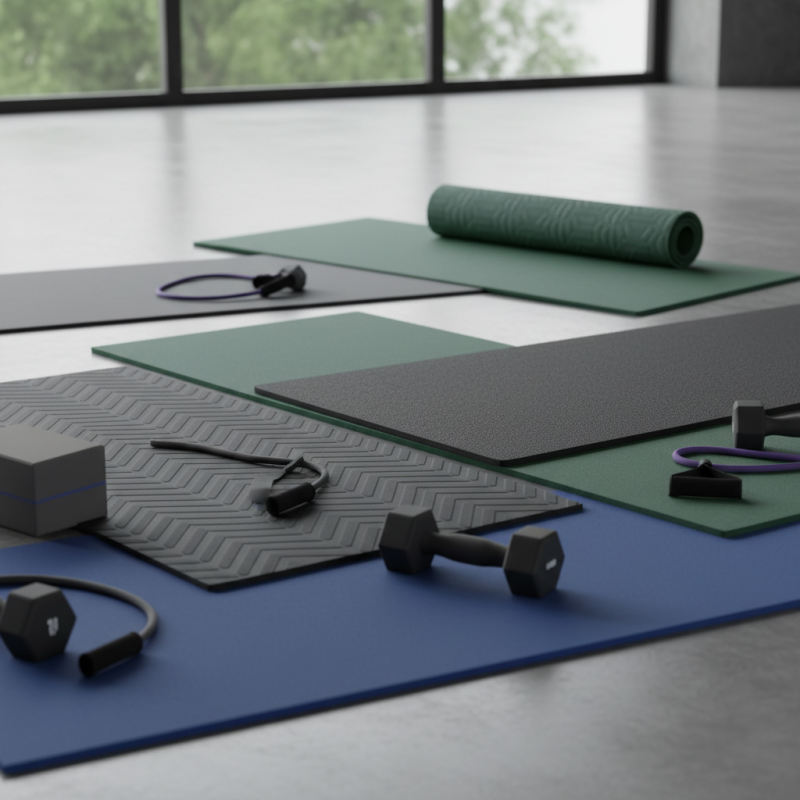
Top Features to Look for in Rubber Exercise Mats
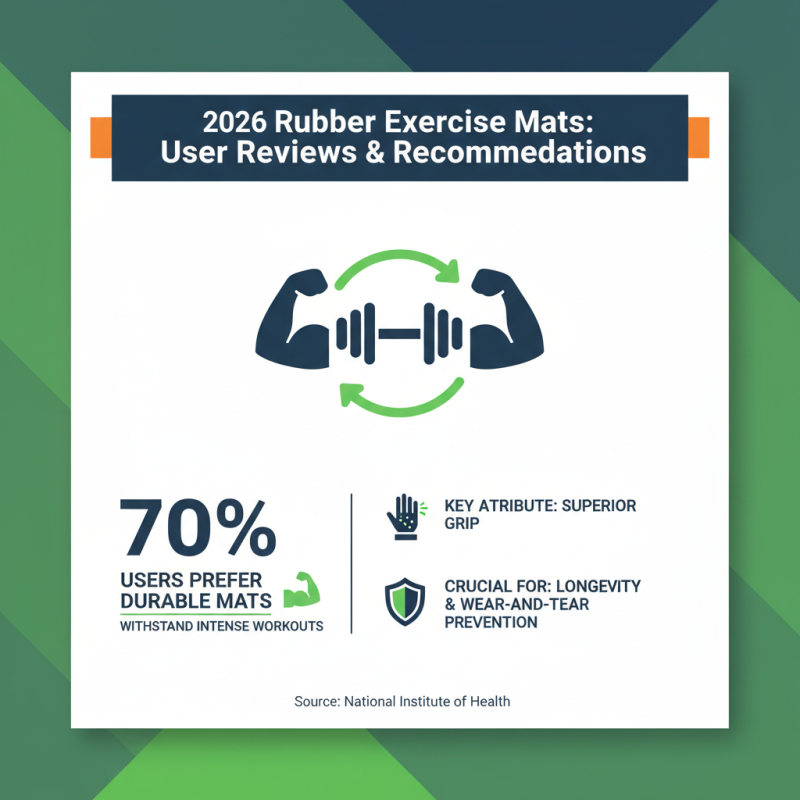
When searching for the ideal rubber exercise mat, several key features should guide your choice. Durability is paramount. A quality mat must withstand rigorous workouts without showing signs of wear. Look for materials that resist degradation from sweat and moisture. This ensures longevity and reliability, especially if your routine involves high-intensity exercises.
Another critical feature is grip. A good mat should provide a non-slip surface, enhancing your safety during workouts. This is essential, particularly for activities like yoga or high-impact training. Furthermore, consider thickness. A thicker mat offers more cushioning, which can protect your joints. However, too much thickness can compromise stability during balance exercises. It’s a delicate balance to achieve.
Weight and portability are also worth considering. If you plan to move your mat frequently, a lightweight option can save you hassle. Conversely, heavier mats may provide better stability. Reflect on your specific needs and workout types. While selecting the right mat can be daunting, paying attention to these details will help you find a suitable option for your fitness goals.
2026 Top Rubber Exercise Mats for Your Fitness Needs
This chart displays the top five features to consider when selecting rubber exercise mats for your fitness needs. Each feature is rated on a scale from 1 to 10, providing a quick visual reference for comparison.
Benefits of Using Rubber Exercise Mats for Workouts
Rubber exercise mats offer numerous benefits that can enhance your workout experience. One major advantage is their exceptional grip, which minimizes the risk of slipping during high-intensity workouts. According to the International Journal of Sports Medicine, using mats with a textured surface can reduce slip incidents by up to 70%. This feature is crucial for safety, especially for activities like yoga or plyometrics.
Additionally, rubber mats provide excellent shock absorption. They can help reduce the impact on joints during exercises such as weightlifting or jumping. A report from the Journal of Strength and Conditioning Research highlights that the right mat can decrease joint stress by approximately 50%. This reduction can lead to lower injury rates and allow users to maintain their fitness routines longer.
However, not all mats are created equal. Some rubber mats may wear out quickly or emit unpleasant odors. Users should consider factors like density and thickness for longevity. It’s essential to invest time in researching various options and choosing a mat that aligns with your specific workout needs. Remember, the right mat can play a vital role in achieving your fitness goals, but it requires careful consideration and reflection.
Comparison of Popular Rubber Exercise Mats on the Market
When looking for rubber exercise mats, it's essential to understand their varying features. Many mats differ in thickness, texture, and durability. Thicker mats provide better cushioning, which is ideal for high-impact workouts. However, they may be bulkier and less portable. On the other hand, thinner mats offer greater stability but less comfort.
Rubber mats also come in various textures. A textured surface can help prevent slipping during dynamic movements. Smooth mats are easier to clean but might not provide the grip needed during intense exercises. The durability of the mat is crucial, especially if you plan to use it daily. Consider materials that are resistant to wear and tear, ensuring a long lifespan.
Tips: Always check the mat’s weight and portability. If you travel for workouts, a lightweight option is a better choice. Examine the mat’s cleaning instructions. Some require special care, while others are almost maintenance-free. A well-chosen mat not only enhances workouts but also protects your joints. Think about your specific needs before making a decision.
Maintenance Tips for Longevity of Rubber Exercise Mats
Proper maintenance of rubber exercise mats can significantly extend their lifespan. According to a 2021 industry report by the International Journal of Exercise Science, regular cleaning can enhance durability by up to 30%. This is essential, as sweat and dirt can gradually degrade the material. For cleaning, a simple solution of mild soap and water works well. Avoid harsh chemicals, as these can break down the rubber's integrity.
Storage also plays a vital role in mat longevity. Mats should be kept away from direct sunlight, which can cause fading and cracking. A 2022 survey by the Fitness Equipment Association revealed that mats stored improperly showed signs of wear much sooner than those stored correctly. Rolling your mat rather than folding it can prevent unnecessary creases and damage.
Many users overlook the importance of regular inspection. Periodically check for signs of wear, such as tears or discoloration. Addressing these issues early can prevent further damage. While rubber mats are robust, neglect can lead to a decrease in their performance and safety. Consider creating a maintenance schedule to stay on top of these tasks. This simple practice can ensure your equipment remains safe and effective for your workouts.
2026 Top Rubber Exercise Mats for Your Fitness Needs
| Mats Type |
Thickness (inches) |
Dimensions (ft) |
Weight (lbs) |
Price ($) |
Maintenance Tips |
| Standard Rubber Mat |
0.5 |
4 x 6 |
15 |
45 |
Clean with mild soap and water |
| Interlocking Rubber Tiles |
0.75 |
3 x 3 |
8 |
30 |
Vacuum regularly and wipe with a damp cloth |
| High-Density Mat |
1 |
6 x 4 |
20 |
60 |
Store in a cool, dry place |
| Eco-Friendly Natural Rubber Mat |
0.6 |
5 x 2 |
10 |
50 |
Avoid exposure to direct sunlight for long periods |