Why Choose Foam Floor Mats for Global Buyers?
For global buyers, choosing a Foam Floor Mat involves more than comparing prices. It means evaluating comfort, durability, safety, packaging, and long-distance shipping requirements. A mat used in a children’s room needs different performance from one installed in a gym, workshop, or temporary exhibition space. Material density matters. So does surface texture.
Maya Chen, a flooring materials engineer with experience evaluating resilient flooring products, says, “A reliable foam mat should protect the user, remain stable under pressure, and perform consistently after transport.” Her point is practical. Buyers should request density data, thickness measurements, slip-resistance information, and independent testing where available. They should also check whether the Foam Floor Mat produces strong odors after opening. That detail is often ignored.
The material can be EVA, XPE, rubber-foam, or a blended formulation. Each option has trade-offs. EVA usually feels resilient and lightweight. XPE may offer useful cushioning and moisture resistance. No material is perfect. Some mats flatten faster than expected, while others feel too firm for floor exercises. Global sourcing adds further questions, including carton strength, pallet efficiency, color consistency, and replacement availability.
A careful buyer should test samples on the actual floor. Check curling edges. Measure recovery after repeated compression. Inspect the surface after cleaning. These small actions reveal more than polished product photos. Foam Floor Mat selection becomes dependable when comfort claims are supported by measurable evidence, realistic use tests, and clear supplier communication. Mistakes still happen, especially when buyers focus only on unit cost. That is why performance should be reviewed before purchase, not after installation.
What Are Foam Floor Mats and How Do They Work?
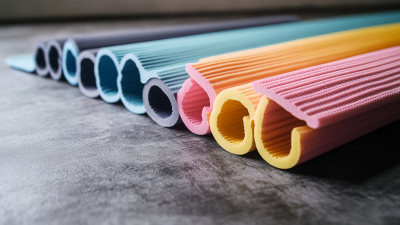
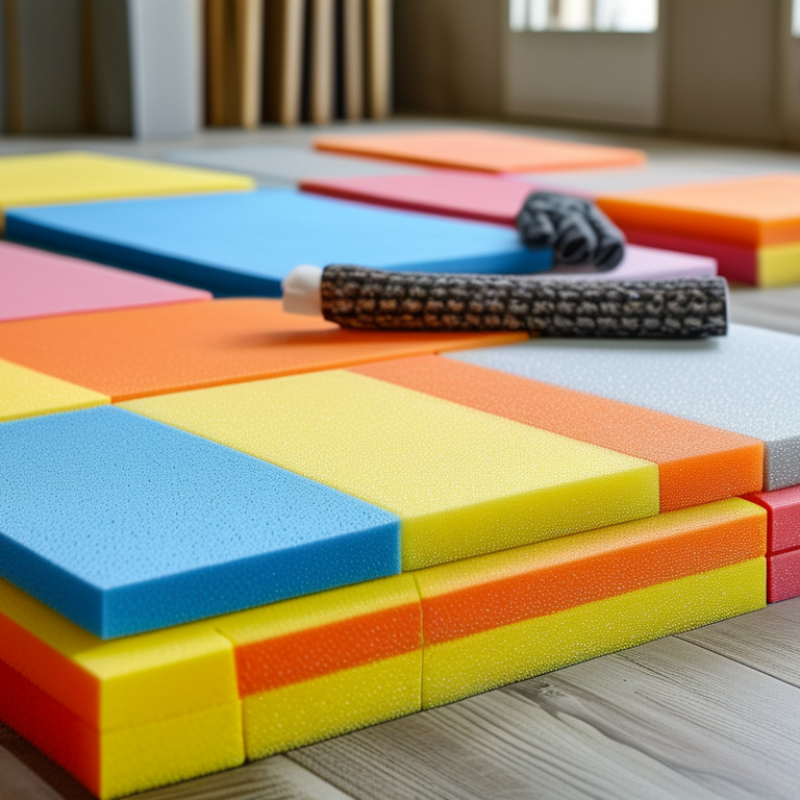
Foam floor mats are lightweight panels made from materials such as EVA or XPE foam. Their closed-cell structure contains many tiny air pockets. These pockets compress under pressure and recover when the load is removed. The mat spreads impact across a wider area, reducing direct stress on knees, feet, and dropped objects. It also creates a softer barrier over concrete, tile, or wooden floors.
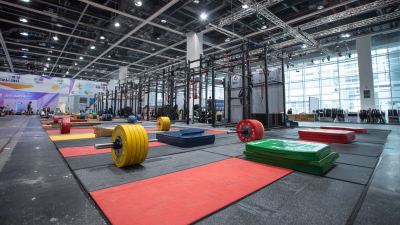
For global buyers, this function matters in homes, gyms, play areas, workshops, and temporary exhibition spaces. Interlocking edges can form larger surfaces without adhesives. Textured tops improve grip, while foam thickness affects comfort, stability, and floor protection. Thicker is not always better. Excessive softness may make standing equipment feel unstable. In my experience, surface texture and density often matter more than appearance, although this is easy to overlook.
Tips: Check density, thickness, dimensions, odor, and edge accuracy before ordering. Ask for material data and sample pieces when possible. Test the mat under the intended load, especially with racks or heavy furniture. Confirm cleaning requirements and temperature limits. Product performance can vary between batches. That detail deserves attention. Avoid assuming that water-resistant foam is completely waterproof, and verify applicable safety requirements for your destination market.
What Benefits Make Foam Floor Mats Suitable for Different Markets?
Why Choose Foam Floor Mats for Global Buyers?
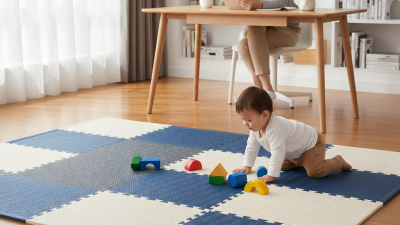
Foam floor mats suit different markets because they combine cushioning, portability, and simple installation. In childcare spaces, their soft surface can reduce impact during crawling or play. Fitness studios use them to support knees, absorb noise, and protect floors from dropped equipment. In homes, interlocking tiles create a warmer surface over concrete or ceramic flooring.
Global buyers also value efficient shipping. Foam mats are lightweight, stackable, and often easy to trim or replace. Modular designs help retailers, gyms, and temporary venues expand coverage without changing the entire floor. Different climates need different considerations. Humid regions may require closed-cell foam, while colder markets may prioritize insulation. Local fire, slip-resistance, and material regulations must always be checked before purchase.
They are not perfect. Wet surfaces can become slippery, and poorly aligned edges may lift over time. I have seen both problems develop when installation instructions were ignored.
Tips: Check foam density, thickness, edge fit, and cleaning needs. Request samples before placing a large order. Test the mat under local temperature and humidity conditions. Dark colors can show dust quickly. Light colors may reveal stains sooner. A practical choice depends on daily use, not appearance alone.
How Should Buyers Evaluate Quality, Safety, and Compliance?
Why Choose Foam Floor Mats for Global Buyers?
How Should Buyers Evaluate Quality, Safety, and Compliance?
A reliable evaluation starts with a physical sample, not a product photograph. Check thickness across several points, because uneven foam can create unstable joints. Press the surface repeatedly and observe its recovery time. A strong mat should regain its shape without deep, permanent marks. Inspect the edges, too. Poorly cut edges may separate after frequent assembly and cleaning.
Safety requires more than a low-odor sample. Ask for material specifications, restricted-substance declarations, and test reports from competent, independent laboratories. Depending on the destination market, buyers may need evidence related to chemical limits, flammability, slip resistance, or children’s product requirements. Requirements differ by country. Never treat one certificate as universal approval. It is an easy mistake.
Compliance also depends on traceability. Request batch numbers, production dates, inspection records, and clear packaging information. Confirm that the tested material matches the shipped material. In practice, colorants, surface films, and recycled content can change performance between batches. I have seen attractive samples fail closer inspection because the seams opened after washing. That experience makes small trial orders valuable. Test the mats on hard floors, near moisture, and under repeated foot traffic. Record failures honestly. A supplier’s willingness to discuss weaknesses often reveals more than polished sales language.
What Factors Affect Sourcing, Shipping, and Long-Term Value?
Why Choose Foam Floor Mats for Global Buyers?
Foam floor mats can look simple, but international sourcing is a cost-and-risk calculation. Material choice matters: EVA usually offers resilient cushioning, while lower-density foam may compress faster under shelving or exercise equipment. Ask for density, thickness tolerance, compression-set results, odor testing, and batch samples. Do not trust color alone.
Shipping changes the equation. The UNCTAD Review of Maritime Transport 2024 reports that seaborne trade reached about 12.3 billion tonnes in 2023. That scale does not make every shipment efficient. Foam is lightweight but bulky, so carton dimensions, nesting, pallet height, and container utilization can outweigh unit price. The World Bank’s 2023 Logistics Performance Index evaluates customs, infrastructure, tracking, and timeliness. These factors can alter landed cost and replenishment risk. Request a carton cube, gross weight, loading plan, and realistic transit buffer before ordering. Small detail. Big difference.
Long-term value depends on performance, not softness at delivery. Compare surface wear, edge stability, water absorption, cleaning resistance, and odor after ventilation. ASTM test methods can support impact and physical-property checks, but buyers should confirm the correct standard for each intended space. Grand View Research projects continued growth in the global flooring market, yet broad growth does not prove one mat will last longer. A sample may pass inspection and still fail at seams after months of rolling loads. That is the uncomfortable part. Run a pilot installation, photograph high-use zones, and review replacement rates after 60 to 90 days. Perfect forecasts are rare; documented evidence is better.
Why Choose Foam Floor Mats for Global Buyers?
Representative material density and calculated 10 mm mat weight
Lower-density foams can reduce product weight and handling costs, while closed-cell structures such as EPE, EVA, and XPE generally offer strong moisture resistance for international distribution. However, freight is also affected by packed volume, compression, carton design, and container utilization. For long-term value, global buyers should request verified data for compression set, abrasion resistance, dimensional stability, and water absorption. The values shown are representative industry figures; actual performance varies by formulation, thickness, and manufacturing process.
Weight calculation: density × 0.01 m thickness. Technical evaluation should follow applicable cellular-material test methods such as ASTM D3575 or equivalent regional standards.