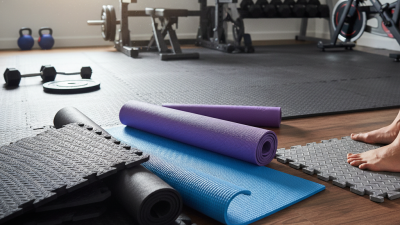
Best Workout Floor Mats Tips for Home Gym Setup?
Creating a home gym can be an exciting yet challenging task. One essential aspect of this setup is choosing the right workout floor mats. These mats provide comfort, safety, and protection for both your flooring and your body. With the increasing popularity of home workouts, selecting the best mats is crucial for a successful fitness routine.
Workout floor mats come in various materials and styles, each with specific benefits. For instance, some mats offer superior cushioning, while others provide better traction. It's important to consider your workout type when choosing mats. High-impact exercises may require thicker mats for added support. Additionally, aesthetics can play a role; you want your gym to be an inviting space.
Many people overlook the importance of quality when selecting workout floor mats. Cheap options might save money, but they often lack durability. Investing in better mats can enhance your workout experience and promote safety. Reflecting on your gym environment can lead to better motivation and results. Ultimately, the right workout floor mats can transform your home gym into a space of efficiency and enjoyment.
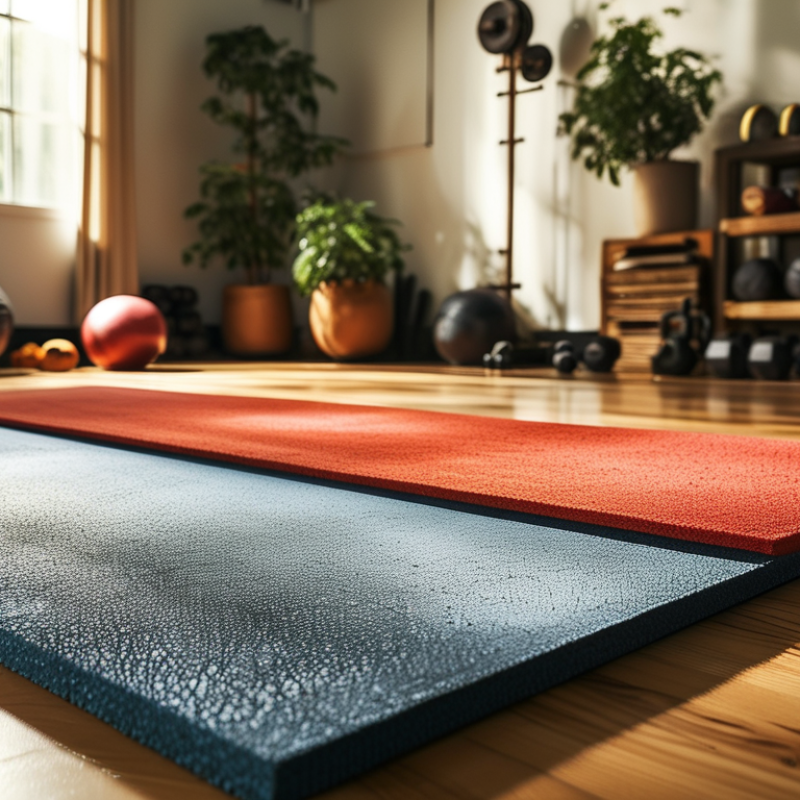
Choosing the Right Material for Your Workout Floor Mat
Choosing the right material for your workout floor mat is crucial for your home gym. Consider options like rubber, foam, and vinyl. Each has unique benefits and drawbacks. Rubber is durable and ideal for weightlifting. It absorbs shock and provides excellent traction. However, it can be heavy and may emit an odor initially.
Foam mats are softer and great for stretching or yoga. They offer comfort underfoot but may not withstand heavy equipment. Over time, you might notice wear and tear, especially with high-intensity workouts. Vinyl is easy to clean and resistant to moisture. Yet, it lacks the cushioning some prefer for fitness routines.
It's worthwhile to test different materials before purchasing. Take time to evaluate what feels best for your workouts. Your choice affects your performance and safety. Reflect on your workout intensity and preferences. Understand your needs so you can pick the best mat for your home gym.
Evaluating Thickness and Density for Optimal Comfort and Support
Choosing the right workout floor mats for your home gym is crucial. The thickness and density of mats play a significant role in comfort and support.
A study by the American Council on Exercise found that thicker mats, typically around 10mm to 15mm, offer better cushioning during high-impact exercises. They can absorb shock effectively, reducing the strain on joints, especially for older adults or those recovering from injuries.
Density matters too. Mats with higher density (greater than 5 pounds per cubic foot) provide firm support. This is essential for stability during weightlifting or balance exercises.
Besides, a well-constructed mat can offer longevity. Yet, it’s worth noting that overly dense mats may feel less cushioning during floor workouts, leading to discomfort over extended use. Many users report dissatisfaction after prolonged workouts on excessively firm surfaces, highlighting the importance of personal preference in selecting workout mats.
Finally, keep in mind that everyone’s needs differ. What works wonders for one person may not suit another. Testing different mats before purchase is advisable. Research shows that user feedback can be invaluable in identifying potential discomforts. A mat that feels right underfoot can make a significant difference in your workout experience.
Understanding Different Types of Mats for Various Workout Styles
Understanding the different types of workout mats is crucial for creating an effective home gym. Mats vary widely and cater to different activities. For instance, yoga mats are designed for grip and comfort, typically around 1/4 inch thick. They provide adequate cushioning for joints while allowing balance during poses. According to a survey by the International Health, Racquet & Sportsclub Association, 60% of individuals report better stability with quality mats during yoga sessions.
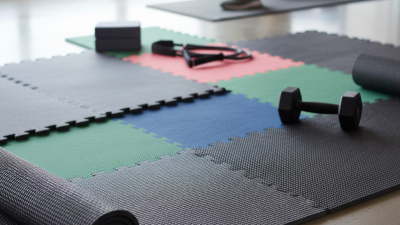
Foam mats, on the other hand, are versatile and great for high-impact workouts like HIIT or CrossFit. They offer better shock absorption compared to yoga mats. These mats often come in interlocking tiles, making them adaptable to various spaces. NGM Fitness reported that foam flooring reduces injury risks by over 25% in dynamic workouts. Users should consider that not all foam mats possess the same durability. Some may deteriorate quickly under heavy use, leading to safety concerns.
Rubber mats are yet another option, suitable for weightlifting and heavy gym equipment. Their density ensures stability and weight distribution. However, rubber can sometimes have an overpowering smell. This is a critical factor to consider when setting up a home gym. The right mat can enhance performance, but poor quality mats can lead to discomfort or injury. Choosing the right type matters significantly for your workout experience. Reflecting on personal needs and preferences will lead to a more tailored gym setup.
Tips for Maintaining and Cleaning Your Workout Floor Mats
Maintaining workout floor mats is crucial for the longevity of your home gym setup. Regular cleaning is necessary to prevent dirt and bacteria buildup. According to industry studies, mats can harbor harmful bacteria, which poses a health risk during workouts. A simple weekly cleaning with mild soap and water can help mitigate this risk. Use a soft brush to scrub away any stubborn spots.
It’s important to consider the material of your mats. Some materials require special care. For example, rubber mats can be cleaned with vinegar solution, while foam mats may need a gentler approach. In a study by the American Journal of Sports Medicine, it was found that proper maintenance can prolong the lifespan of gym mats by over 30%.
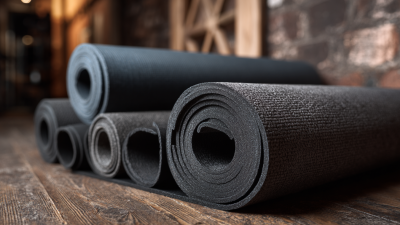
When it comes to storage, don’t overlook this aspect. Mats should be stored in a dry place to avoid mold growth. They should be rolled, not folded, to maintain their structure. Conduct a monthly inspection for any damage, such as tears or worn-out areas. Addressing these issues promptly can save costs on replacements later. Neglecting these practices may lead to a less safe workout environment and lower the efficiency of your gym space.
Best Workout Floor Mats Tips for Home Gym Setup
This chart illustrates the average ratings for important factors to consider when selecting workout floor mats for your home gym. A suitable mat should balance thickness for comfort, durability over years of use, slip resistance to prevent accidents, and water resistance to maintain cleanliness.
Creating a Safe and Functional Home Gym Layout with Floor Mats
When setting up a home gym, choosing the right floor mats is essential. They provide cushioning and support for various workouts. A good mat can prevent injuries and reduce strain on your joints during exercises like squats and jumping jacks. Consider mats that are made from durable, non-toxic materials. This ensures safety and longevity during your workouts.
Designing your gym layout around these mats is also important. Think about the space available. Arrange your equipment so that it fits comfortably while allowing room for movement. Mats should cover areas where you perform high-impact activities to create a safe, supportive environment. Additionally, think about the aesthetics. Choosing mats in colors that complement your space can enhance the overall feel of your gym.
It’s easy to overlook the maintenance of your mats. Regular cleaning is necessary to keep them hygienic, especially if you use them frequently. You may notice some wear over time. This can be a reflection of how hard you push yourself during workouts. Use this as a reminder to evaluate your routine. Are you pushing your limits safely? Listen to your body, and always prioritize safety and comfort in your home gym.
Best Workout Floor Mats Tips for Home Gym Setup
| Tip |
Description |
Material |
Thickness |
Size Options |
| Choose Non-Slip Mats |
Ensure safety during workouts by selecting mats that offer a good grip. |
Rubber or Foam |
0.25 - 0.5 inches |
4x6 feet, 5x8 feet |
| Consider Shock Absorption |
Use mats that absorb impact to protect joints during high-intensity workouts. |
High-Density Foam |
0.5 - 1 inch |
6x4 feet, 8x8 feet |
| Easy to Clean |
Select materials that can be easily wiped down and maintained. |
Vinyl or PVC |
0.25 - 0.5 inches |
5x5 feet, 10x10 feet |
| Select Interlocking Mats |
Interlocking mats provide versatility and easy configuration for different exercises. |
Foam |
0.5 inches |
2x2 feet per tile |
| Check for Portability |
If you need to move your gym mats, opt for lightweight and portable options. |
Lightweight Foam |
0.25 inches |
Standard sizes, easy to roll up |