China Top Rubber Exercise Mats Manufacturers and Suppliers?
Choosing a supplier for Rubber Exercise Mats in China involves more than comparing prices. Buyers should examine material specifications, production capacity, quality controls, and communication practices. A mat may look dense in a product photo, yet its thickness, surface texture, and edge finish matter in daily use. Small details count.
Manufacturers may offer rubber blends, custom dimensions, colors, and packaging, but available options vary. Ask for a current specification sheet and a sample that matches the quoted product. Check the sample for odor, firmness, surface grip, and consistency across the edges. These checks cannot replace independent testing, but they can reveal useful differences before a large order. Results may vary.
A reliable supplier should explain how materials are selected and how products are inspected. Buyers can also ask about lead times, minimum order quantities, packaging, and procedures for handling defects. Clear answers are a good sign, though they are not proof of consistent production. Verify details in writing.
This guide introduces China-based Rubber Exercise Mats manufacturers and suppliers, with attention to practical sourcing questions rather than broad promises. Supplier information can change, and a polished catalog does not tell the whole story. Compare evidence carefully. A factory visit or third-party inspection may help when order size and risk justify the cost. Even then, judgment is required.
What Are Rubber Exercise Mats and Where Are They Used?
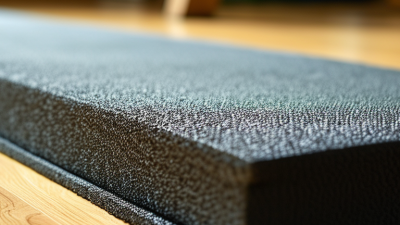
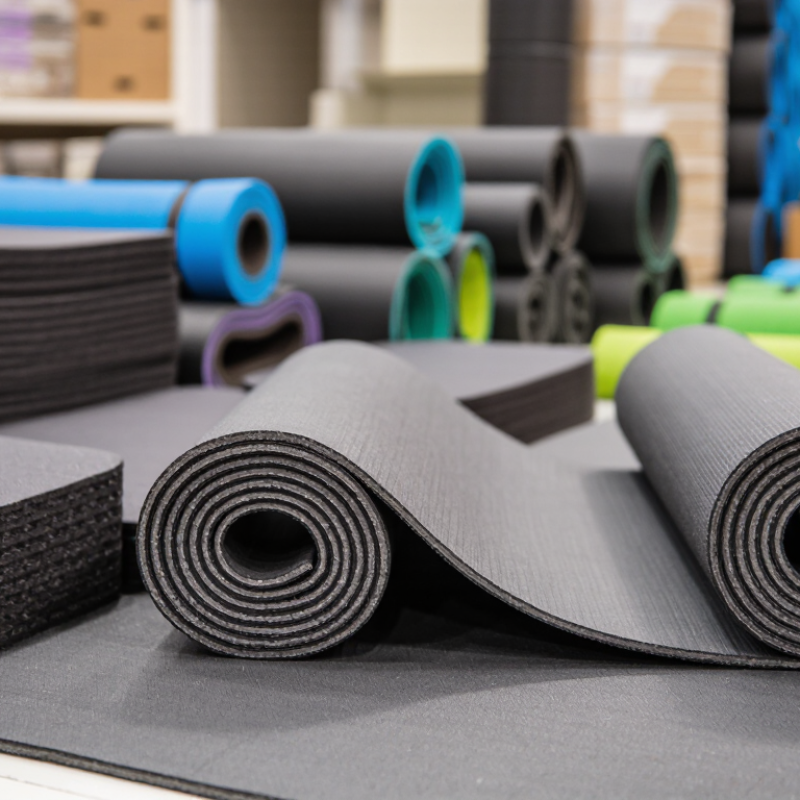
Rubber exercise mats are resilient floor coverings made from natural or synthetic rubber, often with a textured surface for grip.
Some products use recycled rubber granules bound into dense sheets or tiles. Thickness and firmness vary, so a mat should suit the activity rather than simply look substantial.
That detail matters.
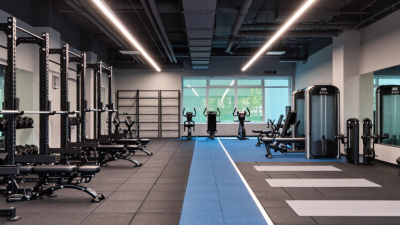
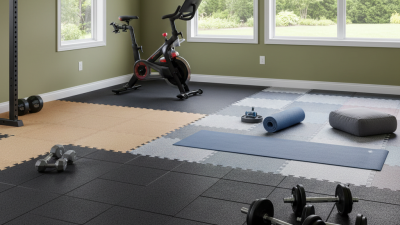
In home gyms and fitness studios, these mats create a more stable surface for stretching, bodyweight training, and light cardio. In weight-training areas, thicker, denser mats can help cushion dropped equipment and reduce noise.
A kettlebell landing on rubber sounds different from one striking bare concrete.
Still, a mat cannot prevent every impact or protect a weak subfloor from heavy loads.
Rubber mats also appear in multipurpose rooms, rehabilitation spaces, and small commercial gyms. Their textured faces can improve footing, but dust, sweat, and cleaning residue may reduce grip. Regular sweeping and wiping help keep the surface usable. Check that the floor beneath is level and dry before installation; uneven seams can become annoying during movement. Some rubber products have a noticeable odor when new, especially in poorly ventilated rooms. It fades in many cases, but not always quickly.
A buyer should consider room ventilation, cleaning needs, mat thickness, and the exercises performed—not just the price per tile.
How Are Rubber Exercise Mats Manufactured in China?
Rubber exercise mats made in China typically begin with rubber granules, which are screened for size and checked for moisture. Factories may use recycled tire rubber, natural rubber, or blends, depending on the required feel and price. The International Rubber Study Group’s 2024 World Rubber Industry Outlook puts global natural-rubber production in 2023 at roughly 15 million tonnes. That figure describes the wider raw-material market, not mat output, but it shows the scale of the supply chain behind rubber products.
Granules are mixed with a polyurethane binder, then spread into a mold at a set thickness. Workers compress the layer and apply heat to cure the binder. Then comes trimming. Some producers add a colored top layer or textured finish for grip. Quality checks can include thickness, density, surface condition, and odor; ISO 23999 provides a method for assessing dimensional stability in resilient floor coverings, though it is not a complete exercise-mat test. Small details matter. A damp batch or uneven pressure can leave weak edges or a surface that varies underfoot. Factories can measure samples carefully, yet results may still differ between production runs. That imperfect consistency is worth checking through batch records and pre-shipment samples.
What Types of Rubber Exercise Mats Do Chinese Suppliers Offer?
Chinese suppliers offer rubber exercise mats in several material and format combinations. Common options include SBR rubber, natural-rubber blends, and mats made with recycled rubber granules. SBR is often chosen for durable gym flooring, while natural-rubber blends may feel more flexible underfoot. Recycled content can vary, so ask for the material composition rather than relying on the product name alone.
Format matters too. Interlocking tiles suit weight rooms where damaged sections may need replacement. They often have textured surfaces for grip. Rubber rolls cover larger areas with fewer seams, though installation needs a flat, prepared floor. Individual workout mats are easier to move between rooms. Thickness ranges from slim exercise surfaces to heavier flooring designed for equipment and dropped weights. Check the intended use; one mat rarely fits every activity.
Details can change performance. Ask about dimensions, density, odor, edge finish, and cleaning instructions. A sample lets you check how the surface feels and whether the smell is acceptable in a closed room. The categories overlap, which makes comparisons less tidy than catalogs suggest. A thicker mat is not automatically better; stability and floor conditions matter, too.
How to Evaluate Chinese Rubber Exercise Mat Manufacturers
When evaluating Chinese rubber exercise mat manufacturers, look beyond catalog photos and quoted prices. Ask how the factory controls rubber content, thickness, density, and curing. These factors affect grip, cushioning, odor, and wear. Request samples in the exact thickness and surface pattern you plan to order. Measure them with a ruler, then check whether the edges stay flat after rolling. Feel the surface with clean, dry hands, and test it on the flooring you expect customers to use. Small details matter.
Request recent test reports and confirm which product batches they cover. Ask how incoming materials are checked and how defects are recorded during production. A clear answer should include practical details, not just “strict quality control.” Compare sample results with the production specification, including dimensions and acceptable variation. Discuss lead times, minimum order quantities, packaging, and how replacements are handled. A video call or factory visit can help verify equipment and workflow, though neither guarantees consistent output. A sample can still mislead; production runs may vary. I would check a pre-shipment sample and keep written records of agreed specifications. Some checks take extra time, but skipping them can cost more later.
How to Evaluate Chinese Rubber Exercise Mat Manufacturers
How to use this chart: This suggested 100-point evaluation rubric prioritizes material and safety documentation, product performance testing, and quality control. The weights are a practical framework, not survey results or ratings of specific manufacturers. Verify claims with relevant documents, test reports, production records, and samples.
How to Select a Reliable Rubber Exercise Mat Supplier in China
China Top Rubber Exercise Mats Manufacturers and Suppliers?
How to Select a Reliable Rubber Exercise Mat Supplier in China
Choosing a supplier takes more than comparing unit prices. Ask for clear specifications, including rubber composition, mat thickness, density, surface texture, and dimensional tolerance. A dependable supplier should explain how these details are checked during production. Request recent test reports where relevant, and confirm what each report covers. Vague answers are worth questioning.
Order samples before approving a large production run. Check whether the mat lies flat, grips the floor, and has consistent edges. Press it firmly, then inspect for cracking, loose particles, or a strong lingering odor. Compare the sample with the written specification; a good-looking sample does not guarantee every batch will match. Discuss minimum order quantities, lead times, packaging, and how defects are handled. Communication matters. Slow or unclear replies can become a real problem after payment.
Tips: Ask for production photos or a video of the actual facility. Confirm that the sample and bulk order use the same material and finish. Keep specifications and agreed tolerances in writing. If something feels unclear, pause and ask again; a little extra checking is rarely wasted.