How to Choose the Best Foam Floor Mat for Your Needs?
Choosing the best foam floor mat for your needs can be challenging. The market is flooded with options, making it hard to identify the right one. According to a recent industry report from the Foam Association, the global foam mat market is expected to reach $3 billion by 2025. This growth highlights the increasing demand for quality mats in various settings.
Expert Bob Langley, a leading analyst in the foam industry, emphasizes, "Selecting the right foam floor mat can significantly enhance both comfort and safety." With so many choices available, understanding the specific requirements for your space is crucial. Factors like thickness, material type, and intended use all play a role in your decision.
Some mats may seem appealing but fall short on durability. Others provide excellent cushioning but are difficult to clean. Balancing these factors is essential. A well-chosen foam floor mat can elevate your environment, while a poor choice may lead to disappointment. Take time to reflect on your options to ensure you invest wisely.

Understanding Different Types of Foam Floor Mats and Their Uses
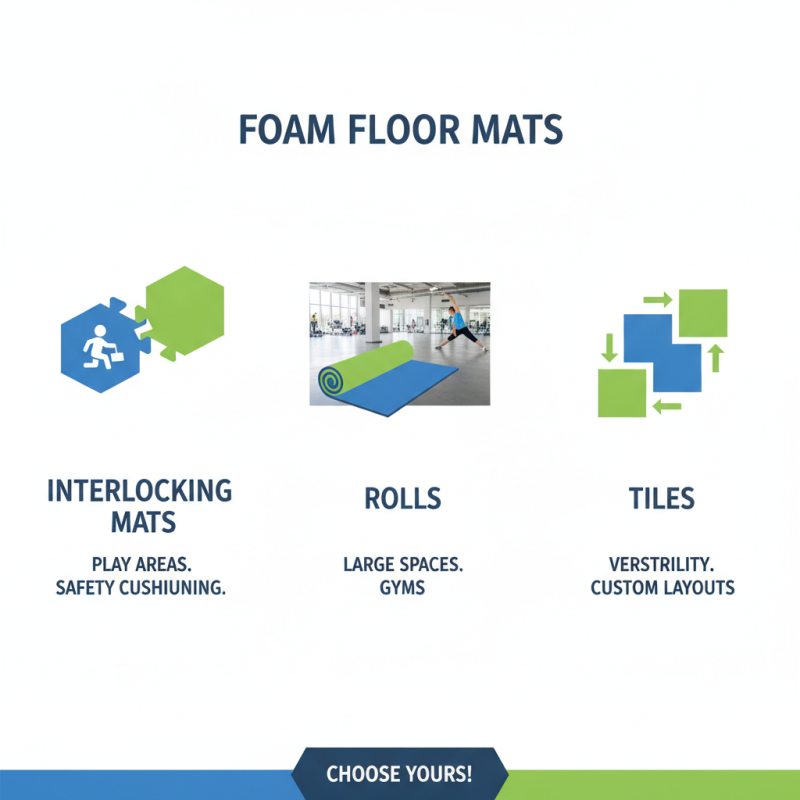
Choosing the right foam floor mat depends on various types and their specific uses. There are interlocking mats, rolls, and tiles, each serving unique purposes. Interlocking mats are great for play areas, providing safety cushioning. Rolls are ideal for larger spaces, such as gyms. Tiles offer versatility, as you can customize their layout easily.
Tips for selection include considering the thickness and density of the foam. Thicker mats provide more cushioning. However, they can be bulkier, which might not suit all spaces. Density affects durability and comfort, so choose wisely depending on your activities.
Another factor is the surface texture. Smooth surfaces are easier to clean but may not provide enough grip. Textured mats offer better traction but can trap dirt. Reflect on your priorities, as each choice involves trade-offs. Not every mat fits every scenario; testing options could lead to better outcomes.
Evaluating Thickness and Density for Optimal Cushioning and Support
Choosing the right foam floor mat involves careful consideration of thickness and density. Different activities require different levels of cushioning. For example, thicker mats are ideal for high-impact workouts. They provide better shock absorption. However, they might not be as stable for activities like yoga. A mat that's too thick can lead to instability during poses.
Density is another crucial factor. Denser mats offer more support but can feel firmer underfoot. If you’re using a mat for light activities or playrooms, a softer option might be more comfortable. It’s interesting to note how personal preferences vary. Some people prefer a softer feel, while others favor firm support.
Evaluate your specific needs. Do you often find yourself fatigued after standing? A denser mat might alleviate some discomfort. Conversely, if you often do stretches, a softer surface could enhance your experience. Each individual’s requirements can differ. Reflecting on your own activities and preferences can truly guide your choice.
Choosing the Best Foam Floor Mat: Thickness and Density Comparison
This chart illustrates the comparison of thickness and density across different types of foam floor mats. It provides insight into how variations in these metrics can influence the cushioning and support offered by the mats.
Assessing Material Safety Standards and Certifications in Foam Mats
When selecting foam floor mats, safety should be a priority. Materials used in foam mats can vary widely. It is crucial to check for safety standards and certifications. Look for mats that comply with ASTM and CPSIA regulations. These certifications ensure that the material is free from harmful chemicals.
Here are some tips for assessing safety:
- Examine the product information for certifications.
- Inquire about the manufacturing process.
- Avoid products with a strong chemical smell, as this may indicate low-quality materials.
Not all foam mats are created equal. Some may contain toxic substances like phthalates or formaldehyde. These elements may pose health risks over time. It is wise to research manufacturers and read customer reviews. Look for clear, transparent information regarding the materials used.
Remember, safety is key, but perfection is hard to achieve. Regularly assess your mats for wear and potential damage. Even high-quality mats may degrade over time. Being aware of their condition can help ensure a safe environment. Investing time in choosing the right mats will be worthwhile in the long run.
How to Choose the Best Foam Floor Mat for Your Needs? - Assessing Material Safety Standards and Certifications in Foam Mats
| Material Type |
Safety Certification |
Thickness (inches) |
Weight (lbs) |
Price Range |
| EVA Foam |
CPSIA Certified |
0.5 |
1.2 |
$20 - $30 |
| PVC Foam |
ISO 9001 Certified |
0.75 |
1.5 |
$15 - $25 |
| Rubber Foam |
REACH Compliant |
1.0 |
2.0 |
$30 - $50 |
| Polyethylene Foam |
ASTM Certified |
0.25 |
0.8 |
$10 - $20 |
| TPE Foam |
Non-Toxic Certified |
0.5 |
1.0 |
$25 - $35 |
Analyzing Cost vs. Quality: Finding the Right Balance for Your Budget
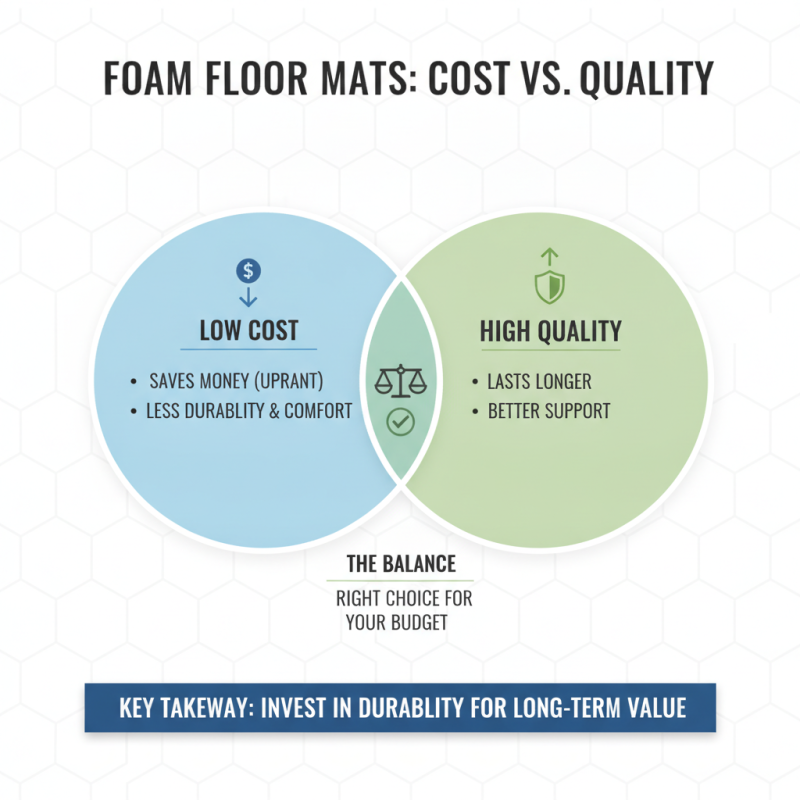
When considering foam floor mats, cost and quality are essential factors. Balance is crucial for making the right choice. A low-cost option may save money upfront. However, it often sacrifices durability and comfort. These mats must withstand use, especially in high-traffic areas. Research shows that high-quality materials can last longer and provide better support.
Evaluate the features that matter to you, such as thickness and texture. Some mats offer better shock absorption. Others provide added grip, which is essential for safety. Knowing your specific needs helps in prioritizing what to look for. Quality mats may have a higher initial cost but can save money over time through longevity.
Be mindful of the return on investment. A premium mat might feel luxurious and reduce fatigue. Still, it’s essential to weigh that against your budget constraints. Check reviews and gather feedback from users. This can illuminate the trade-offs involved. It’s natural to second-guess your priorities; finding the perfect fit requires reflection and adjustment.
Considering Maintenance and Longevity: Choosing Durable Foam Floor Mats
When selecting foam floor mats, durability is crucial. You need mats that can withstand daily use without deteriorating quickly. Consider materials that are resistant to wear, tear, and moisture. High-density foam often provides excellent support and longevity. Imagine a space where your mats don’t lose their shape or cushioning over time.
Maintenance is another key aspect. Regular cleaning is essential to keep mats in good condition. Look for mats that can be easily wiped down or rinsed. Some textures trap dirt more than others. A smooth surface may require less effort for cleanup. It's worth pondering how often you will maintain your mats. Low-maintenance options can be a lifesaver, especially in busy environments.
Think about the environment where you use these mats. Areas with high foot traffic may demand a sturdier design. Additionally, consider potential exposure to spills or harsh cleaning agents. This can affect longevity. It’s easy to overlook these factors when making a choice. Evaluating your specific needs and circumstances can lead to a better decision.