How to Choose the Best Foam Floor Mat for Your Needs?
Choosing the right Foam Floor Mat can significantly impact your overall comfort and safety. According to a recent industry report by the International Flooring Association, the demand for high-quality flooring solutions has risen by 35% in the last five years. Consumers are increasingly seeking mats that enhance both aesthetic appeal and functional benefits in various settings.
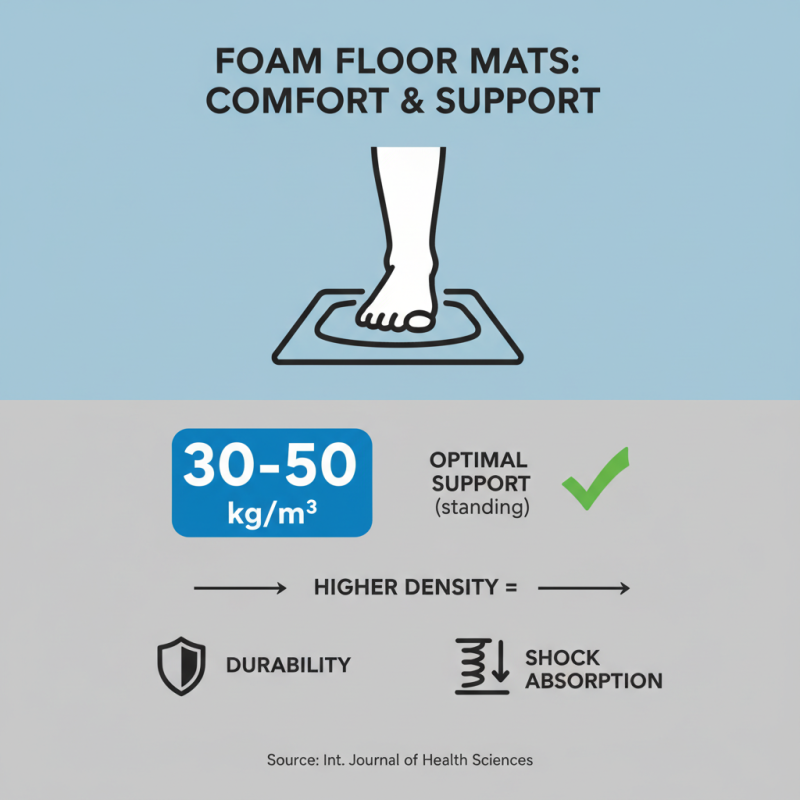
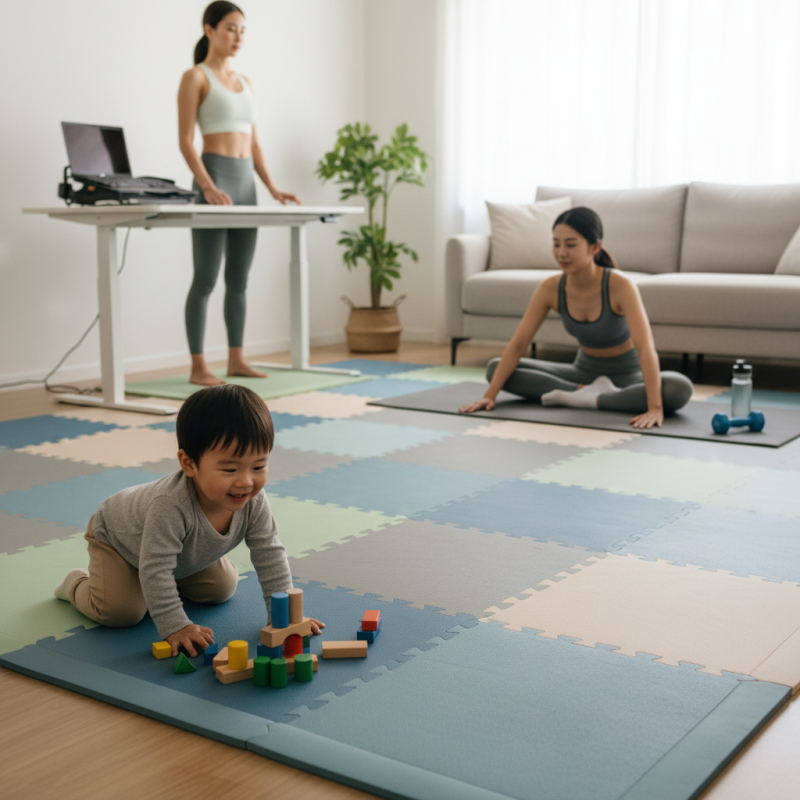
Foam Floor Mats are particularly popular among families with young children, fitness enthusiasts, and those looking to create a comfortable workspace. Notably, studies have shown that using a foam mat can reduce fatigue during standing tasks by up to 50%. This statistic emphasizes the importance of selecting mats that suit your specific needs.
However, many consumers overlook key factors like thickness, material, and intended use when choosing their mats. This can lead to discomfort or reduced effectiveness. Evaluating the features that best suit your environment requires careful thought. It’s worth noting that not every option will work for everyone. Thus, understanding your priorities and potential drawbacks is crucial in making an informed decision.
Understanding Different Types of Foam Floor Mats Available
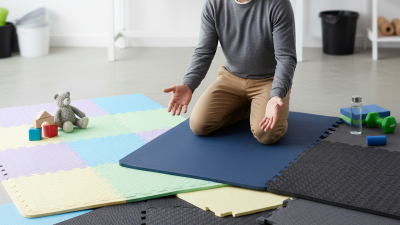
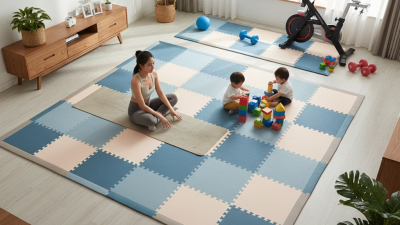
When choosing foam floor mats, understanding the different types available is crucial. There are interlocking mats, which are popular for their versatility. These mats can be easily assembled and disassembled, making them great for temporary setups. They often come in various colors and thicknesses to fit your space needs. Interlocking mats are particularly suitable for home gyms or play areas for children.
Another type is cushioned foam mats. These are designed for comfort and support. They are often used in areas where you stand for long periods, like kitchens or workshops. The absorbent nature of these mats can reduce fatigue on your feet and joints. However, they may not be as durable as interlocking options, especially in high-traffic areas.
Lastly, there are puzzle foam mats. These mats can be easily customized to fit any space, thanks to their modular design. They offer a unique aesthetic and are often used in nurseries or playrooms. However, the seams can sometimes be a challenge to keep clean. Understanding these types can help you make a well-informed decision tailored to your specific needs.
Assessing Your Space and Usage Requirements for Foam Mats
Choosing the right foam floor mat starts with understanding your space. Assess the size of the area where you plan to use the mats. This includes considering any furniture, equipment, or other items that might occupy the space. A well-suited mat should cover the area without being too cramped or leaving large gaps.
Think about your usage requirements. Will this area see heavy foot traffic? If so, opt for thicker mats that can withstand wear and tear. For exercise areas, look for mats that provide adequate cushioning to reduce impact. Be mindful of the texture as well; some surfaces are ideal for grip, while others are softer for comfort.
**Tips:**
Measure your space carefully before making a purchase.
Consider a multi-use mat if your needs change.
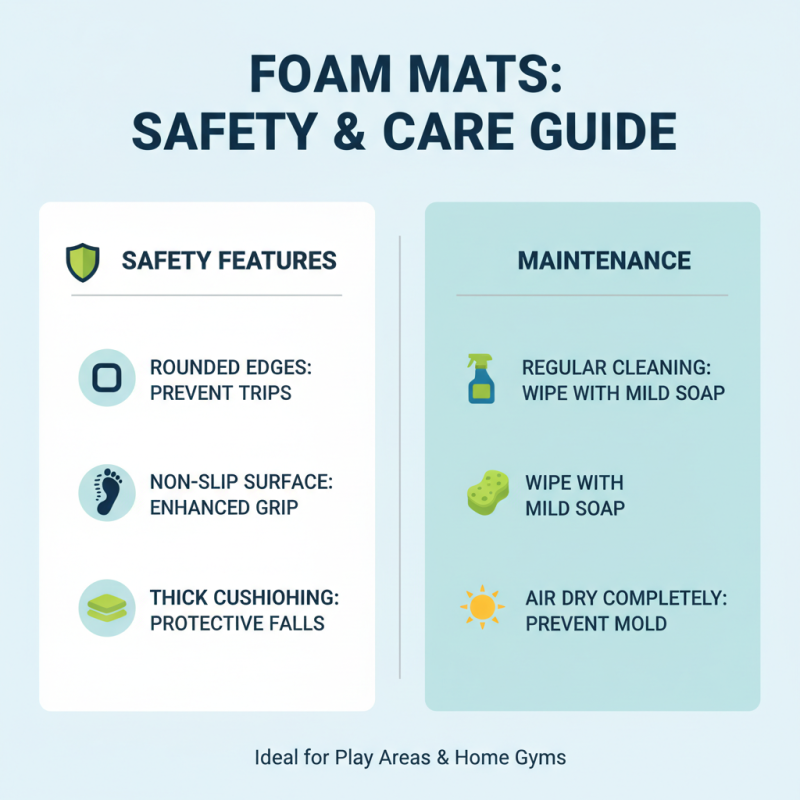
Ensure the mat is easy to clean and maintain after use. Reflect on how the mat fits into your lifestyle.
How to Choose the Best Foam Floor Mat for Your Needs?
| Dimension |
Description |
Recommended Use |
Thickness (inches) |
Price Range (per mat) |
| Small (2x2 ft) |
Ideal for small spaces or specific workout areas. |
Yoga, stretching, and small kids' play areas. |
0.5 |
$10 - $15 |
| Medium (4x4 ft) |
Versatile size for larger workout routines. |
Home gym, martial arts, and workshops. |
0.75 |
$20 - $30 |
| Large (6x6 ft) |
Spacious area for various activities or larger groups. |
Dance studios, fitness classes, and children’s events. |
1.0 |
$40 - $60 |
| Custom (Varies) |
Tailored size to fit specific areas. |
Commercial spaces, schools, and extensive home gyms. |
Varies |
$50 and up |
Exploring Design and Aesthetic Options for Foam Floor Mats
When selecting foam floor mats, design and aesthetics play a crucial role. These mats are available in various colors, patterns, and textures. According to a recent industry report, over 70% of consumers consider appearance a top priority when choosing floor mats. This emphasis on aesthetics reflects changing preferences for home environments, with many seeking both functionality and style.
Textures can vary significantly. Some mats boast a smooth surface for a clean look, while others have a more tactile feel. A study indicates that 55% of users prefer textured surfaces for added grip. Color choices range from bold, vibrant hues to soft, neutral tones, catering to different tastes. Minimalist designs tend to be popular, particularly in modern homes. However, incorporating unique patterns can enhance visual interest without sacrificing practicality.
It’s essential to be mindful when choosing. Not all designs may suit your space. Oversized patterns can overwhelm smaller rooms. Light-colored mats may show dirt more easily. Additionally, potential buyers should consider the available options carefully, as the perfect aesthetic must align with functional needs and durability. Striking the right balance is integral to achieving a pleasing and practical flooring solution.
How to Choose the Best Foam Floor Mat for Your Needs?
This bar chart represents the different factors to consider when choosing foam floor mats, based on user preferences and importance ratings (1-10).