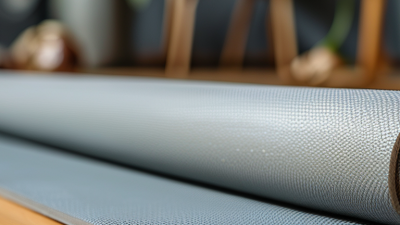
Choosing Eva Puzzle Mats for international markets requires more than comparing colors, prices, and carton sizes. Buyers must examine density, thickness, interlocking accuracy, surface texture, odor, and long-term resilience. A mat that feels soft in a showroom may compress quickly under gym equipment or daily children’s play. Small gaps between tiles can also collect dust, moisture, and cleaning residue.
As flooring materials consultant Michael R. Evans explains, “A reliable puzzle mat should protect the user, fit the space, and remain stable after repeated use.” His practical view reflects a common purchasing mistake: judging foam by appearance alone. Buyers should request technical data, sample tiles, and independent test reports before confirming large orders. Pay close attention to slip resistance, color consistency, edge design, and performance in humid or cold climates.
This guide presents ten practical tips for selecting Eva Puzzle Mats with greater confidence. It considers home gyms, childcare rooms, exhibition areas, and commercial fitness spaces. Packaging efficiency matters, too. A well-designed carton reduces transport damage and unexpected storage costs. However, one detail is easy to overlook: “eco-friendly” claims may lack clear evidence. Ask for material specifications and applicable safety documentation.
No supplier is perfect. Some product descriptions remain vague, and buyers may accept them too quickly. Careful comparison is necessary. By checking measurable qualities instead of relying on attractive photos, global buyers can reduce returns, improve user safety, and choose mats suited to their actual environment.
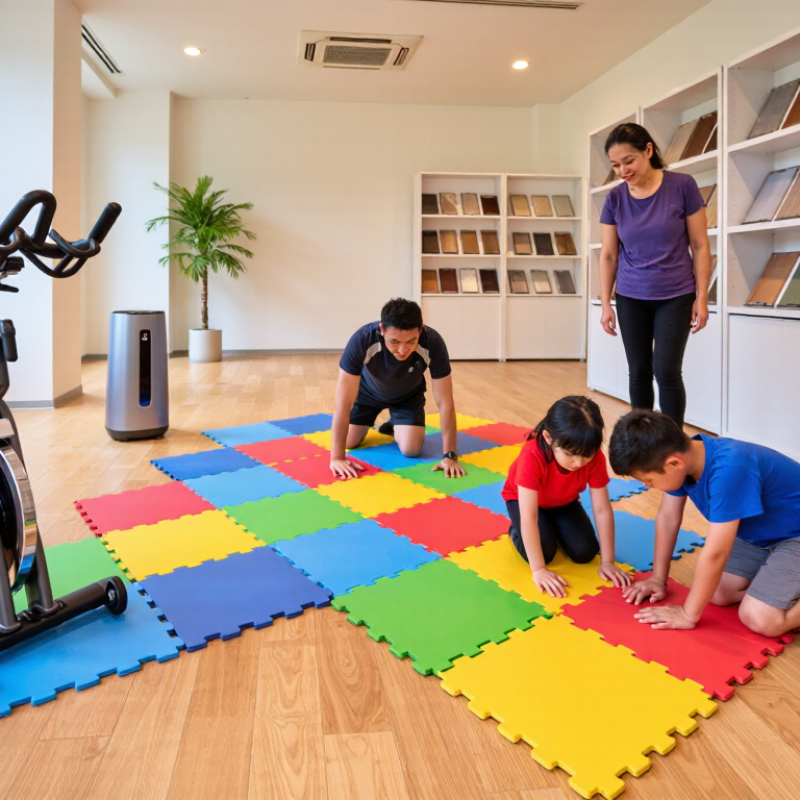
Choosing EVA puzzle mats starts with material and construction, not color. Ethylene-vinyl acetate is a closed-cell foam, so water resistance depends on intact cells and a sealed surface. Grand View Research estimated the global EVA market at about USD 10.5 billion in 2023, with continued growth expected through 2030. That figure covers many products, not puzzle mats. The limitation matters. Ask suppliers for EVA grade, vinyl acetate content, density, thickness, and batch tolerances. Higher density may improve resilience, but it can feel harder under bare feet.
Inspect the molded surface closely. A uniform skin should resist flaking and repeated cleaning. Check the interlocking teeth, corner alignment, edge strips, and underside grip. Uneven teeth create visible gaps. Thin mats may curl after storage. Request compression-set data, because a mat that looks firm can permanently flatten under furniture. Shore hardness helps comparison, but it does not replace a comfort trial. A sample should sit on a hard floor for several days. Real rooms reveal odors and movement.
The 2024 Global Market Insights report identifies flooring as a significant EVA application, yet it does not prove suitability for children’s play areas. Ask for independent tests covering heavy metals, restricted substances, slip resistance, and emissions. Check the test method, laboratory accreditation, and production date. EN 71-3 or ASTM-based results may support screening, but requirements vary by market. I would not rely on a single certificate. Batch consistency is often the weak point, especially when recycled content or color additives change. Fresh samples deserve another inspection.
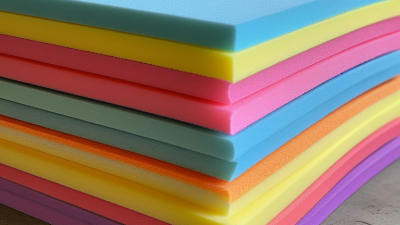
When choosing EVA puzzle mats, safety should be checked before color, thickness, or price.
Ask which standards apply to the destination market. Common references include EN 71, ASTM F963, CPSIA, and REACH, but requirements differ by country and product use. A certificate should show the exact material, product type, test date, and laboratory details.
A generic certificate is a warning sign.
Ask for recent third-party reports covering phthalates, heavy metals, formaldehyde, PAHs, and other restricted substances. Check whether the report matches the current production batch. Test reports are stronger when they include sample photographs, laboratory accreditation, and traceable factory information.
Ask for evidence.
Do not accept “non-toxic” as a complete safety claim. It is only meaningful when supported by defined test methods and limits.
Physical inspection still matters.
Look for loose edges, weak interlocking parts, sharp trimming, and strong chemical odors after opening the cartons. Odor can mislead. Some low-odor materials may still fail chemical testing, while a temporary odor may come from packaging.
I once treated a clean-looking sample as acceptable, but later noticed its documentation covered a different thickness. That mistake changed my checking process.
Keep sealed samples, production records, and batch numbers for comparison. Safety decisions become more reliable when documents and the actual mats tell the same story.
Choosing EVA puzzle mats starts with thickness, but thickness alone can mislead. A 10 mm mat may feel firm, while a 20 mm mat may compress too easily under a heavy rack. Density often explains this difference. For home fitness, many buyers compare EVA around 60–100 kg/m³, but suppliers should provide tested figures, not estimates. Ask for compression-set data after repeated loading. That detail matters beside a treadmill or children’s play equipment.
Texture affects both grip and cleaning. A fine embossed surface supports barefoot traction, yet deep patterns can trap dust and moisture. Request a coefficient-of-friction test when users train with wet shoes. Shock absorption needs formal evidence. ASTM F1292-22 evaluates impact attenuation through headform acceleration, g-max, and HIC values. EN 1177:2018+A1:2024 uses critical fall height to assess playground surfacing. These standards do not automatically certify every puzzle mat. The product must be tested in its actual thickness and assembly.
A practical check is simple. Walk, kneel, and drop a weighted object on sample tiles. Feel the rebound. Then inspect the seams. Mats that separate after several hours of heat are not reliable. Indoor air quality also deserves attention; an independent 2023 report from the European Chemicals Agency stresses careful control of substances in consumer products. I would not accept vague claims such as “maximum protection.” Performance changes with temperature, subfloor hardness, and user weight. The imperfect part is often overlooked. Ask for laboratory reports, batch details, and ageing results before placing a global order.
For global buyers, EVA puzzle mat selection begins with dimensions, not color. Measure the room twice, including door swings and fixed equipment. Compare tile size with shipping-carton dimensions. Large tiles install faster, but they create more cutting waste. Small tiles fit irregular corners better. Allow a 5–10 mm perimeter gap only when the supplier’s instructions support it. Temperature changes can distort tight installations.
Interlocking design controls daily stability. Check tongue depth, joint tolerance, edge alignment, and replacement compatibility. Assemble four samples on a flat surface before ordering. A loose joint may separate under wheeled loads. A very tight joint may curl at the edges. Surface texture also matters around sweat and dust. ASTM F1292 evaluates impact attenuation, while EN 1177 links performance with critical fall height. Request current test reports, not marketing claims.
Installation requirements deserve equal attention. The base should be clean, dry, level, and free from oil. Concrete moisture can undermine adhesion and hygiene. Leave tiles indoors for 24–48 hours when the supplier requires acclimatization. Confirm thickness against door clearance and exercise equipment stability. Grand View Research’s 2024 EVA foam market analysis estimates the market reached roughly USD 4.6 billion in 2023. That growth increases choice, but not necessarily quality. My practical mistake was assuming thicker always meant safer; test data and installation conditions matter more. Document tolerances, cleaning limits, and replacement quantities before purchase.
Larger EVA puzzle tiles reduce the number of interlocking pieces required for installation. The figures use square tile formats of 30 × 30 cm, 60 × 60 cm, and 90 × 90 cm. Tile quantities are rounded up to cover a 12 m² area before allowing for edge cuts or spare pieces.
10 Tips for Choosing EVA Puzzle Mats for Global Buyers
For global buyers, durability starts with the mat’s EVA density and compression recovery. Ask for technical data, but verify it with physical samples. Press each tile under a weighted object for several hours. Check whether the surface returns to shape. Inspect interlocking edges carefully. Loose joints create gaps quickly. A sample is not enough. Test several batches when possible. Look for consistent thickness, clean cuts, and a stable surface texture. Very soft foam may feel comfortable, yet it can dent under fitness equipment or classroom furniture.
Maintenance affects long-term value. Choose a closed-cell surface that resists ordinary moisture and allows simple cleaning. Confirm whether mild soap can remove sweat, dust, and rubber marks. Strong chemicals may damage the finish. Ask about odor after unpacking, especially for indoor installations. Pricing should include thickness, packaging, sample costs, replacement rates, and quality inspection. The lowest quotation can become expensive after warped tiles or color variation appear. I have seen buyers compare only unit prices. That approach often misses labor and waste.
Global shipping needs practical planning. Calculate carton size, gross weight, pallet requirements, and container utilization before ordering. Large cartons may raise freight costs more than expected. Confirm production lead time, delivery terms, export documents, and destination import requirements. Request photos before loading, including carton labels and pallet conditions. Keep spare tiles for future repairs. Do not assume every shipment will be perfect. Weather, handling, and warehouse storage can still affect packaging. A written inspection checklist creates stronger accountability between buyer and supplier.
| No. | Evaluation Dimension | Practical Benchmark or Data | What Global Buyers Should Check | Why It Matters |
|---|---|---|---|---|
| 1 | Choose a Suitable Thickness | Common EVA puzzle mats are approximately 10–25 mm thick. Around 10–12 mm suits light exercise and play areas, while 15–25 mm provides greater cushioning for home gyms, children’s rooms, and floor protection. | Confirm actual thickness after compression, tile size, edge fit, and whether the product is intended for low-impact or heavier-use applications. | Thickness affects impact absorption, comfort, insulation, packed volume, and freight cost. |
| 2 | Assess Foam Density and Resilience | EVA foam density varies widely; many commercial mat constructions fall roughly within 30–100 kg/m³. Higher density generally improves firmness and resistance to permanent deformation, but it can increase weight and price. | Request density data, compression-set results, recovery after repeated loading, and a physical sample for comparison. | Density is a better durability indicator than thickness alone, although formulation and surface structure also matter. |
| 3 | Verify Joint Strength and Dimensional Accuracy | Popular tile formats include approximately 60 × 60 cm and 100 × 100 cm. Interlocking teeth should remain engaged without excessive gaps, curling, or separation during normal use. | Measure several tiles from each production batch and inspect edge alignment, tooth geometry, flatness, and tolerance after storage. | Accurate dimensions reduce installation waste, visible gaps, trip hazards, and customer complaints. |
| 4 | Check Surface Wear and Slip Performance | Textured or patterned surfaces usually provide better traction than smooth surfaces, but performance changes when the surface is wet, dusty, or contaminated with oil. | Ask for abrasion, slip-resistance, colorfastness, and surface-cleaning test information relevant to the destination market. | Surface wear affects safety, appearance, product life, and suitability for gyms, playrooms, and commercial spaces. |
| 5 | Evaluate Water and Stain Resistance | Closed-cell EVA is generally easier to wipe clean and less prone to absorbing liquid than open-cell foam. However, seams, printed surfaces, and cut edges may still retain moisture or stains. | Perform a 24-hour sample check with water and typical household cleaners; inspect swelling, odor, color transfer, and surface tackiness. | Moisture resistance supports easier maintenance and reduces odor, mold, and hygiene concerns. |
| 6 | Review Cleaning and Maintenance Requirements | Routine care normally includes vacuuming or sweeping, wiping with mild soap and water, and complete air-drying. Strong solvents, bleach, abrasive pads, and high heat can damage EVA surfaces. | Request written cleaning instructions, chemical compatibility information, and guidance for removing and reinstalling tiles. | Clear maintenance instructions reduce premature deterioration and support consistent use across different countries. |
| 7 | Confirm Safety and Chemical Documentation | Depending on the application and destination, buyers may need documentation addressing restricted substances, heavy metals, phthalates, flammability, or toy and children’s-product requirements. | Match test reports to the exact material, color, thickness, and production site. Check requirements such as REACH, applicable EN standards, or U.S. regulations where relevant. | Compliance gaps can cause customs delays, product recalls, marketplace removal, or liability exposure. |
| 8 | Compare Price on a Landed-Cost Basis | For basic EVA puzzle mats, indicative bulk factory pricing can vary widely, often around US$2–8 per m² before freight, duties, taxes, testing, and local distribution. Thickness, density, printing, packaging, and order volume are major variables. | Compare the same thickness, density, tile size, packaging method, Incoterm, minimum order quantity, and testing scope. | The lowest unit price may become more expensive after freight, import charges, inspections, defects, and storage are included. |
| 9 | Calculate Packaging and Shipping Volume | Because EVA mats are lightweight but bulky, freight may be charged by volume. Use carton volume = length × width × height; for centimeter measurements, divide the result by 1,000,000 to obtain cubic meters. | Confirm cartons per pallet, stack height, gross weight, moisture protection, carton strength, and whether packaging prevents edge deformation. | Efficient packing lowers volumetric freight costs and reduces damage during long-distance transport. |
| 10 | Plan for Climate, Customs, and Delivery Conditions | EVA can expand, contract, or develop temporary odor after exposure to heat and compression. Store shipments flat or as recommended, away from direct sunlight, excessive heat, and moisture. | Define Incoterms, HS-code responsibility, country-of-origin marking, labeling language, insurance, inspection procedures, and a realistic transit-time buffer. | A complete delivery plan helps prevent customs holds, storage damage, unexpected charges, and seasonal stockouts. |