20+ years of production experience
Leave Your Message

How to Choose the Best EVA Foam Mats for Your Needs?

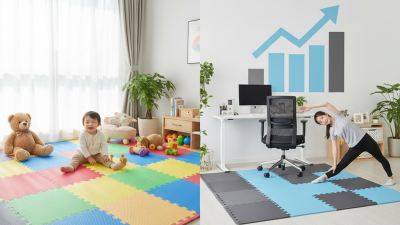
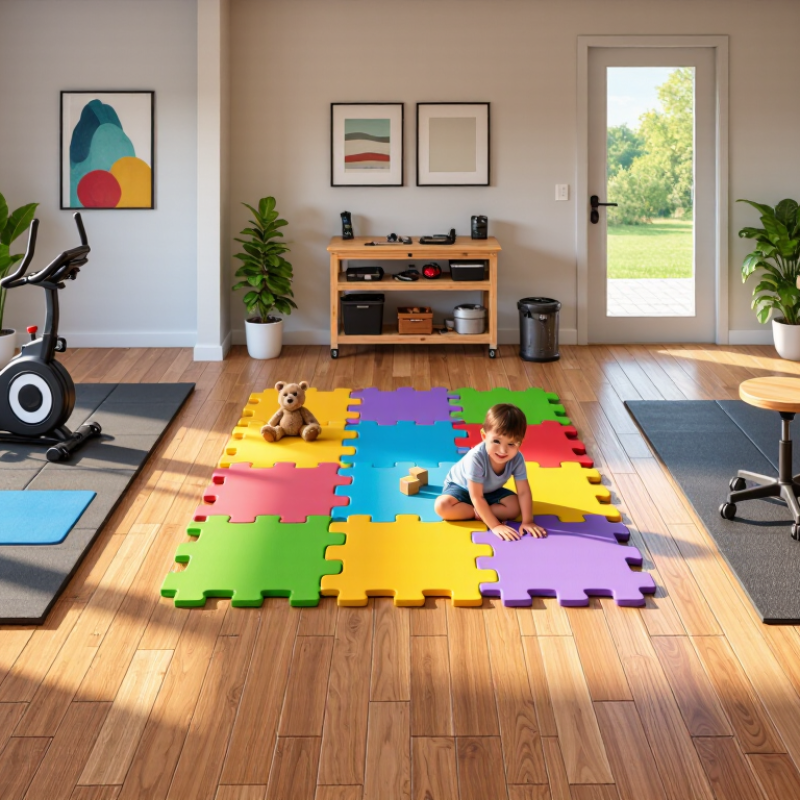
Choosing the best Eva Foam Mats begins with understanding how, where, and why you will use them. A home gym needs shock absorption, stable footing, and enough thickness for repeated movement. A children’s play area needs softer cushioning, washable surfaces, and secure interlocking edges. Workshops may require mats that resist light moisture, stains, and daily wear.

Dr. Elena Marquez, a polymer materials consultant, explains, “The best foam mat balances comfort, density, surface grip, and durability for its intended environment.” Her point matters because thickness alone can mislead buyers. A 20-millimeter mat may feel softer, yet a denser 10-millimeter mat might support equipment more effectively. Feel the surface. Press the foam with your thumb. Check whether it quickly returns to shape.

This guide examines Eva Foam Mats through practical details, including foam density, closed-cell construction, texture, odor, edge design, and cleaning needs. It also considers room temperature, floor type, and the weight of furniture or exercise equipment. A mat that performs well in a warm bedroom may behave differently in a cold garage.

Small details matter.

Some recommendations remain imperfect. Product labels can be inconsistent, and marketing terms do not always explain real performance. Therefore, compare technical specifications, user feedback, and manufacturer testing before purchasing. Measure your available floor space carefully. Leave room for expansion, movement, and future replacement. The right choice should feel comfortable today and remain dependable after months of use.
How to Choose the Best EVA Foam Mats for Your Needs?

Understanding EVA Foam Mats and Their Common Uses

EVA foam mats are lightweight, resilient surfaces made from ethylene-vinyl acetate. Their closed-cell structure helps resist moisture and absorbs moderate impact. This makes them useful in home gyms, children’s play areas, workshops, and temporary floor protection. However, not every EVA mat feels or performs the same. Density, thickness, texture, and edge design affect comfort and stability.

For exercise, choose a mat with enough thickness to cushion knees and wrists. A textured surface can improve grip during stretching or bodyweight movements. In a play area, softer foam may reduce discomfort from small falls, but supervision remains essential. For workshops, firmer mats can ease standing fatigue near benches. I once selected a very soft mat for a standing desk. It felt comfortable at first, but its surface compressed quickly. That choice was not ideal.

Tips: Measure the floor first. Check the foam’s density and thickness. Look for interlocking edges when covering large spaces. Clean the surface with mild soap and water, then dry it fully. Avoid sharp tools and prolonged direct sunlight, which may damage or discolor the foam. EVA can smell after unpacking, too. Air it out before use. Test one corner under furniture or equipment before installing several mats. Surface texture can wear faster than expected.

Assessing Your Space, Activity, and Coverage Requirements

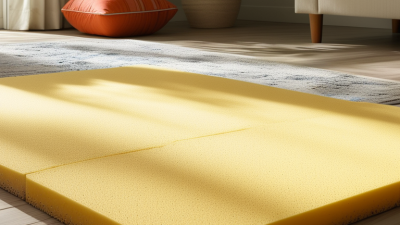
Choosing EVA foam mats starts with measuring the space, not browsing colors. Record the floor’s length, width, door swing, furniture legs, and nearby walls. A mat can look generous online but feel cramped around exercise equipment. Measure twice. Leave a small clearance near doors and vents. For irregular rooms, divide the floor into rectangles and add their areas.

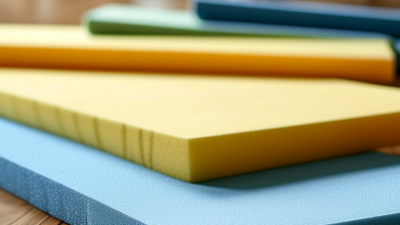
Your activity also controls the mat’s thickness and firmness. For yoga, stretching, or light home workouts, an 8–12 mm mat often balances comfort and stability. Children’s play areas may need thicker cushioning, such as 12–20 mm, especially over hard flooring. However, EVA foam is not ideal for repeated heavy weight drops or sharp equipment. Check the manufacturer’s load guidance and test a sample under your actual setup. I once chose a soft mat for floor exercises, then noticed it compressed under a bench. The surface looked fine, but balance became less reliable.

Coverage requires practical planning. Interlocking tiles reduce cutting waste and can fit around posts or storage units. Measure the full target area, then purchase roughly 5–10% extra for trimming and future replacement. Check the subfloor for dust, moisture, and uneven joints before installation. Even small debris can create uncomfortable bumps. I prefer placing a few tiles first and walking across every seam. That step feels slow. It often reveals gaps that measurements miss. Consider cleaning needs, too; textured surfaces may trap sweat and crumbs more easily.

Comparing Mat Thickness, Density, Texture, and Design

How to Choose the Best EVA Foam Mats for Your Needs?

Comparing Mat Thickness, Density, Texture, and Design

Thickness changes cushioning, but more foam is not automatically better. A thick, soft tile may compress under a squat rack, while a thinner, denser mat can feel steadier for balance work. Check the intended use and the floor beneath it. Concrete feels different from timber. Density figures also need context: manufacturers may report them differently, so compare products only when the units and test methods match. A tidy spec sheet still cannot predict every floor.

Texture affects grip, cleaning, and comfort on bare skin. Fine, closed-cell surfaces are easier to wipe, while raised patterns can help shoes hold during lateral steps. Inspect interlocking edges closely; loose seams can catch toes or shift during exercise. Feel the seam. For impact-related decisions, consult test documentation rather than relying on thickness alone. The U.S. Consumer Product Safety Commission’s Public Playground Safety Handbook describes ASTM F1292 impact criteria of no more than 200 g maximum acceleration and a Head Injury Criterion (HIC) of 1,000. These playground thresholds do not certify a home workout mat. Ask whether the specific mat was tested for your intended setting, and consider whether its texture, firmness, and layout still suit your movements.

Checking Safety, Durability, and Maintenance Needs

Safety starts with the floor beneath your feet. The World Health Organization’s Global Report on Falls Prevention in Older Age estimates that 37.3 million falls each year require medical attention. That figure covers falls worldwide, not EVA mats specifically, but it underlines why cushioning claims deserve scrutiny. For exercise or play areas, ask for independent test results suited to the intended use. ASTM F1292 measures impact attenuation for playground surfacing; it is not a blanket guarantee for every foam mat.

Durability depends on more than thickness. Press a sample and check whether it springs back, then inspect seams and edges for gaps that could catch toes. Dense mats may resist dents better, but can feel firmer under knees. EVA can also compress or discolor with heavy use, so match the mat to foot traffic, equipment weight, and room temperature. For cleaning, follow the maker’s instructions and test mild soap on a small area first. Harsh solvents may damage the surface.

Tips: Look for clear material and safety-test documentation, not just words like “non-toxic.” Wipe spills promptly, let mats dry fully, and rotate frequently used panels. I would still check them monthly; small splits are easy to miss until they spread.

How to Choose the Best EVA Foam Mats for Your Needs? — Checking Safety, Durability, and Maintenance Needs

Mat Type and Typical Thickness Suitable Uses Cushioning and Stability Durability Considerations Safety Checks Maintenance Needs
Light-duty interlocking tiles
About 8–12 mm
Play areas, light stretching, and general floor covering on a clean, level surface. Provides a soft surface for everyday use; thinner tiles offer less impact cushioning than thicker options. Can compress or shift under concentrated loads and frequent heavy use. Keep sharp objects and heavy furniture off the surface. Check that tiles fit together securely and do not create raised edges or trip hazards. Look for product information on material composition and emissions. Vacuum or sweep regularly. Wipe with a damp cloth and mild soap, then let the tiles dry fully before reassembly.
Thicker interlocking tiles
About 20–25 mm
Children’s play spaces, floor exercises, and areas where extra cushioning is useful. Offers more cushioning than thinner tiles, but a very soft or uneven surface may feel less stable for balance exercises. Interlocking edges may separate with repeated movement. Inspect seams and replace tiles that are torn, cracked, or permanently compressed. Choose a thickness appropriate to the activity; a mat is not a substitute for impact-rated flooring or fall protection. Check edge fit and surface grip. Lift tiles periodically to clean beneath them and allow the floor and mats to dry. Avoid soaking the foam.
Exercise or yoga mat
About 4–8 mm
Yoga, stretching, and bodyweight exercises on a smooth indoor floor. Provides a portable, cushioned surface. Thinner mats generally offer greater contact with the floor and may feel steadier for standing poses. Repeated folding, dragging, or use on rough flooring can cause creases, surface wear, or tears. Check that the mat lies flat and provides adequate grip for the intended exercise. Grip can change with sweat, moisture, and surface wear. Wipe after use according to the care instructions. Air-dry completely before rolling and storing away from direct heat.
Protective floor tiles for light home workouts
About 10–15 mm
Low-impact workouts and light exercise equipment on a firm, level floor. Can reduce contact with a hard floor and provide moderate cushioning. It may feel less stable under lateral movement than a firm, purpose-built floor. Foam can dent under narrow equipment feet and may not withstand repeated heavy impacts. Use equipment only within the product’s stated limits. Confirm the intended use and load guidance. Make sure the surface stays flat and dry, and that equipment cannot rock or slide. Clean spills promptly with mild soap and water. Do not use abrasive scrubbers or harsh solvents unless the manufacturer approves them.
Large roll or sheet mat
About 4–10 mm
Covering a continuous area for light activity or general floor protection. Fewer seams can create a more continuous surface; cushioning depends on thickness and foam density. Edges may curl or the sheet may move if it is not correctly fitted. Heavy furniture and sharp loads can mark or compress the foam. Secure the mat as directed and check for curled edges, wrinkles, or movement that could cause a trip or slip. Clean in place with a lightly damp cloth and mild soap. Ensure the underside and floor are dry before laying it back down.
General selection checklist Match the mat’s intended use, dimensions, and thickness to the activity and the floor underneath. Balance cushioning with stability; thicker foam is not automatically safer or more suitable for every activity. Check product guidance for expected loads, repeated use, and compatibility with furniture or exercise equipment. Review available material and safety documentation, including any applicable emissions or slip-resistance information. Do not assume all EVA mats have the same certifications or performance. Follow the care instructions supplied with the mat. Keep it dry, inspect it regularly, and replace it if damage affects fit or safe use.

Choosing the Right Mat for Your Budget and Installation Plan

Choosing EVA foam mats for a limited budget means comparing more than the price per tile. Check the covered area, mat thickness, edge pieces, and delivery costs before ordering. A low-cost set may leave gaps or require extra tiles later. For light stretching or play, thinner mats may be enough; standing workouts and harder floors may call for firmer, thicker cushioning. Still, thicker is not automatically better if it feels unstable underfoot.

Tips: Measure the floor twice, including doorways and corners. Sketch the layout and count full tiles, cut tiles, and spare pieces. Interlocking mats are convenient for renters because they can be removed, but seams may shift during vigorous exercise. Test one small area first when possible.

Match the installation plan to the room. A clean, level surface helps tiles sit evenly, while dust can loosen connections and collect in seams. If the mats will stay down, consider how easily they can be lifted for cleaning. For a temporary setup, lighter tiles are easier to store, though they may separate more often. Even careful measurements can miss an awkward corner; leave a modest allowance rather than buying exactly to the floor’s dimensions.