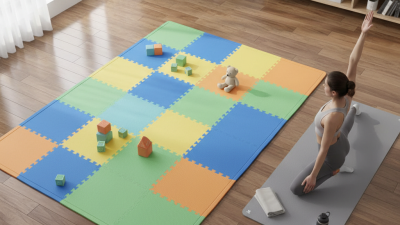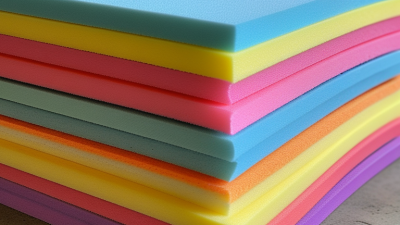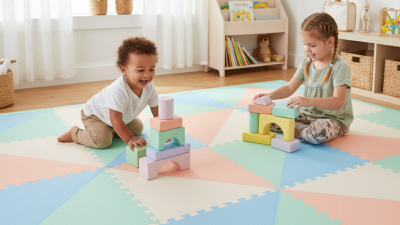
Choosing the right Plush Foam Mat starts with how and where you plan to use it. A mat for floor exercises may need a different thickness and surface texture than one for a child’s play area or a standing desk. Measure the available space, then consider who will use the mat and how often. A narrow corner beside a bed calls for different dimensions than an open workout room. Small details matter.
Foam density, thickness, cover material, and cleaning instructions all affect comfort and daily use. A very soft mat can feel pleasant at first but may compress under repeated pressure. A firmer option may offer steadier support, though it might not feel comfortable for every person. Check product specifications carefully, and look for clear information about materials, care, and intended use. If possible, compare samples or read reviews that describe long-term wear, not just first impressions.
Think about the floor beneath it, too. Smooth flooring may need a mat with a stable, nonslip base, while carpet can affect how securely it sits. Consider whether the mat folds, rolls, or stays in one place. Easy to overlook. Budget matters, but the lowest price does not always mean the best value if the foam flattens quickly or the cover is difficult to clean. No single choice suits everyone. Your needs may change, and even careful research cannot predict exactly how a mat will feel at home. A little reflection before buying can prevent a costly mismatch.
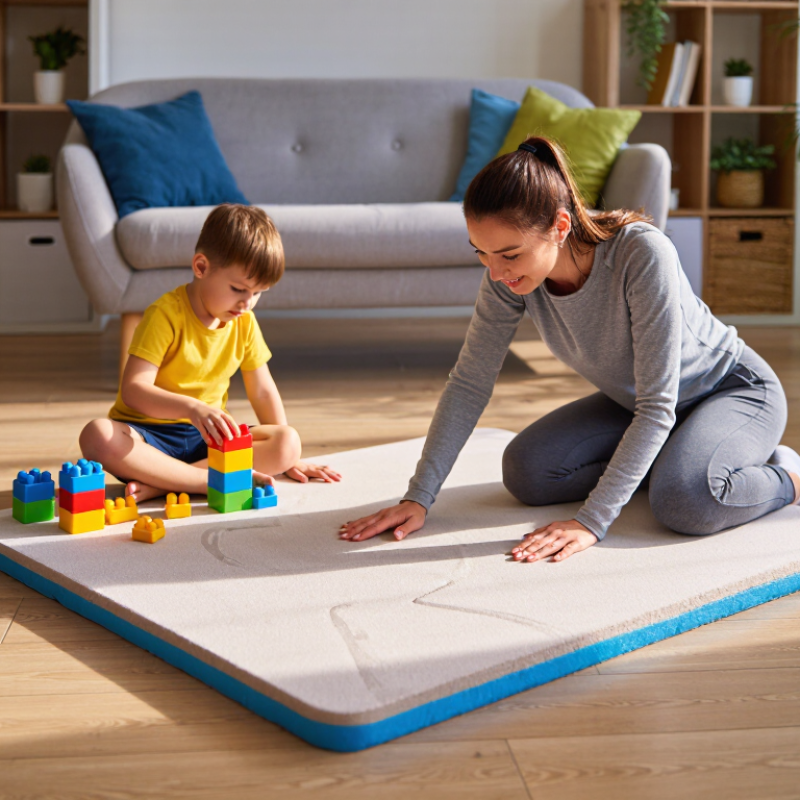
A plush foam mat should match the activity, not just feel soft in a showroom. For floor stretching or gentle exercise, choose enough cushioning to protect knees and elbows while keeping a stable surface beneath your hands. For children’s play, check the mat’s size, edge design, and how easily its cover can be cleaned. A thicker mat is not automatically better. That matters.
Consider who will use it and where it will sit. A mat for standing at a workbench may need firm support, while one for relaxed floor play can feel softer. Check the dimensions against your available space, and look for a non-slip underside if the floor is smooth. An uneven floor can still affect stability. Ask whether the cover is removable and follow its care instructions; trapped moisture may be difficult to notice at first. Foam firmness can be hard to judge from a product description alone, so compare specifications and, when possible, test the mat with the movements you expect to do. A little uncertainty is normal; comfort varies between users.
Measure the clear floor area, not the whole room. Move chairs, open doors, and note where drawers or cupboard doors swing. Measure length and width in several spots; walls and furniture can make the usable area uneven. A tape measure helps, but masking tape on the floor makes the outline easier to judge. Can you lie down and stretch both arms without touching a wall? Check that, too.
Allow space around the mat for stepping on and off, especially if it will be used for exercise. The 2010 ADA Standards for Accessible Design specify a 36-inch minimum clear width for accessible routes. Treat this as a useful planning reference, not a universal home requirement. A mat should not block a doorway or narrow a needed path. Measure twice. I have misjudged floor space before; the mat fit, but moving around it felt awkward. Compare your taped outline with the mat’s listed dimensions, including any raised edges. If the room is irregular, choose a size that leaves a clear path instead of filling every inch.
Measure the clear floor space first, then choose a mat that fits while leaving room around it. These example layouts compare usable floor area with a possible mat footprint.
Example measurements: bedside area 1.8 × 1.2 m with a 1.5 × 0.9 m mat; nursery 2.4 × 1.8 m with a 2.0 × 1.5 m mat; exercise corner 2.4 × 1.5 m with a 2.0 × 1.2 m mat; playroom 3.0 × 2.4 m with a 2.4 × 1.8 m mat. Measure around furniture and doorways, and confirm the mat’s actual dimensions before buying.
Choosing a plush foam mat starts with its job. For floor stretching, a resilient polyurethane foam may feel supportive and recover quickly. Memory foam responds more slowly and can soften under body heat, which some users like for seated rest. Latex foam often feels springier. Yet “plush” describes a sensation, not a material specification. Touch the surface, then test it with your full weight.
Thickness changes how far the body can sink before reaching the floor. A thin mat may suit gentle stretching, while longer sessions on hard flooring may call for more cushioning. Density and firmness are different measures: density is mass per volume, while firmness describes resistance to indentation. The Polyurethane Foam Association’s technical guidance treats these as separate properties. ASTM D3574 also includes an indentation force deflection test, measuring force at a specified indentation level, including 25 percent. That gives buyers a more useful comparison than vague labels such as “soft.”
Feel the edges, too. A mat can seem plush in a shop but compress unevenly under knees or hips. I would compare the same mat after several minutes of pressure; a quick hand press is imperfect.
Not a perfect test.
Check whether the foam rebounds, whether the cover grips the floor, and whether the listed measurements identify the foam type, density, and firmness test used.
Foam type changes how a mat feels and performs. Polyurethane foam is light and cushioning; high-density foam usually resists flattening better under repeated play. Ask for density and firmness data, not just “plush” wording. A soft surface may feel cozy, yet it can hinder balance for toddlers. Check the intended age and use. For a mat used indoors, emissions deserve attention too. The U.S. Environmental Protection Agency’s “The Inside Story” report notes indoor pollutant levels are often two to five times outdoor levels. This is not mat-specific, but it supports asking for independent emissions test results. Low odor alone proves little.
Read the safety details against the mat’s actual use. ASTM test methods and applicable consumer-product requirements can help assess physical performance and material content; a certificate should identify the tested product, not merely the foam supplier. UL GREENGUARD Gold criteria, for example, set a formaldehyde limit of 9 micrograms per cubic meter and a total VOC limit of 0.22 milligrams per cubic meter. Treat these as emissions benchmarks, not a promise that every room will have clean air. Cover construction matters daily: look for tightly sewn seams, a secure closure, and a removable cover with clear washing instructions. Run a hand along the stitching. Loose edges can catch small fingers, and some washable covers shrink—an easy detail to overlook.
Compare the foam, cover, and intended use together. Comfort and durability depend on foam density, thickness, construction, and how the mat will be used—not on softness alone.
| Foam or Construction | Feel and Recovery | Moisture and Cleaning | Potentially Suitable For | What to Check Before Buying |
|---|---|---|---|---|
| Flexible polyurethane (PU) foam | Available in a wide range of firmness levels. Often provides a cushioned feel; support and durability vary with foam formulation and density. | Open-cell foam can absorb liquids. A removable, washable cover or a wipe-clean barrier can make routine cleaning easier. | General floor cushioning, play areas, lounging, or other uses where the selected firmness and thickness are appropriate. | Ask for the foam specification, finished mat dimensions, and care instructions. Check that the cover does not expose foam during normal use. |
| Memory foam (viscoelastic PU) | Conforms under pressure and usually returns to shape more slowly than conventional flexible foam. Some people find it retains more warmth. | Typically needs protection from spills; follow the maker’s cleaning instructions and avoid assuming the foam itself is washable. | Comfort-focused lounging or low-impact floor use when a slower, contouring feel is desired. | Check the intended use, support feel, ventilation, and whether the cover can be removed. It may not suit activities requiring a firm, quick-response surface. |
| Expanded PE or EVA foam | Often lightweight and resilient, with a firmer, springier feel than plush open-cell foam. Performance varies by formulation and construction. | Many closed-cell versions resist water absorption and can be wiped clean, but seams and surface coatings may still need care. | Play, exercise, or portable use where easy handling and a firmer surface are priorities. | Confirm that the mat is designed for the activity and age group. Check grip, seams, thickness, and whether the surface becomes slippery when wet. |
| Removable textile cover | The fabric affects the surface feel; a zipper can allow the cover to be removed for cleaning. | Washability depends on the fabric, zipper, and care label. Fabric may absorb spills before they reach the foam. | Indoor use where a soft fabric surface and regular cover washing are useful. | Look for clear washing instructions, durable seams, a securely finished zipper, and a cover sized to avoid loose folds. |
| Coated, wipe-clean cover | Usually has a smoother surface than woven fabric; the exact feel and grip depend on the coating and backing. | Can be easier to wipe than absorbent fabric. Check the care instructions and avoid cleaners that may damage the coating. | Settings where quick surface cleaning is important, provided the material is appropriate for the intended use. | Check coating durability, seam construction, surface grip, and whether the cover is intended for repeated cleaning. |
| Safety and compliance documentation | Not a comfort feature; requirements depend on the product’s intended use, age group, and sales market. | Cleaning and chemical-safety claims should be supported by product-specific documentation, not inferred from appearance or smell. | All uses, especially products marketed for children or as toys. | Request applicable test reports or declarations for the finished product. In the United States, children’s products may be subject to CPSIA requirements; ASTM F963 applies to toys within its scope. Verify current local rules and the product’s classification. |
Selection tip: Match firmness and thickness to the activity and user, choose a cover suited to the cleaning routine, and verify product-specific safety documentation. Standards and legal requirements vary by market and intended use.
A plush foam mat should suit your cleaning routine as well as your comfort needs. Check the care label before buying. Some covers unzip for machine washing, while others need spot cleaning with mild soap and a damp cloth. A removable cover helps after spilled drinks or muddy socks, but zippers and seams also need occasional inspection. Small details matter.
Durability depends on foam density, cover fabric, and how often the mat gets used. A mat under a desk may last longer than one used daily for children’s play. Look for even stitching and foam that returns to shape after gentle pressure. If it stays dented, support may fade sooner. Thicker foam can feel softer, but it may be harder to move or dry. A higher price is not automatically better value; compare care effort, expected use, and replacement needs.
Tips: Place the mat on a dry, level floor, and rotate it now and then to reduce uneven wear. Ask how replacement covers are handled. Read warranty terms carefully; coverage can exclude ordinary wear. One trade-off is unavoidable: the easiest mat to clean may not feel the softest. Decide which compromise matters most in your home.