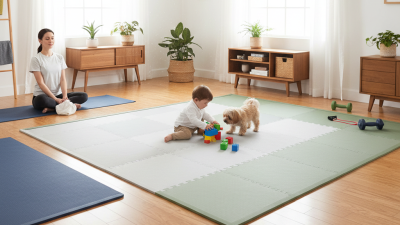
What Is an EVA Puzzle Mat and What Is It Used For?
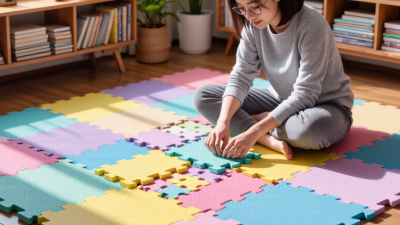
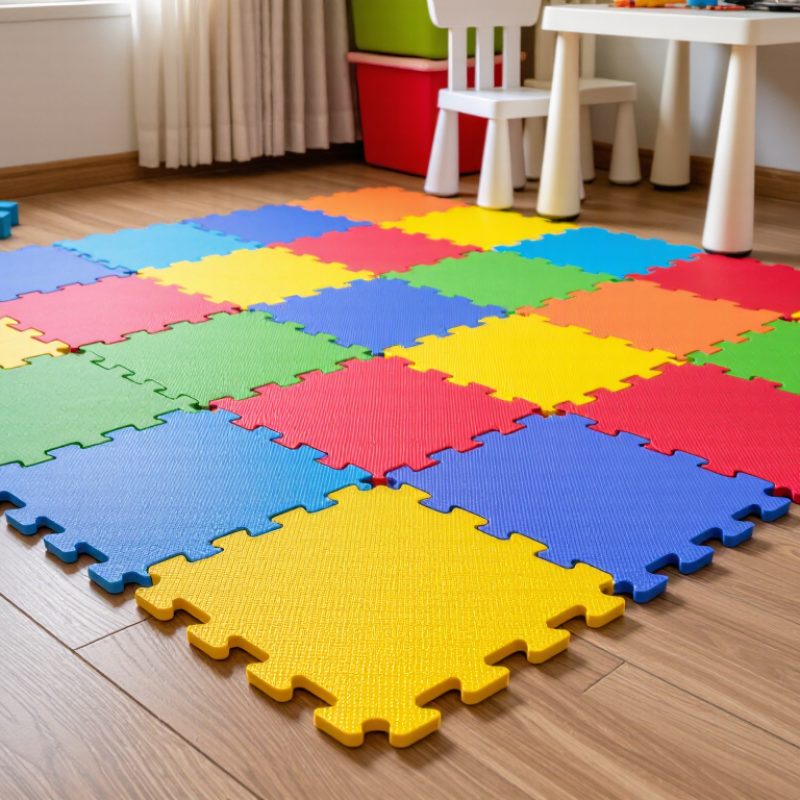
An Eva Puzzle Mat is made from interlocking EVA foam tiles that connect like oversized jigsaw pieces. The tiles create a cushioned surface for play, exercise, or floor protection. They are lightweight, easy to assemble, and simple to rearrange. Most have a textured top and puzzle-shaped edges. Those details matter: a smooth floor, loose joints, or a curling edge can affect stability.
A quotation needs a reliable source. Since none was provided, the following is an illustrative line, not a verified statement from a real expert: fictional EVA product engineer Daniel Reed says, “Check the fit, the surface, and the edges before judging a foam mat.” That is practical advice, but it should not be mistaken for a published expert quote. A real product’s thickness, firmness, and surface finish vary, so check its specifications before choosing one.
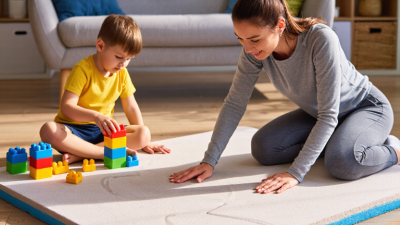
Where does an Eva Puzzle Mat work best? Common settings include children’s play areas, home workouts, and temporary padded floors. Picture colorful tiles beneath a play table, or a firm mat under stretching feet. It can soften contact with a hard floor, but it is not a substitute for supervision or specialized safety flooring. Some mats may shift on slick surfaces, and seams can collect crumbs or dust. A quick wipe helps. Check the edges now and then. Simple, but easy to forget.
What an EVA Puzzle Mat Is
An EVA puzzle mat is a floor covering made from separate foam tiles that fit together like large jigsaw pieces. EVA stands for ethylene-vinyl acetate, a flexible plastic foam used in many lightweight cushioning products. Each tile usually has interlocking edges, so pieces can be joined, removed, or rearranged without tools. The surface may be smooth or lightly textured, while the underside is generally flat.
The foam adds a cushioned layer between the floor and whatever rests on it. People commonly use these mats in play areas, home workout spaces, and other indoor settings where a softer surface is useful.
Tile thickness and firmness vary, so a mat that feels comfortable for sitting may not feel stable enough for every exercise. It is worth checking how the pieces fit and how easily they shift on your floor.
The seams are not perfectly invisible. Dust can collect in them, and gaps may appear if tiles are pulled apart or placed on an uneven surface. EVA mats are practical, but they are not a substitute for a purpose-built sports floor or a thick safety landing surface.
How EVA Foam Mats Are Made and Interlock
How EVA Foam Mats Are Made and Interlock
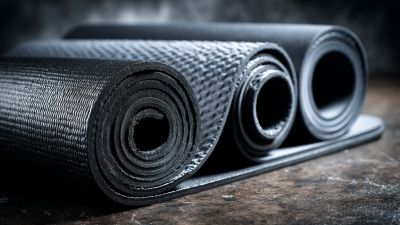
EVA means ethylene-vinyl acetate, a flexible copolymer used in many foam products. Manufacturers typically combine EVA resin with a foaming agent, then apply heat and pressure to expand it into a cellular sheet or molded slab. Cooling stabilizes the foam; cutting and trimming create the familiar square tiles and puzzle-shaped edges. Exact recipes and production steps vary, so density, firmness, and surface texture can differ between mats.
Interlocking tabs are cut along each tile’s edges, allowing neighboring pieces to connect without glue. The small teeth should meet evenly, with no raised corners or visible gaps. A tile that shifts underfoot may have loose-fitting edges, an uneven floor, or dimensions that vary slightly. Grand View Research estimated the global EVA market at about US$11.3 billion in 2023 and projected 6.5% annual growth from 2024 to 2030. That figure covers EVA broadly, not puzzle mats specifically; it signals material demand, not product quality.
Tips: Assemble tiles on a clean, level floor and press each seam down by hand. Check the fit again after the mat has settled. Snug is good; forcing a tab can tear it.
EVA Puzzle Mat Thickness Options
EVA puzzle mats are foam tiles with interlocking edges that fit together to cover a floor. Thickness options vary by product: thinner mats provide a light cushioned surface, while thicker mats generally offer more cushioning. Check product specifications for the exact thickness and intended use.
Common Uses of EVA Puzzle Mats
EVA puzzle mats are interlocking foam tiles used to create a soft, temporary floor surface. In homes, caregivers often lay them beneath crawling babies or toddlers, where the textured pieces provide a more comfortable place for floor play. The World Health Organization’s 2019 Guidelines on Physical Activity, Sedentary Behaviour and Sleep for Children Under 5 Years recommend at least 180 minutes of varied physical activity each day for children aged one to four. A mat can make indoor movement easier. It does not replace adult supervision or make falls risk-free.
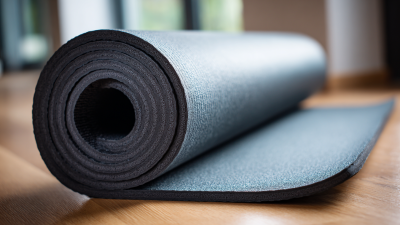
They also suit playrooms, home exercise corners, and light workshop tasks. A few tiles can mark out a stretching area, soften contact during floor exercises, or protect a finished floor from small toys. Easy to rearrange. That is the appeal. But seams may separate, and smooth floors can let mats shift, so check the fit before active use. For heavy weights or sharp tools, foam is not a dependable protective layer. I would treat it as a comfort surface, not safety equipment; that distinction is easy to overlook.
Benefits and Limitations of EVA Puzzle Mats
An EVA puzzle mat uses interlocking foam tiles to create a soft, portable surface for play or floor exercises. Its light weight makes setup easy, and the cushioned layer can feel kinder on knees than bare tile. It also helps define a play area. But the seams can separate, and small pieces may lift when a child drags a toy across them. The surface may feel slick in socks, too. No mat is perfect.
EVA mats are not tested alike. Check the stated thickness, cleaning instructions, and intended use; a soft feel alone does not prove impact protection. ASTM F963-23 sets safety requirements for toys, but meeting a toy standard does not establish a mat’s fall-protection performance. Odor deserves attention as well. The U.S. Environmental Protection Agency reports that indoor concentrations of some volatile organic compounds can be up to ten times outdoor levels; this is not an EVA-specific finding, but it supports airing out new products. A faint smell may fade, though persistent odor is worth taking seriously.
Tips: Open the mat in a ventilated room before use, wipe it with mild soap, and let it dry fully. Press the edges flat and check for gaps or torn tiles each week. For exercise, test the mat’s grip on your actual floor.
How to Choose and Maintain an EVA Puzzle Mat
Choosing an EVA puzzle mat starts with the space and the activity. Measure the floor, then check each tile’s dimensions and how firmly the edges connect. A loose seam can catch a toe, especially near a doorway. For floor play, look for a surface that feels stable and provides enough cushioning for the intended use. Thicker tiles are not automatically better; they may feel softer but can shift more on a slick floor. Check the product’s stated age guidance and care instructions, too. Small removable pieces may not suit every household.
Think about texture and cleanup. A lightly textured surface can offer grip, while deep grooves may collect crumbs and dust. That detail is easy to overlook. After use, wipe the mat with a damp cloth and mild soap, then let every tile dry fully before reconnecting or stacking it. Avoid harsh cleaners unless the care label specifically allows them. Check the edges and underside now and then for splits, curling, or trapped moisture. Replace damaged pieces when they no longer sit flat. One imperfect habit is leaving tiles assembled for months; lifting them occasionally helps you spot dirt beneath and gives the floor a chance to air out.