How to Choose Puzzle Foam Mats for Your Needs?
Choosing Puzzle Foam Mats is not simply a matter of matching colors to a room. The right option should fit the activity, floor surface, available space, and expected wear. A soft mat for a baby’s play corner may need different features from one used beneath dumbbells or workshop equipment. Thickness, foam density, texture, edge design, and water resistance can change daily comfort and long-term performance.
Practical experience shows that small details matter. Measure the floor before ordering, including door clearance and awkward corners. Check whether each tile locks firmly without visible gaps. Press the surface with your thumb. It should feel supportive, not excessively spongy. For exercise areas, evaluate shock absorption and stability during repeated movement. For children, inspect the material information, cleaning instructions, and potential odor before regular use. Independent product testing or clearly stated manufacturer specifications can make comparisons more dependable.
There is no perfect mat.
My early choice focused too much on appearance. The bright tiles looked excellent, but their edges separated under frequent movement. That mistake changed my selection process. A reliable guide must consider actual routines, not only product photographs. It should also acknowledge that foam may compress, discolor, or collect dirt over time. By comparing room conditions, user needs, maintenance habits, and credible product evidence, buyers can choose Puzzle Foam Mats with greater confidence and fewer costly surprises.
Understanding the Main Types of Puzzle Foam Mats
Understanding the Main Types of Puzzle Foam Mats
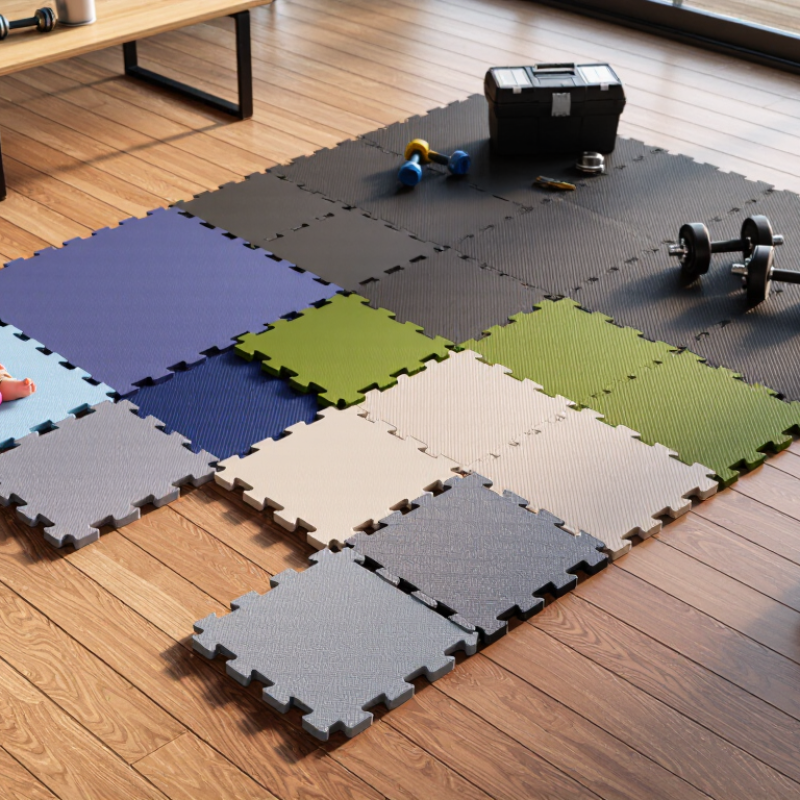
Puzzle foam mats usually fall into several practical categories. EVA foam is the most common option for home gyms, playrooms, and temporary flooring. It feels cushioned underfoot and resists light moisture. High-density EVA offers firmer support, which helps during weight training or stretching. Softer EVA feels comfortable for children but may show dents sooner.
XPE foam has a finer, more closed-cell structure. It often feels smoother and absorbs less water than standard EVA. This makes it useful in play areas, exercise spaces, and rooms needing easy cleaning. Some puzzle mats use PE foam, which can provide solid impact protection with a lighter feel. However, material names alone can mislead buyers. Density and thickness matter more than appearance.
Choose interlocking tiles by matching the mat to the activity. A 10-millimeter tile may suit yoga, while heavier equipment needs thicker, denser flooring. For children, check edge fit, surface texture, and cleaning instructions. A workshop may require tougher tiles that resist oil, but ordinary foam can still deteriorate under sharp tools. Measure the room before ordering; small gaps can collect dust. No option is perfect. A thicker mat can feel safer, yet it may make furniture unstable. Checking the floor, pressure points, and expected cleaning routine prevents an attractive but unsuitable choice.
Matching Mat Features to Your Space and Intended Use
Choosing puzzle foam mats starts with the space, not the color. Measure the usable floor area, including door swings and furniture legs. A playroom needs soft, stable coverage, while a home gym needs stronger compression resistance. Measure twice.
The U.S. Consumer Product Safety Commission’s 2023 Toy-Related Injury Report recorded about 231,000 emergency-department injuries involving children under 14. A foam mat cannot prevent every accident, but edge stability and correct thickness can reduce avoidable trips. For toddlers, choose tightly interlocking tiles with large pieces and textured surfaces. Avoid loose gaps near climbing toys. ASTM F963-23 safety principles can guide material and small-part checks, although the standard mainly covers toys, not every floor mat.
Match thickness to impact and movement. Around 8–12 millimeters may suit quiet play and stretching. Heavier training equipment often needs denser foam or a dedicated protective underlayer.
Softness feels comfortable, but excessive softness can make balance exercises unstable. I once preferred the thickest tiles for floor workouts; they compressed under a bench and became uneven. That choice was not ideal.
For bedrooms or shared rooms, prioritize low odor, easy cleaning, and muted colors. Check manufacturer test documents for emissions, slip resistance, and material composition. A damp cloth is practical, but textured surfaces can hold crumbs and dust. In humid spaces, lift the tiles regularly and inspect the underside for moisture. Foam is convenient, not maintenance-free.
Evaluating Safety, Comfort, Durability, and Maintenance
Choosing puzzle foam mats requires more than checking thickness and color. Safety comes first. Look for documented impact-attenuation testing under ASTM F1292 or an equivalent standard. The U.S. Consumer Product Safety Commission’s National Electronic Injury Surveillance System shows that falls remain a major source of child emergency-room visits, although the data does not isolate foam mats. A mat can soften a fall, but it cannot replace supervision.
Comfort depends on density, surface texture, and edge stability. Very soft foam feels pleasant during floor play, yet it may compress quickly under furniture. A practical test is simple: press the mat with your thumb, then check whether the surface recovers within seconds. Avoid strong chemical odors. The U.S. Environmental Protection Agency reports that indoor VOC levels can often be two to five times higher than outdoor levels. Ventilate new mats before use. That step is easy to forget.
Durability is shaped by sunlight, moisture, and repeated assembly. Inspect seams weekly, especially around crawling areas. Clean with mild soap and a damp cloth; harsh solvents may damage the surface. Dry every tile fully before reconnecting it. ASTM F963 and related testing frameworks address certain material and physical hazards, but compliance does not guarantee perfect performance in every home. My practical concern is often the floor underneath. An excellent mat still slips on dust. Recheck it after cleaning, because small gaps and curled edges appear sooner than expected.
How to Choose Puzzle Foam Mats for Your Needs?
Compare common puzzle-mat materials across safety, comfort, durability, and maintenance. Ratings use a practical 1–5 scale based on typical material characteristics; actual performance depends on thickness, density, surface texture, installation, and cleaning conditions.
How to read the chart: EVA foam is a balanced choice for general home use, XPE foam usually offers better cushioning and moisture resistance, rubber foam is typically more durable and stable under heavy use, while low-density PE foam is lightweight and easy to handle but may wear faster.
Choosing the Right Size, Thickness, Texture, and Design
Choosing puzzle foam mats starts with matching the size to your movement, not your room alone. A 60-by-60-centimeter tile may suit children’s play, but adult stretching needs wider coverage. For strength training, measure the space around your body and equipment. Leave at least 30 centimeters of clear space near each edge. According to the World Health Organization’s 2020 physical activity guidelines, adults should complete 150–300 minutes of moderate activity weekly. Frequent use makes stable flooring more important.
Thickness affects comfort, balance, and equipment support. Around 10–12 millimeters works for stretching, yoga, and light exercise. Heavier training may need thicker foam, but overly soft mats can make squats feel unstable.
ASTM F1292 uses standardized drop testing to assess impact attenuation, yet household mats are not automatically playground-certified. Texture matters too. A lightly textured surface can improve grip during sweaty sessions. However, deep patterns collect dust and become annoying to clean. Smooth mats look neat. They can feel slippery.
Tips: Choose interlocking edges that close tightly after repeated assembly. Check the product’s density, cleaning instructions, and odor notes. A darker design hides marks, while a simple pattern makes loose edges easier to notice. I once selected a thick mat for comfort and disliked its unstable feel during balance work. That mistake reminded me to test firmness, not thickness alone. Consider replacing damaged tiles, since small gaps can catch toes.
Comparing Installation Methods, Costs, and Long-Term Value
Choosing puzzle foam mats starts with the installation method, not the color. Interlocking tiles fit together without tools and can cover uneven room shapes. They work well for home gyms, children’s play areas, and temporary exercise spaces. Roll-out foam installs faster, but it may curl at the edges after storage. Adhesive installation looks more permanent, yet removal can damage the floor. Measure the room carefully, including door clearance and wall gaps.
Cost comparisons should include more than the price per square meter. Add delivery, edge pieces, cleaning supplies, and possible replacements. A low-cost tile may compress under a treadmill or heavy bench. Denser foam usually costs more, but it can resist dents and recover better. Check thickness, surface texture, and stated material details. I have found that a 10-millimeter mat feels fine for stretching, while heavier training may need greater shock absorption.
Think about long-term value. Can you lift one tile for cleaning? Does the surface stay stable when damp? Will sunlight make it brittle? These practical questions matter more than attractive photos. My first estimate was often too optimistic because furniture reduced usable space. That mistake is easy to make. For frequent use, choose replaceable sections and keep a few spare tiles. For short-term use, simple interlocking mats may be the smarter expense, even if their edges separate occasionally. Test a small area first.