Top 5 Eva Foam Mats Tips for Global Buyers
When searching for high-quality Eva Foam Mats, buyers often face numerous choices. These versatile mats are popular for various applications, from playrooms to fitness studios. Understanding key factors can help ensure a smart purchase.
Navigating the vast market of Eva Foam Mats requires careful consideration. Quality can vary significantly among manufacturers. A thorough assessment can prevent buyers from investing in subpar products. Features like density, thickness, and material composition are crucial in this evaluation process.
Buyers must also be aware of potential misconceptions surrounding Eva Foam Mats. Some may assume all mats provide the same level of durability and comfort. However, price often correlates with quality. Reflecting on personal needs and budget is essential in finding the ideal mat for your specific situation.
Understanding the Benefits of Eva Foam Mats for Global Buyers
Eva foam mats have become popular among global buyers due to their versatility and durability. According to a report by Market Research Future, the global EVA foam market is projected to reach $7.5 billion by 2025, growing at a CAGR of 6.3%. This growth reflects the rising demand for foam mats in sports, fitness, and wellness applications.
For many buyers, the most significant advantage of EVA foam mats is their shock absorbency. These mats provide excellent cushioning, which helps reduce injuries during physical activities. A study published in the Journal of Sports Science and Medicine confirms that such mats minimize impact stress on joints. Moreover, EVA foam is lightweight and portable, making it convenient for various settings, from gyms to home yoga spaces.
However, not all EVA foam mats are created equal. Some consumers may find variations in thickness and density, affecting their performance. A report from Grand View Research indicates that around 25% of buyers experience dissatisfaction due to these inconsistencies. It’s essential for buyers to assess product specifications and trust reliable suppliers. This ensures they make an informed choice, ultimately enhancing their investment in safety and comfort.
Key Factors to Consider When Choosing Eva Foam Mats
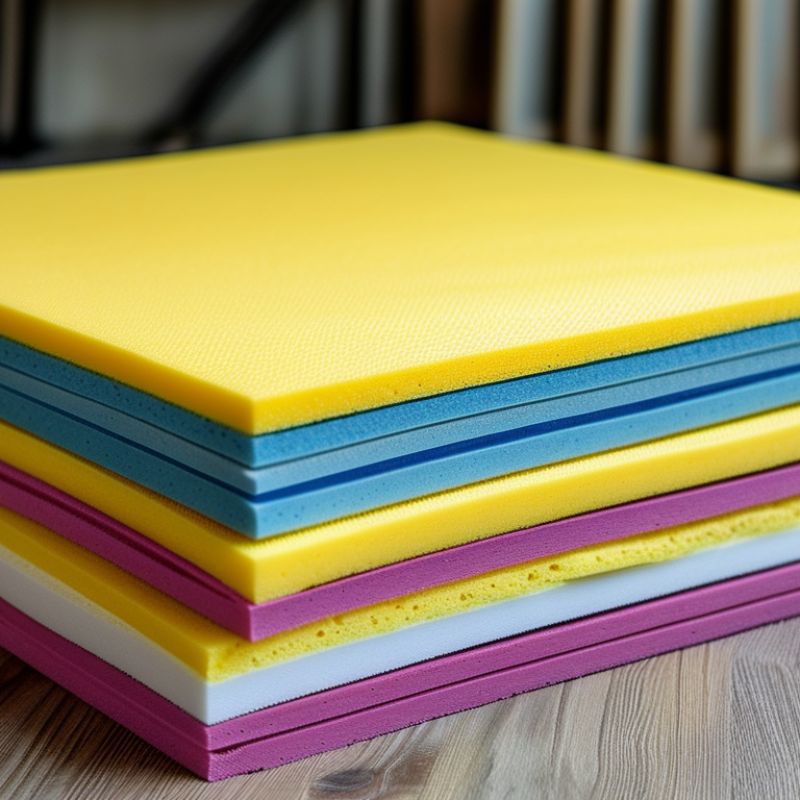
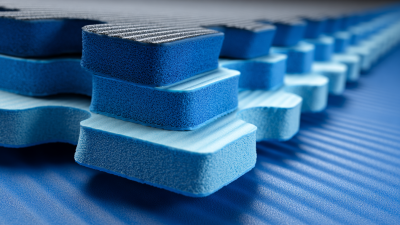
When selecting EVA foam mats, pay attention to thickness. Thicker mats offer better cushioning and shock absorption. This is crucial for activities like yoga, martial arts, or play areas for children. A thickness of 3/8 inch is often ideal for general use, but some may prefer more or less based on their specific needs.
Consider the density of the foam. High-density EVA mats provide durability and can withstand heavy usage. This is particularly important in commercial settings or busy households. Lightweight options are easier to move and clean. However, they may not offer the same support.
Look for non-toxic materials. Safety is paramount, especially for children's products. Some mats may emit odors or contain harmful substances. Research certifications that ensure the product is safe. Finally, think about the design and color. A visually appealing mat can enhance the aesthetics of a space while also meeting practical needs.
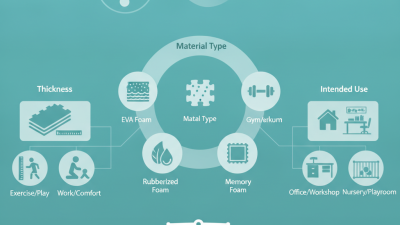
Top 5 Factors to Consider When Choosing Eva Foam Mats
Popular Applications of Eva Foam Mats in Various Industries
Eva foam mats find extensive applications across various industries due to their versatility and durability. In fitness studios, these mats provide cushioning and support during workouts. They help reduce impact, contributing to injury prevention. Many gyms utilize them for activities like yoga, martial arts, and weightlifting, where safety is crucial.
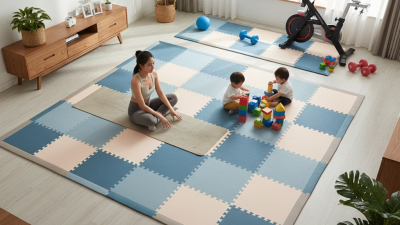
In the children’s play industry, Eva foam mats play a critical role. They create a soft, safe environment for toddlers and young children. Their vibrant colors and designs also stimulate creativity and play. However, parents should ensure the mats are non-toxic and free from harmful chemicals. The quality of the foam can vary, making research essential for informed purchases.
Industrial applications of Eva foam mats are also noteworthy. They are used as protective layering in workshops and factories. These mats can cushion machinery and reduce noise. While they are effective, some users report they can wear down over time, requiring regular assessment. Understanding their lifespan helps buyers make better decisions.
Tips for Sourcing Quality Eva Foam Mats from Suppliers
Sourcing quality EVA foam mats requires careful consideration. According to recent industry reports, the EVA foam market is expected to reach $10 billion by 2025. Quality is paramount for durability and safety. Look for suppliers with proven track records in manufacturing standards and materials.
Checking certifications is essential. Look for compliance with safety standards such as ASTM or EN. These certifications ensure the mats are non-toxic and safe for various applications, especially in children’s play areas. Suppliers should provide these documents readily.
Another crucial factor is the material composition. High-density EVA foam offers better resilience and impact absorption. Low-density options may seem economical but often compromise quality. Always request samples to assess the texture and firmness. While it’s tempting to go for the cheapest options, the long-term benefits of investing in reliable products should not be overlooked.
Sustainability and Safety Standards in Eva Foam Mats Production
Sustainability in Eva foam mats production is vital for responsible sourcing. Many manufacturers are now prioritizing eco-friendly materials. According to the International Association of Plastics Distribution, the global demand for sustainable foam is expected to grow by 12% annually. This reflects a shift towards products that benefit both consumers and the environment.
Safety standards in production are equally crucial. Eva foam mats must be free from harmful chemicals. Research indicates that over 60% of buyers consider safety certifications when making purchases. Meeting standards like ASTM and ISO ensures the mats do not emit toxic fumes. This is imperative, especially for children's use, where safety is paramount.
Despite the advancements, challenges remain. Not all manufacturers adhere to these standards. This inconsistency can lead to market confusion. Buyers need to conduct thorough research. Identifying reliable suppliers and understanding their production processes is essential. Only then can consumers ensure the mats they choose are both safe and sustainable.
Top 5 Eva Foam Mats Tips for Global Buyers - Sustainability and Safety Standards in Eva Foam Mats Production
| Tip Number |
Tip Description |
Sustainability Index |
Safety Standard Compliance |
| 1 |
Choose mats made from recycled or eco-friendly materials. |
High |
ISO 14001 |
| 2 |
Verify the absence of harmful chemicals like phthalates and heavy metals. |
Medium |
ASTM F963 |
| 3 |
Consider production processes that minimize energy usage. |
High |
ISO 50001 |
| 4 |
Select mats that have been tested for slip-resistance. |
Medium |
ASTM D2047 |
| 5 |
Look for mats that are easy to clean and maintain. |
High |
N/A |