20+ years of production experience
Leave Your Message

What Are the Top Gym Puzzle Mats for 2026?

Choosing a Gym Puzzle Mat for 2026 is about more than finding interlocking tiles that look sturdy. A mat must stay connected under movement, cushion floor exercises, and suit the equipment and surface beneath it. A loose seam or overly soft tile can change how a workout feels. Small details matter.

Industry reports offer useful context, though they do not rank individual mats. The Health & Fitness Association’s 2024 U.S. Health & Fitness Consumer Report recorded 72.9 million memberships in health clubs, studios, and other fitness facilities during 2023. ACSM’s 2025 Worldwide Fitness Trends survey also highlights strength training as a major fitness trend. These figures point to varied training needs, from dumbbell work to bodyweight circuits. They do not prove that one mat fits every gym. That distinction is easy to overlook.

This guide compares options by thickness, density, surface grip, connection strength, maintenance, and value. It will also consider how tiles feel under a bench, whether edges lift, and how easily sweat wipes away. No named flooring specialist’s exact quotation is included because no verifiable source was provided; inventing one would undermine trust. That gap deserves attention. A reliable buying decision needs traceable evidence, clear specifications, and realistic expectations—not just bold claims on a product page.
What Are the Top Gym Puzzle Mats for 2026?

What Gym Puzzle Mats Are and How They Differ

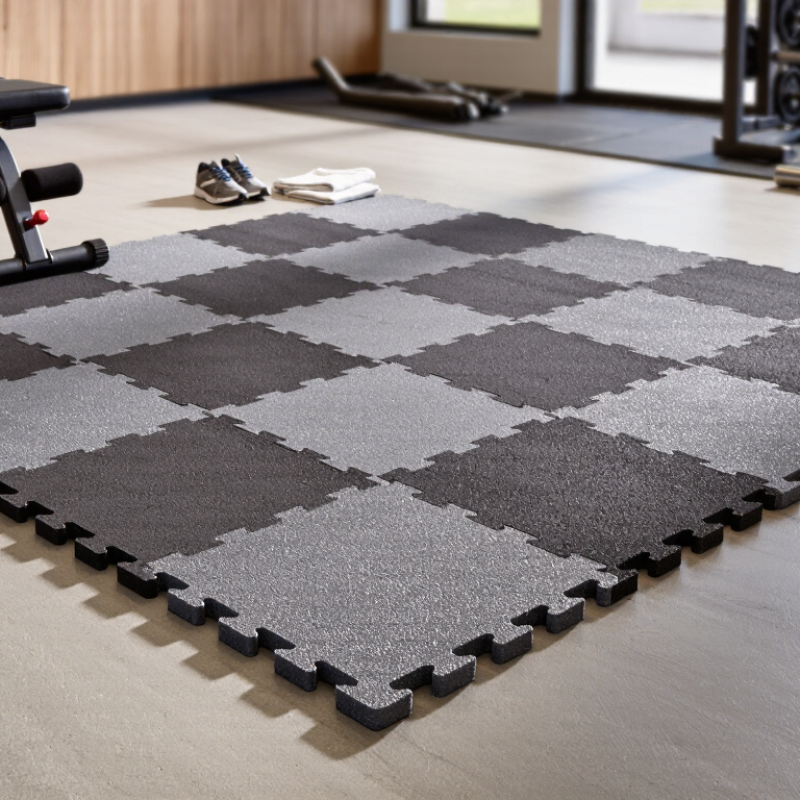
Gym puzzle mats are interlocking floor tiles, usually made from foam or rubber. Their teeth-like edges let users cover a workout area without installing one continuous floor. Foam tiles are light and cushioned, making them useful for bodyweight exercises and stretching. Dense rubber tiles are heavier and generally better suited to weights, though tile thickness alone does not show how well a floor handles impact.

The 2024 HFA Global Report counted 72.9 million U.S. health-club members in 2023. That figure signals heavy facility use, but it does not identify the right mat for every gym. ASTM F2772 assesses indoor sports flooring through measures such as force reduction and vertical deformation; it is not a universal comfort rating for puzzle tiles.

Small details matter. Loose seams can catch a shoe, while soft tiles may compress under rack feet. A softer feel is not always safer or more stable.

Tips: Match the tile to the activity, then check its density, surface grip, and edge fit. Put a loaded rack on a stable floor, not compressible foam. Measure the room before ordering; one awkward corner can leave narrow cuts and weak-looking seams.
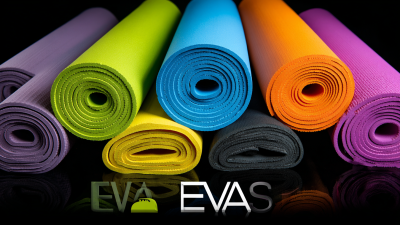
Materials, Thickness, and Surface Designs in 2026 Mats

Materials, Thickness, and Surface Designs in 2026 Mats

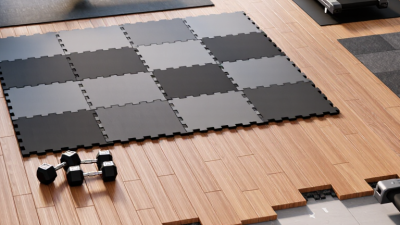
Material choice changes how a puzzle mat feels underfoot. EVA foam is light, easy to cut, and comfortable for floor exercises, but dense equipment can compress it. Rubber is heavier and often grips better; check its odor and surface feel before buying. The 2024 SFIA Topline Participation Report estimates that 242.1 million Americans took part in at least one sport or fitness activity in 2023. That scale makes home training relevant, but it does not mean every mat suits every workout.

Thickness is not the whole story. A 10–12 mm foam tile may cushion stretching and bodyweight sessions, while heavier lifting needs a denser surface that resists dents. For repeated drops, compare documented impact-test results; ASTM F355 describes methods for measuring impact attenuation, but it does not certify a tile by itself. Pebbled and diamond textures can improve footing, though deep grooves may collect dust. Seams matter, too. A loose edge can catch a toe.

Tips: Press a tile with your thumb, then check whether it springs back. Try a small sample with your shoes and equipment. A thicker mat can still feel unstable. I would rethink any purchase based on thickness alone.

What Are the Top Gym Puzzle Mats for 2026? — Materials, Thickness, and Surface Designs

This comparison covers common interlocking gym-mat constructions and general selection factors. Thickness and performance vary by product, density, and intended use; check the specifications for the exact mat before purchasing.

Mat Type Common Thickness Typical Surface Design Suitable Activities Practical Considerations
Standard EVA foam puzzle mat 10–20 mm (about 0.4–0.8 in) Textured, embossed, or reversible patterns Stretching, yoga, body-weight exercises, and light home workouts Lightweight and cushioned, but softer foam can dent under concentrated loads and may shift during vigorous movement.
High-density EVA foam puzzle mat 15–30 mm (about 0.6–1.2 in) Fine texture, pebbled finish, or molded grip pattern Floor exercises, children’s activity areas, and general-purpose home gym use Usually firmer than basic foam. Greater thickness adds cushioning but does not make the mat a substitute for a purpose-built lifting platform.
Interlocking rubber gym tile 6–20 mm (about 0.25–0.8 in) Coin, stud, fine-grain, or lightly textured finish Strength-training areas, weight rooms, and equipment zones Dense rubber is more resistant to compression than foam. Heavier tiles can be harder to reposition, and rubber may have a noticeable odor when new.
Foam mat with a vinyl or PVC wear layer 10–25 mm (about 0.4–1.0 in) Smooth, lightly embossed, or wipe-clean finish Low-impact workouts, multipurpose rooms, and areas where easy surface cleaning matters The wear layer can simplify cleaning, but surface grip and flexibility differ among constructions. Confirm that the finish suits the activity.
Rubber-faced foam puzzle mat 15–30 mm (about 0.6–1.2 in) Textured rubber top with a resilient foam core General fitness, floor exercises, and mixed-use home training spaces Combines a cushioned core with a more durable top surface. Check edge fit and surface traction, especially where tiles meet.
Thin, firm training tile 6–12 mm (about 0.25–0.5 in) Low-profile grain, coin pattern, or flat textured surface Equipment foundations, controlled movement, and spaces with limited floor-height clearance Creates less cushioning and a lower step at the edges. It may be a better fit beneath stable equipment than for prolonged kneeling or floor work.
Selection tip: Match the material and thickness to the activity, floor surface, and equipment load. A thicker mat is not automatically more stable; dense materials and a well-fitting, flat installation also matter.

How to Compare Grip, Impact Absorption, and Durability

Choosing a gym puzzle mat starts with the floor beneath it. Smooth concrete, sealed wood, and carpet can affect grip differently. Check whether the underside stays put during lunges, pivots, and quick footwork. A mat that shifts a few centimeters can disrupt balance. Test it with clean, dry shoes and bare feet if both are part of your routine. Small detail. Big difference.

Impact absorption is not the same as softness. A very cushioned tile may feel pleasant during floor exercises but wobble under a squat stance. Compare thickness and firmness together, then try a controlled jump or kneeling movement. For heavier equipment, confirm the flooring is rated for that load; puzzle mats are not automatically suitable for dropped weights. Product descriptions can make cushioning sound universal. It isn’t.

Durability shows up at the seams and corners. Fit several tiles together, then press and pull at the joints. Edges that lift easily may collect dust or separate during repeated workouts. Look for clear care instructions, and check whether sweat wipes away without leaving a slick film. A faint odor may fade, but ventilation time varies. That part is easy to overlook. If possible, inspect a sample after a few days of use; one quick showroom test cannot reveal how the surface will age.

Top Gym Puzzle Mat Types for Different Training Needs

Top Gym Puzzle Mat Types for Different Training Needs

Gym puzzle mats work best when their density and surface match the workout. For stretching, yoga, and bodyweight circuits, lightweight EVA foam tiles provide cushioning and quick installation. They suit bare feet and knees, though soft tiles can compress under benches or heavy dumbbells. For strength training, choose denser rubber or high-density foam tiles with tight-fitting edges. They offer a firmer base, but seams still need regular checks. Textured, moisture-resistant surfaces can help with sweaty sessions; very aggressive tread may feel uncomfortable during floor work.

The ACSM’s 2025 Worldwide Fitness Trends survey ranked traditional strength training fifth among its predicted trends. That ranking supports planning for both lifting and general exercise, rather than choosing mats by thickness alone. For jumping drills, look for stable tiles that stay connected under lateral movement. For mobility work, prioritize comfort and easy cleaning. A small test area helps: place a loaded dumbbell on a sample tile, then inspect compression and separation. I would not assume “thicker” always means safer.

Tips: Measure the room and check the floor underneath before buying. Keep puzzle edges away from doorways, and wipe moisture from seams after training. If tiles shift during lunges, pause and refit them; that small annoyance matters.

Top Gym Puzzle Mat Types for Different Training Needs

Thicknesses shown are common nominal options converted from inches to millimeters. Thinner tiles suit general floor exercise, while thicker foam tiles are often chosen for higher-impact movement or grappling. These are typical use cases, not performance ratings; check the mat’s material and intended use before buying.

How to Install, Clean, and Maintain Gym Puzzle Mats

What Are the Top Gym Puzzle Mats for 2026?

A stable installation starts with a clean, dry, level floor. Let the tiles adjust to room temperature, then connect them without forcing the edges. Work outward from a straight reference line. Check each seam with your palm; raised corners can catch shoes or shift during exercise. Follow the tile maker’s guidance on perimeter spacing, since some materials expand slightly. A rushed corner cut is easy to regret.

For routine cleaning, sweep grit away before wiping the surface. Dust and small stones can wear down the finish under repeated foot traffic. Use a damp cloth with mild soap, then remove any residue with clean water. Avoid soaking the seams, and let both the mats and floor dry fully before putting equipment back. Once in a while, lift a few tiles and check underneath for trapped moisture, odors, or debris. It is easy to forget the underside.

Tips: Test any cleaner on a hidden tile first. Refit loose edges promptly, and replace tiles that stay curled or cracked. Keep a simple cleaning schedule, but adjust it to sweat, dust, and room humidity. A weekly check may be enough for a lightly used home gym.