Choosing a Large Foam Mat is not just about finding the biggest rectangle in the room. The right choice depends on who will use it, what they will do, and how much floor space is available. A mat for floor exercises needs different support from one used for children’s play or stretching. Thickness, density, surface grip, and edge design all affect how it feels under hands, knees, and bare feet. Small details matter. A slippery cover or a mat that shifts on hardwood can quickly become frustrating.
Reliable guidance can help put the choice in context. The World Health Organization’s 2020 Guidelines on Physical Activity and Sedentary Behaviour recommend that adults complete 150–300 minutes of moderate-intensity activity each week. The guidance does not prescribe a particular mat, but it highlights how often a home exercise surface may be used. For children, the WHO recommends an average of at least 60 minutes of moderate-to-vigorous activity per day across the week. That is a lot of movement—and a useful reason to consider durability and easy cleaning. Still, activity guidance cannot tell you whether a particular foam will feel comfortable on your floor. You need to check the product’s dimensions, materials, care instructions, and intended use. This guide shares ten practical tips for comparing those details. The best choice is not always the thickest or most expensive. Measure the room first. Then consider the people using it, the exercises planned, and the space available for storage.
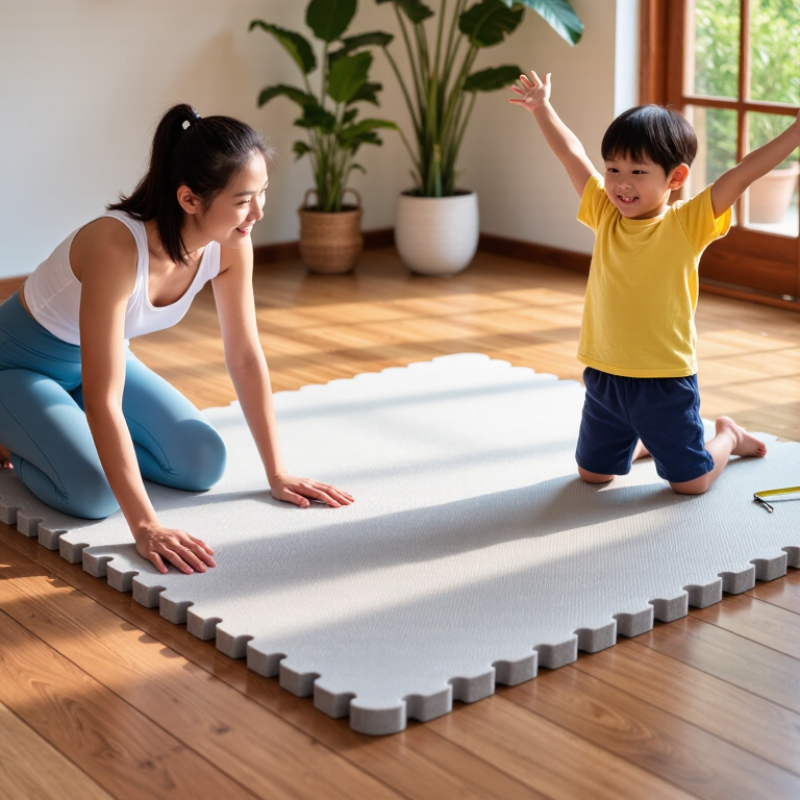
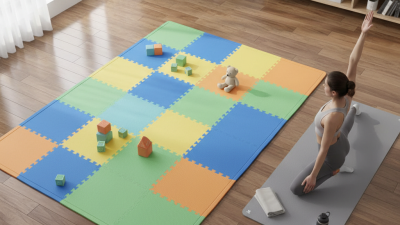
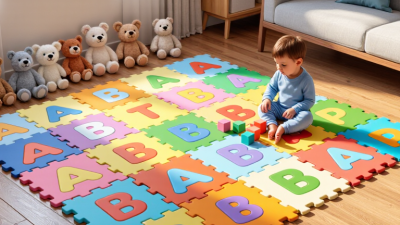
Start with the mat’s main job. A surface for toddler play needs room for crawling and soft landings; one for stretching may need less floor area but enough length for a full-body reach. For tumbling or exercise, consider who will use it, how often, and whether shoes or equipment will press into the foam. A mat that feels roomy in a product photo can seem cramped during a real movement.
Measure the usable floor, not just the empty-looking center. Include space around the mat for stepping off safely, opening doors, and moving nearby chairs. Check ceiling height if users will jump or practice lifts. A quick outline made with painter’s tape can reveal awkward corners before you buy. It is easy to forget storage, too. Where will the mat go when guests arrive? That part is often overlooked.
Tip: Measure twice, then test the taped outline. Leave a clear buffer around active areas. If the space is shared, choose a size you can fold or store without blocking a walkway. I once underestimated how much room a simple roll-out mat would take. The measurements were right; the layout still felt wrong. Walk through the intended activity before settling on dimensions.
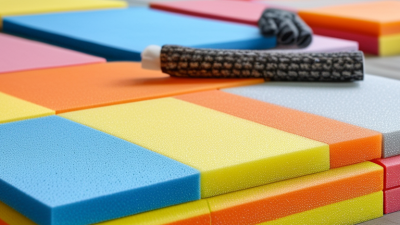
Begin with the usable floor area, not the mat’s advertised dimensions. Measure around furniture, doorways, and walking paths, then mark the planned footprint with painter’s tape. Measure twice. A 6-by-8-foot mat may look generous online but crowd a small room. Check whether pieces connect securely, and leave enough space to step around the edges. Gaps can catch toes, while a mat that shifts during movement can become frustrating.
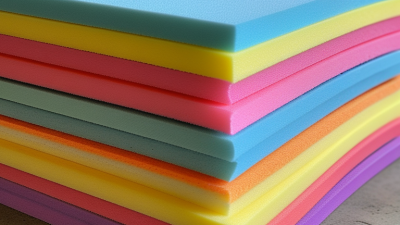
Thickness and density affect comfort in different ways. Thickness describes the mat’s depth; density describes how much foam is packed into that space. A thicker mat is not automatically more supportive. For gentle stretching or floor play, a thinner, firmer surface may feel steadier. For kneeling or longer sessions on hard flooring, extra thickness can cushion pressure points. Feel matters. If possible, press the foam and notice whether it springs back or stays compressed. Compare density figures only when they use the same units, and ask for specifications if they are missing. One trade-off is easy to overlook: very soft foam can feel pleasant at first, yet make balance exercises less stable. There is no perfect choice; match the mat to the activity and the people using it.
| # | Tip | What to Compare | Practical Guidance | Example Specification |
|---|---|---|---|---|
| 1 | Measure the usable area | Mat length and width | Measure the open floor space, then allow room around the mat for access and movement. | A 6 × 10 ft mat covers 60 sq ft (about 5.6 m²). |
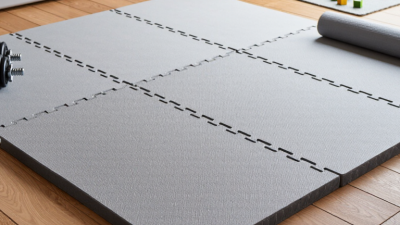
| 2 | Check the largest piece size | One-piece versus sectional construction | A single large mat has fewer seams; connected sections are easier to carry and store. | Four 3 × 5 ft sections can form a 6 × 10 ft layout. |
| 3 | Match thickness to the activity | Foam thickness | Thicker foam generally provides more cushioning, but may feel less stable for standing or balance work. | About 1 in for floor exercise; 2–4 in for activities needing more cushioning. Follow activity-specific safety guidance. |
| 4 | Compare foam density | Density in kg/m³ or lb/ft³ | Density describes foam mass per volume. It can help indicate durability, but does not by itself determine firmness or impact protection. | Ask for the stated density and test results; compare products made for the same intended use. |
| 5 | Ask about firmness and recovery | Indentation firmness and resilience | A mat should compress appropriately and recover after use. Firmness is best compared using the manufacturer’s test method or a hands-on sample. | Request firmness data, such as an IFD/ILD value, when available, and confirm the test method. |
| 6 | Check the foam type | Material and construction | Polyethylene, polyurethane, and other foams have different cushioning, flexibility, and durability characteristics. | Confirm the foam type, whether it is open- or closed-cell, and that it suits the intended setting. |
| 7 | Inspect the cover | Grip, cleanability, and seam strength | A wipeable cover is useful for frequent cleaning; a non-slip surface can help the mat stay in place on a suitable floor. | Look for reinforced seams, care instructions, and a surface appropriate for the activity. |
| 8 | Estimate weight and portability | Total mat weight and carrying features | Larger and thicker mats are typically harder to move. Check whether the mat folds, rolls, or separates into sections. | Compare the listed weight with available storage space and the number of people needed to move it. |
| 9 | Confirm floor and room compatibility | Surface grip, door clearance, and storage | Check that the mat lies flat, does not block doors, and fits the planned storage area when folded or rolled. | Measure both the usable floor area and the mat’s packed dimensions before ordering. |
| 10 | Review safety and care details | Intended use, cleaning, and applicable documentation | Use a mat only for its stated purpose. For sports or child-use settings, check relevant safety requirements and cleaning instructions. | Verify the product’s stated use, care method, and any documentation required for your setting. |
Start with the mat’s core, not its color or advertised thickness. High-density foam often resists flattening under crawling children or exercise equipment. Still, density alone does not tell the whole story. A very firm surface may feel uncomfortable during floor play, while soft foam can bottom out under a knee. Press the mat with your palm, then release it. The dent should recover without lingering. Check the cover, too. A sealed, wipe-clean surface is easier to maintain, but a slick finish can make socks less secure. Small detail, big difference.
For safety, inspect seams, edges, and closures for gaps or loose parts. Ask for clear information about foam composition and relevant safety testing; vague claims are hard to evaluate. A strong odor that persists after airing may deserve a question to the seller. Look closely. For durability, check whether stitching pulls when you tug gently, and whether folded sections lie flat again. Measure your floor before buying; a mat that bunches against furniture can become a trip hazard. It is easy to overvalue thickness and overlook storage, cleaning, or how the surface feels after ten minutes on your knees. Test those details if possible.
Thickness options are shown in millimeters, with exact inch equivalents in the labels (1 inch = 25.4 millimeters). A thicker mat is not automatically safer: consider the activity, foam material, surface grip, seams, and the manufacturer’s safety information before choosing.
A large foam mat should stay put when you step, stretch, or turn. Check the underside on your actual floor; dust and smooth tile can weaken grip. Press a corner and try to slide it. If it shifts easily, it may creep during exercise or play. Edge lift matters, too. CDC’s Facts About Falls reports that more than one in four adults aged 65 and older falls each year. That statistic is not specific to mats, but it is a useful reminder to treat slipping and raised edges seriously. Small details matter.
Comfort is not just thickness. Kneel on the mat for a minute, then stand; notice pressure at your knees and whether the foam quickly springs back. ASTM International’s F1292 standard evaluates impact attenuation for playground surfacing, so it can help identify products tested for impact performance. It does not guarantee comfort or suitability for every use. For cleaning, inspect the seams and surface texture: deep grooves can hold crumbs and moisture. Choose a finish you can wipe with mild soap and water, and follow the care instructions. I would not assume “water-resistant” means easy to clean; that wording can be vague. Do a small wipe test first.
Tip 1: Measure the storage route, not just the mat. A large mat may fit the room but block a closet door when folded. Check its packed thickness, fold pattern, and clearance beside shelves. Measure twice. Ask for folded dimensions rather than guessing from product photos.
Tip 2: Treat portability as a regular cost. The Health & Fitness Association’s 2024 Global Report counted 72.9 million U.S. fitness-facility members in 2023. It does not track mat purchases, but regular trips make weight and carrying features worth checking. Look for the listed weight, secure handholds, and a manageable shape. A rolling mat can still be awkward through a narrow doorway.
Tip 3: Compare value over expected years, not price alone. Check the foam type, thickness, cleaning instructions, and warranty terms. Match cushioning to the activity; thicker does not automatically mean safer or more stable. Cost per expected year can help compare options, though this estimate is imperfect because use and wear vary. Check what the warranty excludes, too.